Taiwan's Lai Expresses Commitment to Continued Arm Purchases in Meeting with Trump
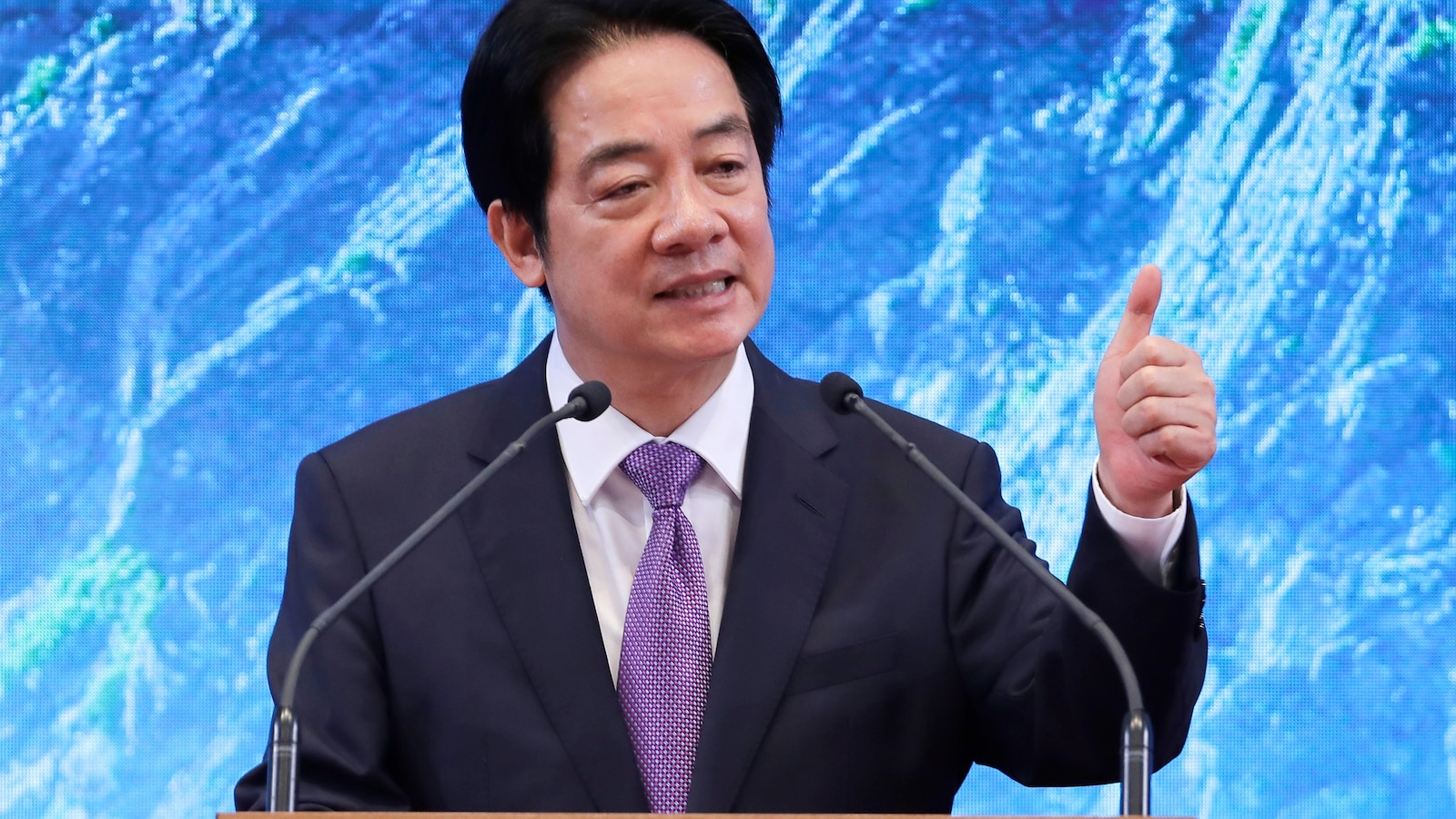
Taiwan's Vice President Lai Ching-te emphasizes the importance of ongoing defense collaboration with the United States during a recent meeting with former President Donald Trump. Lai's statements come amid rising tensions in the Taiwan Strait and highlight Taiwan's strategic defense initiatives.
Taiwan's Vice President Lai Ching-te Meets with Donald Trump
In a significant diplomatic engagement, Taiwan's Vice President Lai Ching-te met with former U.S. President Donald Trump, where he reiterated Taiwan's commitment to maintaining and enhancing its defense capabilities through continued arm purchases from the United States. This meeting, held in the United States, underscores the ongoing collaboration between Taiwan and the U.S. in the face of escalating tensions in the Taiwan Strait.
Strengthening Defense Ties
Lai's remarks come at a critical time as Taiwan navigates increasing military pressure from Mainland China, which views the self-governing island as a breakaway province. In his discussions with Trump, Lai expressed his hope that the U.S. would continue to support Taiwan's defense needs, particularly through arms sales that are crucial for enhancing Taiwan's military capabilities.
Context of Rising Tensions
The backdrop of Lai's statements is marked by heightened military activity in the region. China has ramped up its military drills around Taiwan, which has raised alarms not only in Taipei but also in Washington. The U.S. has historically been a key ally of Taiwan, providing military support and arms sales under the Taiwan Relations Act, which has been a cornerstone of U.S.-Taiwan relations since the late 1970s.
Implications for U.S.-Taiwan Relations
Lai's meeting with Trump is significant as it reflects Taiwan's ongoing efforts to secure its sovereignty and defense posture. The former president, while no longer in office, remains a prominent figure in American politics and has a substantial influence on U.S. foreign policy discussions. Lai's hope for continued arm purchases aligns with the broader strategy of strengthening Taiwan's defense capabilities amid a shifting geopolitical landscape.
Future Defense Collaborations
During the meeting, Lai also discussed potential future collaborations between Taiwan and the U.S. in defense technology and military training. He emphasized the importance of not only acquiring arms but also enhancing Taiwan's self-defense capabilities through advanced technology and strategic partnerships.
Public Support for Defense Initiatives
The Taiwanese public largely supports increased defense spending and collaboration with the U.S. Many citizens view the strengthening of military capabilities as essential for deterring potential aggression from China. Recent polls indicate that a significant majority of the population favors maintaining close ties with the U.S. and increasing military preparedness.
Conclusion
Lai's meeting with Trump marks a pivotal moment in Taiwan's ongoing efforts to secure its defense and sovereignty. As tensions in the Taiwan Strait continue to rise, Taiwan's commitment to enhancing its military capabilities through U.S. support is likely to remain a focal point in both domestic and international discussions. The implications of this meeting may resonate well beyond the immediate context, influencing future U.S.-Taiwan relations and the broader security dynamics in the Asia-Pacific region.