Taiwan's Historical Journey: A Contested Island's Evolution
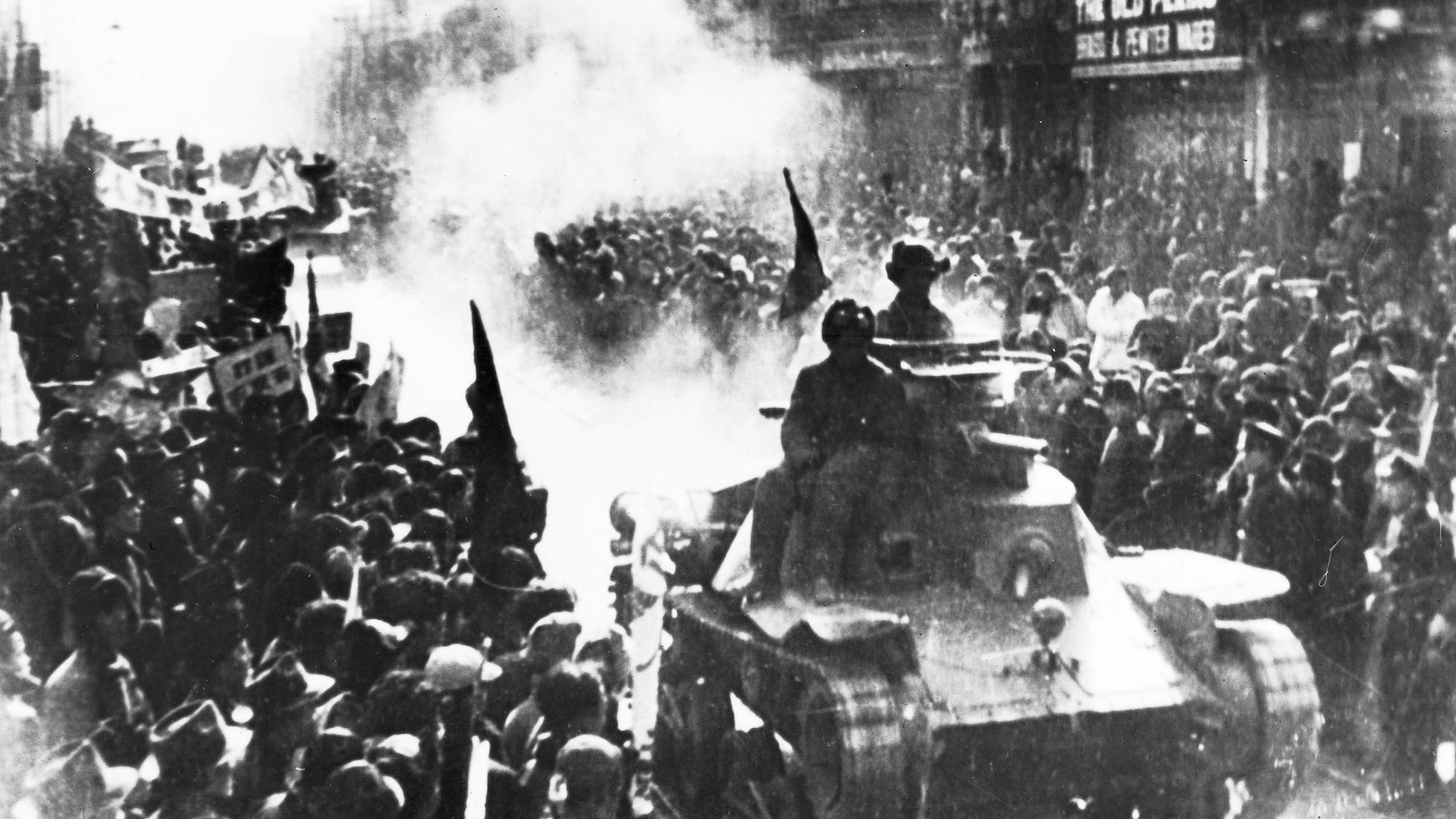
Taiwan's history is marked by a series of significant events that have shaped its identity and political landscape. This report delves into the key milestones in Taiwan's evolution, highlighting its complex relationship with China and the international community.
Introduction
Taiwan, a small island nation located off the southeastern coast of China, has a rich and complex history that reflects its contested status. Over the centuries, Taiwan has experienced various phases of colonization, governance, and identity formation, which have significantly influenced its current political and social landscape. This report outlines the key dates in Taiwan's history, providing insight into how the island has evolved into a vibrant democracy.
Early History and Colonization
The earliest known inhabitants of Taiwan were indigenous peoples, who have lived on the island for thousands of years. The island's strategic location attracted various foreign powers, beginning with the arrival of the Dutch and Spanish in the 17th century. The Dutch established a colony in 1624, while the Spanish occupied the northern region from 1626 until 1642. This period marked the beginning of significant external influence on Taiwan.
Qing Dynasty and Japanese Rule
In 1683, Taiwan was incorporated into the Qing Dynasty, which ruled the island for over two centuries. The Qing administration encouraged Han Chinese immigration, leading to demographic changes that would shape Taiwan's cultural identity. However, following the First Sino-Japanese War in 1895, Taiwan was ceded to Japan, marking the beginning of a 50-year period of Japanese colonial rule. During this time, the Japanese implemented significant infrastructure and educational reforms, which modernized the island but also suppressed local culture.
Post-World War II Transition
After Japan's defeat in World War II, Taiwan was placed under the administration of the Republic of China (ROC). In 1949, following a civil war in mainland China, the ROC government retreated to Taiwan, leading to a significant shift in the island's political landscape. The arrival of the Kuomintang (KMT) government resulted in martial law and the suppression of dissent, a period known as the White Terror, which lasted until 1987.
Democratization and Identity
The late 20th century saw Taiwan undergo a remarkable transformation from an authoritarian regime to a vibrant democracy. The lifting of martial law in 1987 paved the way for political reforms, including the legalization of opposition parties. The first direct presidential election in 1996 marked a significant milestone in Taiwan's democratic journey, allowing citizens to choose their leaders freely.
Cross-Strait Relations
Throughout its history, Taiwan's relationship with mainland China has been fraught with tension. The Chinese Communist Party views Taiwan as a breakaway province, while many in Taiwan see themselves as a distinct nation with their own identity. The rise of pro-independence sentiments in Taiwan has further complicated cross-strait relations. Recent years have seen increased military posturing from China, heightening concerns about potential conflict.
International Recognition and Challenges
Despite its vibrant democracy and robust economy, Taiwan faces significant challenges on the international stage. The island is not a member of the United Nations and is often excluded from international organizations due to pressure from China. However, Taiwan has sought to strengthen its global presence through informal diplomatic relationships and participation in international forums.
Conclusion
As Taiwan continues to navigate its complex historical legacy, the island's future remains uncertain. The interplay between its democratic values, cultural identity, and geopolitical realities will shape Taiwan's trajectory in the years to come. Understanding Taiwan's history is crucial for grasping the nuances of its current situation and the challenges it faces as a contested island in a rapidly changing world.