Taiwan's Historical Evolution: A Journey Through Time
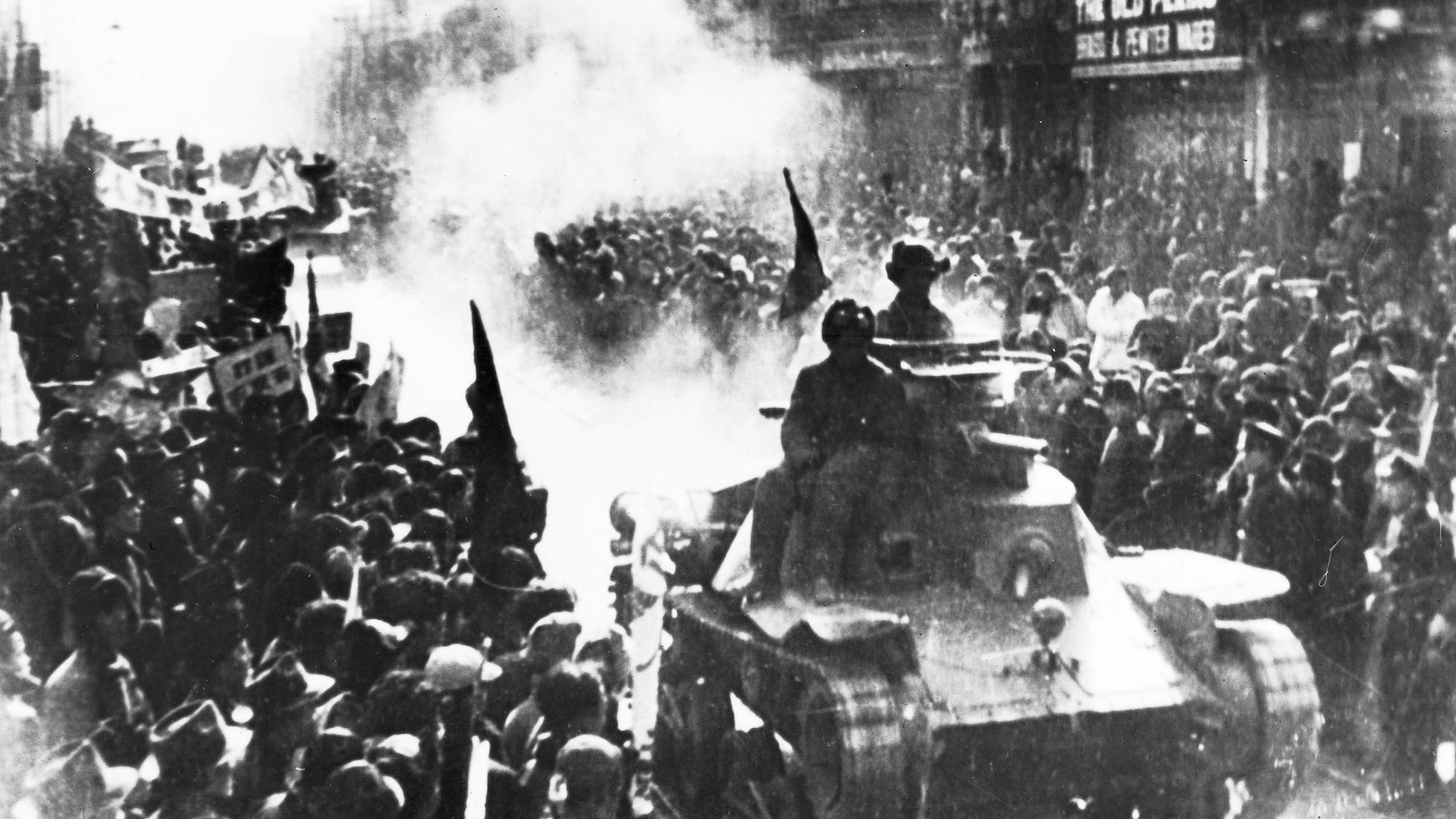
Taiwan's complex history reflects its contested status and evolving identity over centuries. This report delves into key events that have shaped Taiwan's political landscape and its relationship with China and the international community.
Introduction
Taiwan, a small island nation located off the southeastern coast of China, has a rich and tumultuous history that has significantly influenced its current political and social landscape. From indigenous tribes to colonial rule, and now a vibrant democracy, Taiwan's journey is marked by key events that have defined its identity and its ongoing struggle for recognition on the global stage.
Early History and Indigenous Peoples
The history of Taiwan dates back thousands of years, with the island originally inhabited by indigenous peoples who developed distinct cultures and languages. These tribes, including the Amis, Atayal, and Paiwan, lived in relative isolation until the arrival of foreign powers in the 17th century.
Colonial Rule and the Arrival of the Dutch and Spanish
In the early 1600s, the Dutch and Spanish established settlements in Taiwan, marking the beginning of external influence on the island. The Dutch ruled the southwestern part of Taiwan from 1624 to 1662, introducing agricultural practices and trade. Meanwhile, the Spanish occupied the northern region from 1626 to 1642, primarily for missionary work. This period laid the groundwork for the island's integration into global trade networks.
The Ming Loyalists and Qing Dynasty
In 1662, the Ming loyalist Koxinga expelled the Dutch and established a short-lived kingdom. However, by 1683, the Qing Dynasty annexed Taiwan, incorporating it into its empire. Under Qing rule, Han Chinese migration surged, leading to significant demographic changes and cultural blending. This era lasted until the late 19th century, when Taiwan was ceded to Japan after the First Sino-Japanese War in 1895.
Japanese Colonial Era
The Japanese colonial period (1895-1945) brought industrialization and infrastructure development to Taiwan. The Japanese implemented strict governance but also modernized the island's economy and education system. Despite the harshness of colonial rule, many Taiwanese people experienced significant advancements in public health and education during this time.
Post-World War II and the Kuomintang Rule
After Japan's defeat in World War II, Taiwan was placed under the control of the Republic of China (ROC). In 1949, following the Chinese Civil War, the Kuomintang (KMT) retreated to Taiwan, establishing an authoritarian regime. The KMT's rule was characterized by martial law and political repression, particularly during the White Terror period from 1947 to 1987, when thousands of Taiwanese were imprisoned or executed for opposing the government.
Democratization and Modern Identity
In the late 1980s, Taiwan began a process of democratization, culminating in its first direct presidential election in 1996. This transition marked a significant shift in Taiwan's political landscape, allowing for greater political pluralism and the emergence of a distinct Taiwanese identity separate from China. Today, Taiwan is recognized for its vibrant democracy, technological advancements, and cultural richness.
Cross-Strait Relations and International Standing
Despite its democratic achievements, Taiwan's status remains contentious. The People's Republic of China (PRC) views Taiwan as a breakaway province and has not ruled out the use of force to achieve reunification. In recent years, tensions have escalated, with increased military maneuvers by China and a growing international focus on Taiwan's strategic importance. The island has garnered support from several countries, particularly the United States, which has pledged to assist Taiwan in maintaining its self-defense capabilities.
Conclusion
As Taiwan navigates its complex historical legacy and contemporary challenges, its future remains uncertain. The island's unique identity, shaped by centuries of foreign influence and internal struggles, continues to evolve in the face of external pressures and the aspirations of its people for self-determination and international recognition.