Taiwan Indicts Former TSMC Manager for Allegedly Stealing Semiconductor Secrets for China
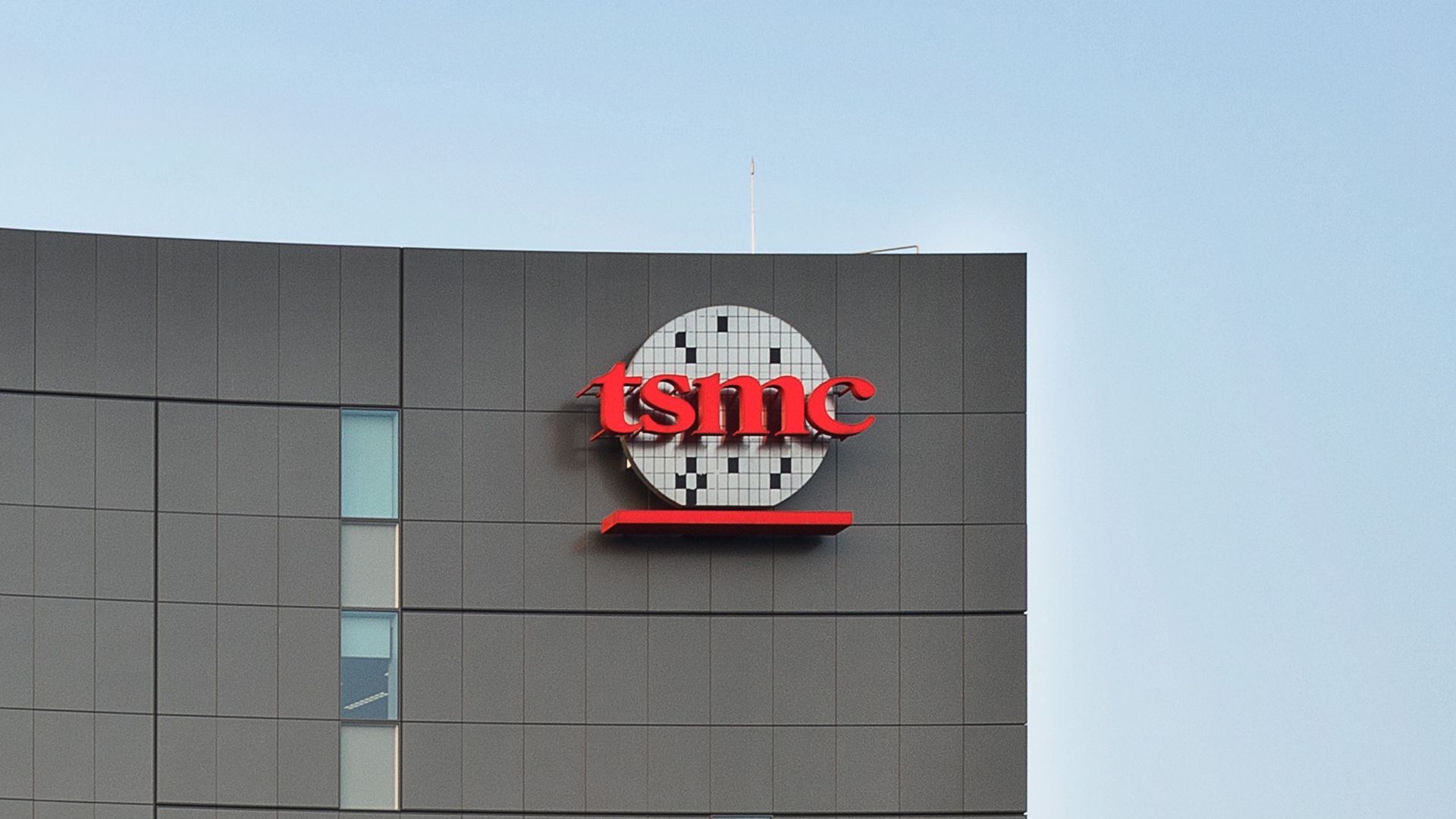
Taiwan has indicted a former manager of Taiwan Semiconductor Manufacturing Company (TSMC) for allegedly stealing trade secrets related to semiconductor technology. This case marks a significant escalation in Taiwan's efforts to protect its critical technology from foreign espionage.
Overview of the Case
In a groundbreaking legal move, Taiwan has indicted a former manager of the Taiwan Semiconductor Manufacturing Company (TSMC) on charges of stealing trade secrets intended for a Chinese semiconductor materials analysis company. This case is notable as it represents the first instance in which Taiwanese authorities have linked corporate managers directly to espionage activities directed towards China, a country that has been increasingly aggressive in its pursuit of advanced semiconductor technology.
Details of the Indictment
The indictment, which was made public by Taiwan's Ministry of Justice, accuses the former TSMC manager of misappropriating sensitive information that could significantly bolster China's semiconductor capabilities. The individual, whose identity has not been disclosed, is alleged to have transferred proprietary data and technical documentation to a Chinese firm while still employed at TSMC, one of the world's leading semiconductor manufacturers.
Significance of the Semiconductor Industry
The semiconductor industry is critical not only to Taiwan's economy but also to global technology supply chains. Taiwan, particularly through TSMC, plays a pivotal role in producing chips that power everything from smartphones to advanced military systems. As tensions between Taiwan and China continue to rise, safeguarding these technological assets has become a national priority for the Taiwanese government.
Escalating Tensions Between Taiwan and China
This indictment comes amid heightened concerns over China's ambitions to dominate the semiconductor sector. Over the past several years, China has made significant investments in its domestic semiconductor industry, aiming to reduce its reliance on foreign technology. The Taiwanese government views the protection of its semiconductor secrets as essential to its national security and economic stability.
Impact on Taiwan's Legal Framework
The case is expected to have far-reaching implications for Taiwan's legal framework concerning industrial espionage. Legal experts suggest that this indictment may pave the way for stricter laws and regulations aimed at preventing the theft of trade secrets. The Taiwanese government has been under pressure to strengthen its intellectual property laws, especially in light of increasing reports of espionage targeting its tech firms.
Reactions from TSMC and the Tech Community
TSMC has publicly stated its commitment to protecting its intellectual property and has cooperated fully with the investigation. The company emphasized the importance of maintaining trust and integrity in its operations, especially given its critical role in the global semiconductor supply chain. Industry analysts believe that this case could serve as a wake-up call for other tech firms in Taiwan, prompting them to reevaluate their security protocols and employee monitoring systems.
Looking Ahead
As the legal proceedings unfold, the case will likely attract significant attention from both domestic and international observers. It raises important questions about the balance between corporate confidentiality and national security, particularly in an era where technology is increasingly intertwined with geopolitical tensions. Taiwan's response to this incident will be closely watched, as it may set a precedent for how the island nation handles similar cases in the future.
Conclusion
The indictment of a former TSMC manager for allegedly stealing semiconductor secrets for China underscores the ongoing battle over technology and intellectual property in the region. As Taiwan fortifies its defenses against espionage, the implications of this case will resonate beyond its borders, affecting global perceptions of security in the semiconductor industry.