Taiwan Enhances Maritime Patrol Capacity in the South China Sea
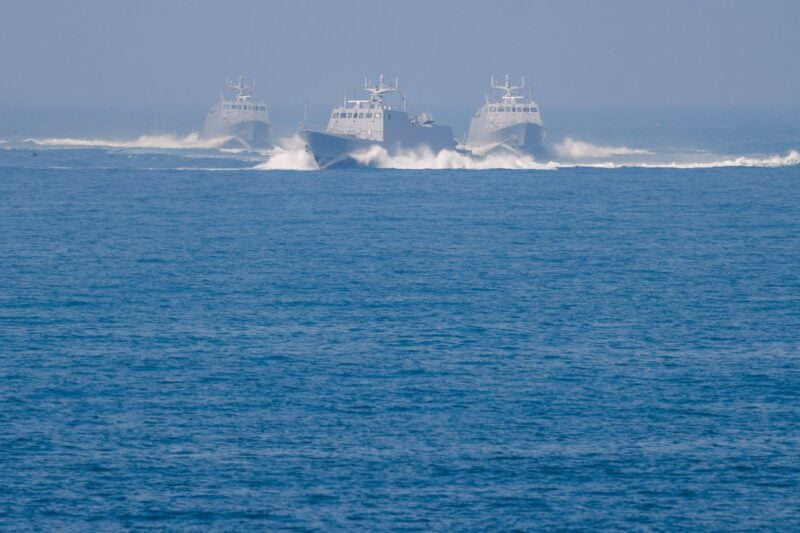
Taiwan has announced significant upgrades to its maritime patrol capabilities to bolster defense in the vulnerable South China Sea region. This move comes amid rising tensions and territorial disputes in the area, particularly with China.
Introduction
In a strategic move to enhance its maritime defense capabilities, Taiwan has unveiled plans to upgrade its patrol capacity in the South China Sea. This initiative is particularly focused on the protection of its outposts in the region, which have become increasingly vulnerable amid escalating tensions with China.
Background
The South China Sea is a critical maritime route, rich in resources and strategically significant for international trade. Over the years, it has been a flashpoint for territorial disputes, particularly between China and several Southeast Asian nations, including Vietnam and the Philippines. Taiwan, which claims sovereignty over parts of the South China Sea, has found itself in a precarious position as China's assertiveness in the region grows.
Details of the Upgrade
The Taiwanese government has announced a comprehensive upgrade plan for its maritime patrol fleet, which includes the acquisition of advanced surveillance technology and the enhancement of existing vessels. This upgrade is aimed at improving Taiwan's ability to monitor and respond to potential threats in the region effectively.
According to officials, the enhancements will include the deployment of drones and advanced radar systems, which will provide real-time intelligence and improve situational awareness. Additionally, the plan involves increasing the frequency of patrol missions around Taiwan's outposts in the Spratly Islands, which are often challenged by Chinese vessels.
Political Context
This development comes at a time of heightened military activity in the South China Sea, with China conducting extensive naval exercises and asserting its claims over disputed territories. Taiwan's decision to bolster its maritime capabilities is seen as a necessary response to ensure its sovereignty and security in the face of potential aggression.
Moreover, Taiwan's government has emphasized its commitment to maintaining peace and stability in the region. The upgrades are not only a defensive measure but also a statement of Taiwan's determination to uphold its territorial claims against external pressures.
International Reactions
The international community has been closely monitoring the situation in the South China Sea, with various countries expressing support for Taiwan's right to defend its territory. The United States, in particular, has reiterated its commitment to Taiwan's security and has called for a peaceful resolution to the disputes in the region.
Analysts suggest that Taiwan's enhanced maritime patrol capacity could serve as a deterrent against potential provocations from China. However, it also raises concerns about the possibility of increased tensions and confrontations in an already volatile area.
Conclusion
As Taiwan moves forward with its plans to upgrade its maritime patrol capabilities, the implications for regional security and stability remain significant. The balance of power in the South China Sea is delicate, and Taiwan's actions may influence the strategic calculations of both China and other nations with vested interests in the region.
In conclusion, Taiwan's commitment to strengthening its maritime defense underscores the complexities of the geopolitical landscape in the South China Sea, where national interests, territorial claims, and international relations intersect.