Taiwan Court Sentences Former Employee of Tokyo Electron to 10 Years for TSMC Trade Secrets Theft
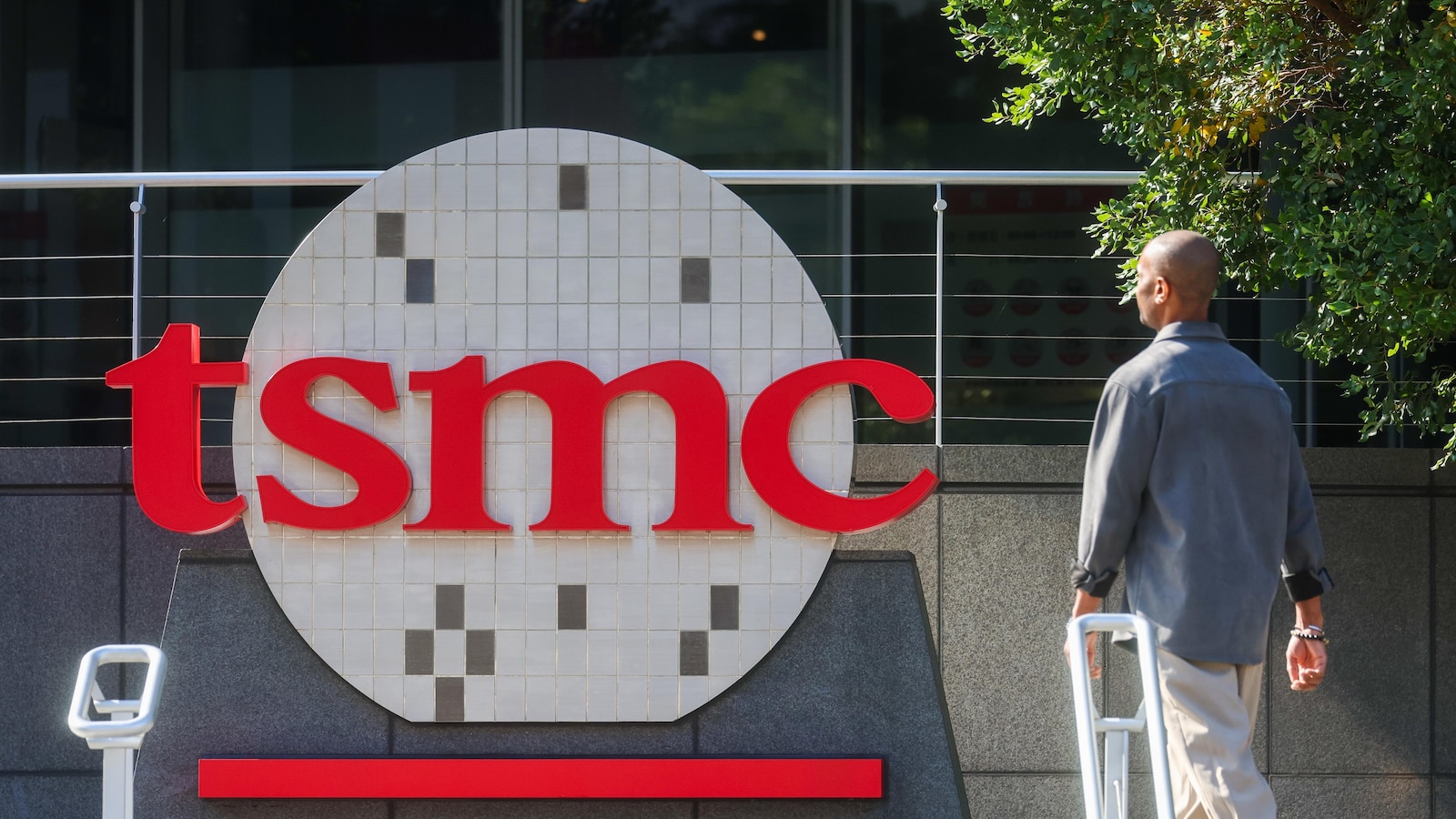
A Taiwanese court has sentenced a former employee of Tokyo Electron to ten years in prison for stealing trade secrets from Taiwan Semiconductor Manufacturing Company (TSMC). This case highlights ongoing concerns over intellectual property theft in the semiconductor industry.
Background of the Case
In a significant ruling that underscores the ongoing battle against intellectual property theft in the semiconductor sector, a Taiwanese court has sentenced a former employee of Tokyo Electron, a prominent Japanese semiconductor equipment manufacturer, to ten years in prison. The individual was found guilty of stealing trade secrets from Taiwan Semiconductor Manufacturing Company (TSMC), the world's largest contract chipmaker. This case has drawn attention not only for its implications for TSMC but also for the broader semiconductor industry, which is critical to global technology supply chains.
The Theft of Trade Secrets
The court's decision revealed that the ex-employee, who worked as an engineer at Tokyo Electron, had illicitly downloaded sensitive documents related to TSMC’s manufacturing processes and technologies. These documents are considered vital to TSMC's competitive edge in the semiconductor market. The engineer's actions were described as premeditated, with evidence showing that he had intended to use the stolen information to benefit a rival company in China.
Legal Proceedings and Sentencing
The legal proceedings began after TSMC reported the theft to Taiwanese authorities, prompting an investigation that uncovered the extent of the breach. The court found that the former employee had violated Taiwan's Trade Secrets Act, which protects proprietary information from unauthorized use and dissemination. In addition to the ten-year prison sentence, the court also imposed a fine on the individual, sending a strong message about the seriousness of trade secret theft.
Implications for the Semiconductor Industry
This case is particularly significant given the current geopolitical landscape, where tensions between the United States and China have heightened concerns over technology transfer and intellectual property rights. TSMC, as a key player in the semiconductor industry, has been at the forefront of these issues, facing increasing pressure to safeguard its technologies from espionage and theft.
Response from TSMC and Tokyo Electron
In response to the verdict, TSMC expressed satisfaction with the court's ruling, emphasizing its commitment to protecting its intellectual property. The company stated that it will continue to take all necessary measures to ensure the security of its proprietary information. Tokyo Electron also acknowledged the ruling, reiterating its dedication to upholding ethical practices and compliance with laws governing trade secrets.
Broader Context of Trade Secret Theft
The sentencing in this case is part of a larger trend in which companies in the semiconductor industry are increasingly vigilant against trade secret theft. As the demand for advanced semiconductor technologies grows, so does the risk of espionage. Reports of similar incidents have emerged globally, highlighting the need for robust legal frameworks and international cooperation to combat intellectual property theft.
Conclusion
The ten-year sentence handed down to the former Tokyo Electron employee serves as a reminder of the importance of protecting trade secrets in the highly competitive semiconductor industry. As companies like TSMC continue to innovate and lead in technology, safeguarding their intellectual property will be crucial to maintaining their market position and fostering trust within the industry.