Taiwan Charges Nine Individuals Over Illegal AI Server Exports to China
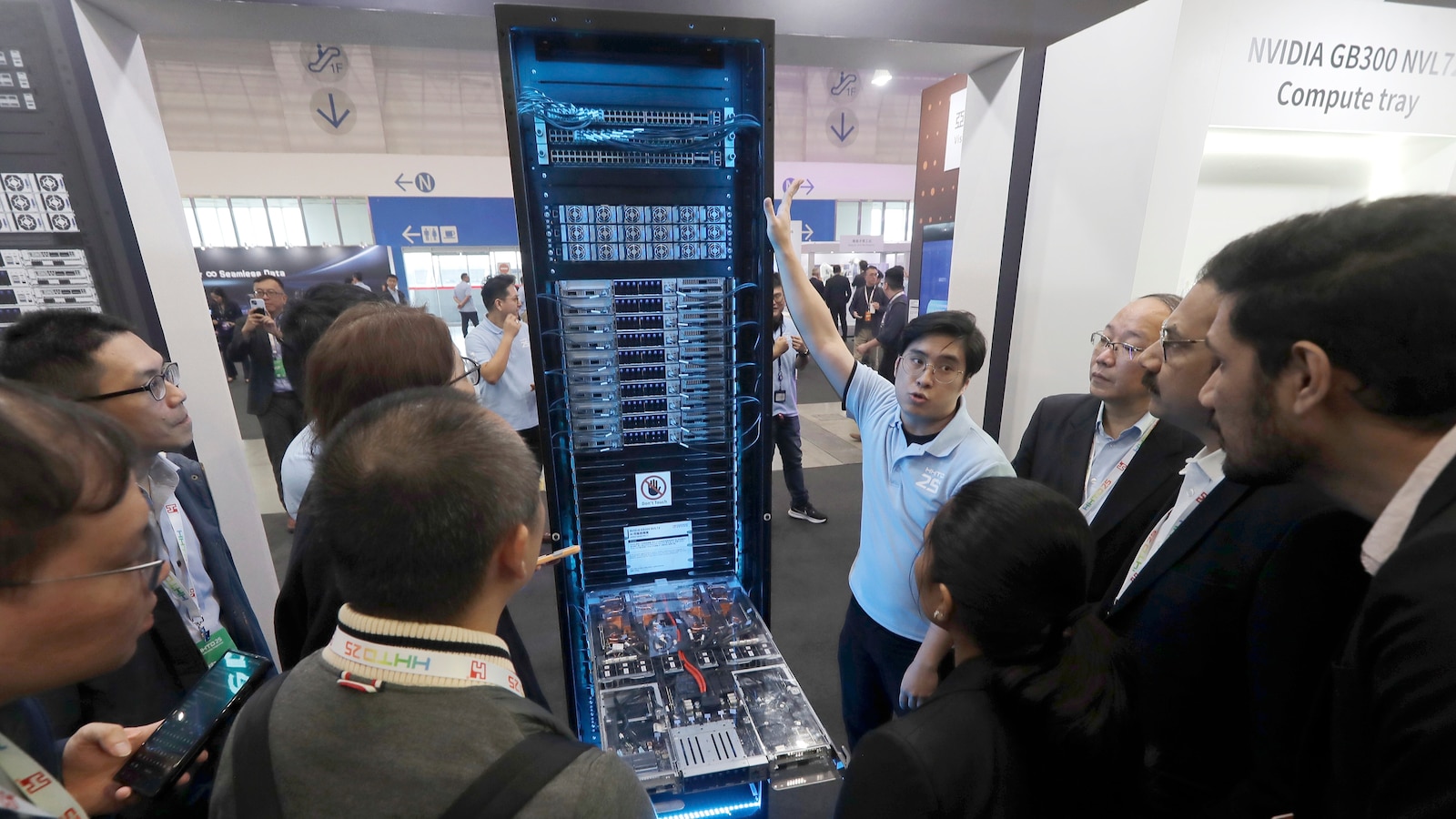
Taiwan has charged nine individuals, including employees from Nvidia and Super Micro, for their involvement in the illegal export of advanced AI servers to China. The case highlights ongoing concerns regarding technology transfer and national security in the region.
Taiwan Charges Nine Individuals Over AI Server Exports
Taiwan's government has taken a significant step in addressing national security concerns by charging nine individuals for their roles in the illegal export of advanced artificial intelligence (AI) servers to China. Among those charged are employees from prominent tech companies Nvidia and Super Micro, underscoring the complexities of international technology trade and its implications for regional security.
Details of the Charges
The Taiwanese authorities announced the charges on Monday, revealing that the accused were involved in facilitating the sale of high-performance AI servers that could potentially be used by the Chinese military and for other state purposes. The servers in question are believed to possess capabilities that could enhance China's technological advancements in various sectors, including defense and surveillance.
Impact on International Relations
This development comes amid heightened tensions between Taiwan and China, particularly regarding technology transfer and the strategic competition between the United States and China. The Taiwanese government has been increasingly vigilant about monitoring exports of sensitive technology, especially to China, which it views as a direct threat to its sovereignty and security.
Responses from Nvidia and Super Micro
Nvidia, a leading American technology company known for its graphics processing units (GPUs) and AI technology, has stated that it is cooperating with the investigation. The company emphasized its commitment to adhering to export regulations and ensuring that its technologies are not misused. Similarly, Super Micro, a global leader in high-performance computing solutions, has expressed its intention to fully cooperate with Taiwanese authorities to clarify the situation.
Legal Implications
The charges filed against the nine individuals carry serious legal implications, including potential prison sentences and hefty fines. Taiwan's legal framework for export control is stringent, particularly concerning technologies that could enhance military capabilities. The case is expected to proceed through the Taiwanese judicial system, with implications for the accused and their respective companies.
Broader Context of Technology Exports
This incident is part of a broader trend where governments worldwide are tightening regulations on the export of sensitive technologies. The U.S. government, for instance, has implemented various measures to restrict the export of advanced technologies to China, citing national security concerns. Taiwan's actions reflect a similar approach, as it seeks to protect its technological advancements from potential exploitation by rival powers.
Future Considerations
As the global landscape for technology and trade continues to evolve, Taiwan's case serves as a reminder of the delicate balance between economic cooperation and national security. The outcome of this case could set a precedent for how Taiwan and other nations manage the export of advanced technologies in the future. Stakeholders in the tech industry will be closely monitoring the developments, as they may influence international business practices and regulatory frameworks.
Conclusion
The charges against the nine individuals involved in the illegal export of AI servers to China highlight the ongoing challenges faced by Taiwan in navigating its relationship with its powerful neighbor. As technology continues to play a pivotal role in global power dynamics, Taiwan's actions may resonate beyond its borders, influencing how nations approach technology transfer and security in an increasingly interconnected world.