Taiwan Accuses China of Silencing Political Dissent Amid Rising Tensions
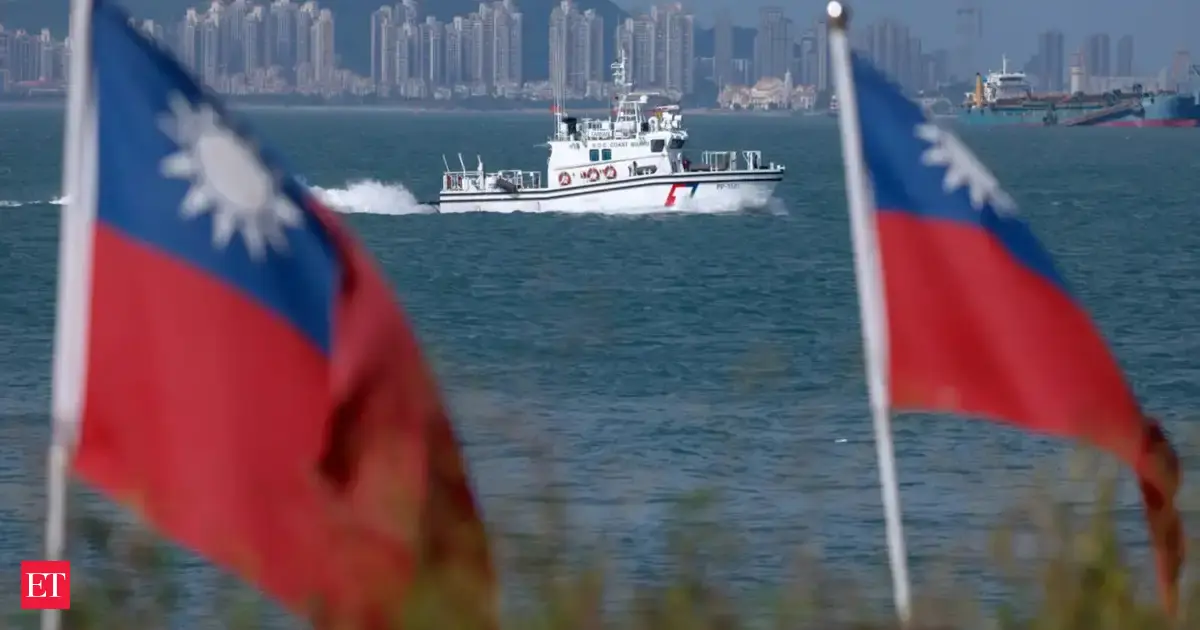
Taiwan has accused China of intensifying efforts to suppress political dissent within its borders, raising concerns over human rights and freedom of expression. The allegations come amid heightened tensions between the two nations, with Taiwan asserting its sovereignty against increasing Chinese pressure.
Introduction
In a significant escalation of tensions between Taiwan and China, Taiwanese officials have accused the Chinese government of systematically silencing political dissent and undermining democratic values. This development has raised alarms not only within Taiwan but also among international observers concerned about human rights and freedom of expression in the region.
Allegations of Suppression
The accusations come in the wake of a series of high-profile arrests and crackdowns on activists in Hong Kong and mainland China, which Taiwanese authorities claim are indicative of a broader strategy by Beijing to stifle opposition. Taiwanese Minister of Foreign Affairs Joseph Wu stated that the Chinese Communist Party (CCP) is increasingly resorting to authoritarian measures to suppress voices of dissent, particularly targeting pro-democracy advocates and activists who challenge the party's narrative.
Impact on Taiwan's Political Landscape
Taiwan, which has long prided itself on its democratic values and vibrant civil society, views these actions as a direct threat to its own sovereignty and way of life. The Taiwanese government has reiterated its commitment to defending democracy and human rights, drawing clear lines between its democratic governance and China's authoritarian model.
International Response
The international community has been closely monitoring the situation, with several countries expressing support for Taiwan’s stance. The United States, in particular, has reaffirmed its commitment to Taiwan's security and democratic values, criticizing China's aggressive tactics. In a recent statement, U.S. Secretary of State Antony Blinken emphasized that the U.S. stands with Taiwan against coercive actions from Beijing.
China's Denial and Counterclaims
In response to Taiwan's accusations, Chinese officials have vehemently denied any wrongdoing, claiming that their actions are necessary to maintain national security and social stability. The Chinese government has labeled Taiwan's assertions as unfounded and has accused Taiwanese leaders of inciting fear and spreading misinformation to garner international sympathy.
Public Sentiment in Taiwan
Public sentiment in Taiwan appears to be increasingly aligned with the government’s stance against China. Recent polls indicate that a majority of Taiwanese citizens support maintaining the island's sovereignty and are wary of Beijing's intentions. This growing sense of identity and resistance to Chinese influence has been fueled by ongoing events in Hong Kong, where the erosion of freedoms has served as a cautionary tale for many in Taiwan.
Conclusion
As tensions continue to rise between Taiwan and China, the accusations of political suppression underscore a critical juncture in cross-strait relations. Taiwan's commitment to democracy and human rights stands in stark contrast to China's authoritarian approach, setting the stage for an ongoing struggle over political ideology and national identity. The international community's response will be crucial in shaping the future dynamics of this complex relationship.