Taiwan: A Model Ally in a Complex Geopolitical Landscape
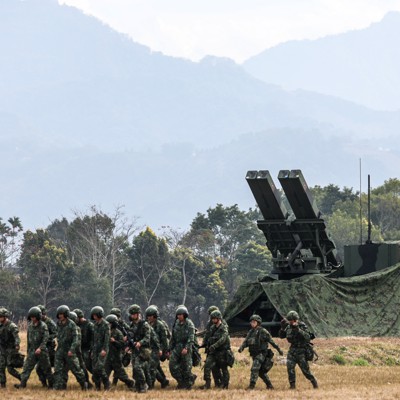
As tensions rise in the Indo-Pacific region, Taiwan emerges as a crucial ally for the United States and its partners. This report explores Taiwan's strategic importance and its role in regional security dynamics.
Introduction
In an era marked by escalating geopolitical tensions, Taiwan stands out as a pivotal ally for the United States and its partners. Often viewed through the lens of trade and economic negotiations, Taiwan's significance transcends mere transactional relationships, positioning it as a model ally in the complex dynamics of international relations.
The Strategic Importance of Taiwan
Geographically situated at the crossroads of major shipping routes, Taiwan plays a critical role in regional security and trade. The island nation’s strategic location makes it a vital player in the Indo-Pacific, where the U.S. has sought to strengthen alliances to counterbalance China's growing influence. Taiwan's commitment to democratic values and its robust defense capabilities further solidify its status as a trusted partner.
Military Cooperation and Defense Partnerships
Recent developments in military cooperation between Taiwan and the United States underscore the importance of this alliance. The U.S. has increased arms sales to Taiwan, enhancing its defense capabilities amid rising threats from mainland China. This military partnership not only fortifies Taiwan’s self-defense but also sends a strong message to Beijing regarding the U.S. commitment to its allies in the region.
Economic Ties and Trade Relations
Beyond military cooperation, Taiwan's economic relationship with the U.S. is equally significant. As a leading global supplier of semiconductors and technology, Taiwan plays a crucial role in the global supply chain. The ongoing semiconductor shortage has highlighted Taiwan's importance in the tech industry, prompting discussions about strengthening trade ties and ensuring supply chain resilience. The U.S. recognizes that a stable and prosperous Taiwan is essential for maintaining economic stability in the region.
Democratic Values and Shared Ideals
What sets Taiwan apart as a model ally is its unwavering commitment to democratic principles. In contrast to authoritarian regimes, Taiwan has cultivated a vibrant democracy that resonates with shared values among its allies. This ideological alignment fosters a sense of solidarity and mutual respect, reinforcing Taiwan's position as a partner that champions freedom and human rights.
Challenges Ahead
Despite its strengths, Taiwan faces significant challenges, particularly from an increasingly assertive China. The Chinese government views Taiwan as a breakaway province and has not ruled out the use of force to achieve reunification. This looming threat necessitates a united front among Taiwan and its allies, emphasizing the need for continued diplomatic engagement and military readiness.
The Role of International Partnerships
As Taiwan navigates these challenges, international partnerships will be crucial. Countries in the Indo-Pacific, including Japan, Australia, and India, have recognized the importance of a stable Taiwan for regional security. Collaborative efforts, such as joint military exercises and diplomatic dialogues, will be essential in reinforcing Taiwan's position and deterring aggression from China.
Conclusion
In conclusion, Taiwan's role as a model ally is underscored by its strategic importance, military cooperation, economic ties, and commitment to democratic values. As the geopolitical landscape continues to evolve, Taiwan's partnerships with the U.S. and other nations will be vital in ensuring peace and stability in the Indo-Pacific. The resilience and determination of the Taiwanese people, coupled with their allies' support, will play a crucial role in shaping the future of this dynamic region.