Surge in EV Purchases Amid Iran Conflict: A New Trend in Consumer Behavior
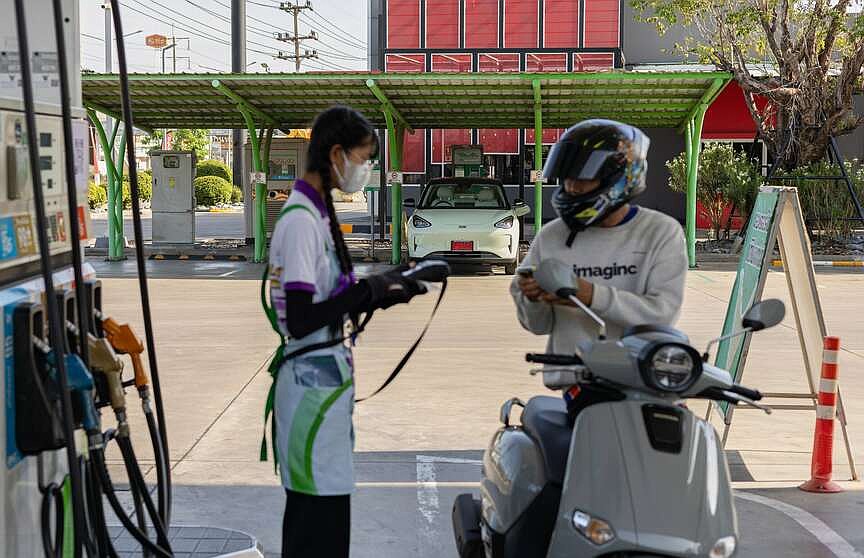
The ongoing conflict in Iran has led to a significant increase in electric vehicle (EV) purchases as consumers seek alternatives to traditional fuel sources. This shift reflects a growing awareness of the geopolitical implications of energy dependency.
Introduction
The recent escalation of conflict in Iran has sparked a noteworthy trend in consumer behavior, particularly in the automotive sector. As tensions rise and fuel prices fluctuate, many consumers are turning to electric vehicles (EVs) as a viable alternative to traditional gasoline-powered cars. This shift not only highlights changing consumer preferences but also underscores the broader implications of geopolitical events on the global market.
Impact of the Iran Conflict on Fuel Prices
The ongoing war in Iran has sent shockwaves through the global oil market, causing prices to skyrocket. With Iran being one of the leading oil producers, any disruption in its production or export capabilities can lead to significant price hikes. As a result, consumers are feeling the pinch at the pump, prompting many to reconsider their transportation options.
Increased Interest in Electric Vehicles
In light of rising fuel costs, electric vehicles have emerged as an attractive alternative. According to recent reports, EV purchases have surged dramatically in the past few months, with consumers increasingly aware of the long-term savings associated with electric driving. The initial investment in an EV may be higher, but the lower operational costs and reduced dependence on volatile fuel markets are compelling factors driving this trend.
Government Incentives and Infrastructure Development
Governments around the world are also playing a crucial role in this shift towards electric mobility. Many countries have introduced incentives for EV buyers, such as tax credits, rebates, and grants, making the transition more financially feasible for consumers. Additionally, the expansion of charging infrastructure is alleviating concerns about range anxiety, further encouraging potential buyers to consider electric options.
Consumer Awareness and Sustainability
Beyond the immediate economic factors, there is a growing awareness among consumers regarding the environmental impact of their choices. The conflict in Iran has heightened discussions around energy security and sustainability, prompting many to consider the ecological benefits of electric vehicles. As climate change continues to be a pressing global issue, the shift towards EVs is seen as a step in the right direction for many environmentally-conscious consumers.
Challenges Ahead for the EV Market
While the surge in EV purchases presents a positive outlook for the industry, challenges remain. Supply chain disruptions, particularly in the semiconductor market, have affected the production of electric vehicles. Additionally, the availability of raw materials for batteries, such as lithium and cobalt, is becoming increasingly critical as demand rises. Addressing these challenges will be essential for sustaining the growth of the EV market in the long term.
Conclusion
The ongoing conflict in Iran has inadvertently catalyzed a shift in consumer behavior, with electric vehicles gaining popularity as a response to rising fuel prices and geopolitical instability. As consumers seek alternatives to traditional fuel sources, the electric vehicle market stands to benefit significantly. With government support and a growing awareness of sustainability, the future of electric mobility looks promising, albeit with challenges that need to be addressed. The intersection of global events and consumer choices will continue to shape the automotive landscape in the coming years.