Surge in Electric Vehicle Purchases Amid Iran Conflict
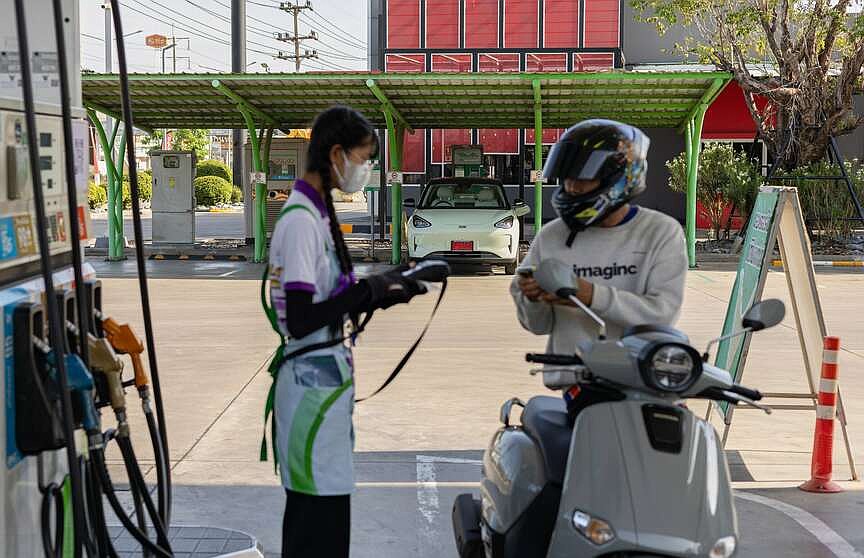
The ongoing conflict in Iran has led to a significant increase in electric vehicle (EV) purchases globally. This trend highlights shifting consumer priorities towards sustainability and energy independence in the face of geopolitical tensions.
Introduction
The ongoing conflict in Iran has had far-reaching implications, not only in the geopolitical sphere but also in the global market for electric vehicles (EVs). As tensions escalate, consumers are increasingly turning to EVs as a solution to rising fuel prices and energy security concerns. This report delves into the factors driving this surge in EV purchases and the broader implications for the automotive industry.
Geopolitical Context
The conflict in Iran has triggered a series of economic sanctions and disruptions in oil supply chains, leading to a spike in fuel prices worldwide. As consumers grapple with the financial impact of these rising costs, many are re-evaluating their transportation options. The shift towards electric vehicles is seen as a viable alternative, offering not only cost savings in the long run but also a more sustainable mode of transport.
Consumer Behavior Shift
Recent data indicates that the demand for electric vehicles has surged by over 30% in the past few months. This increase can be attributed to several factors, including heightened awareness of climate change, advancements in EV technology, and government incentives aimed at promoting greener transportation solutions. Consumers are increasingly motivated by the desire to reduce their carbon footprint while also seeking protection from fluctuating fuel prices.
Government Incentives and Policies
In response to the rising demand for EVs, many governments around the world have implemented policies to encourage their adoption. These include tax credits, rebates, and investments in charging infrastructure. For instance, the U.S. government has expanded its EV tax credit program, making it more accessible for consumers. Similarly, European countries are ramping up their efforts to phase out internal combustion engine vehicles, further boosting the appeal of electric alternatives.
Impact on the Automotive Industry
The automotive industry is undergoing a significant transformation as manufacturers pivot towards electric mobility. Major carmakers are investing billions in EV technology and production capabilities. Companies like Tesla, Ford, and General Motors have ramped up their EV offerings, while traditional automakers are retooling their factories to meet the growing demand. This shift not only reflects changing consumer preferences but also a broader commitment to sustainability within the industry.
Challenges Ahead
Despite the positive momentum in EV sales, challenges remain. Supply chain disruptions, particularly in the production of batteries, have posed significant hurdles. Additionally, the availability of charging infrastructure is still a concern in many regions, potentially hindering widespread adoption. As the market continues to evolve, addressing these challenges will be crucial for sustaining growth in the electric vehicle sector.
Conclusion
The surge in electric vehicle purchases amid the Iran conflict underscores a pivotal moment for consumers and the automotive industry alike. As geopolitical tensions continue to influence energy markets, the shift towards electric mobility is likely to accelerate. This trend not only reflects changing consumer priorities but also signals a broader commitment to sustainability and energy independence in an increasingly uncertain world.