Study Links Pro-Inflammatory Diets to Higher Depression Risk, Especially in Women
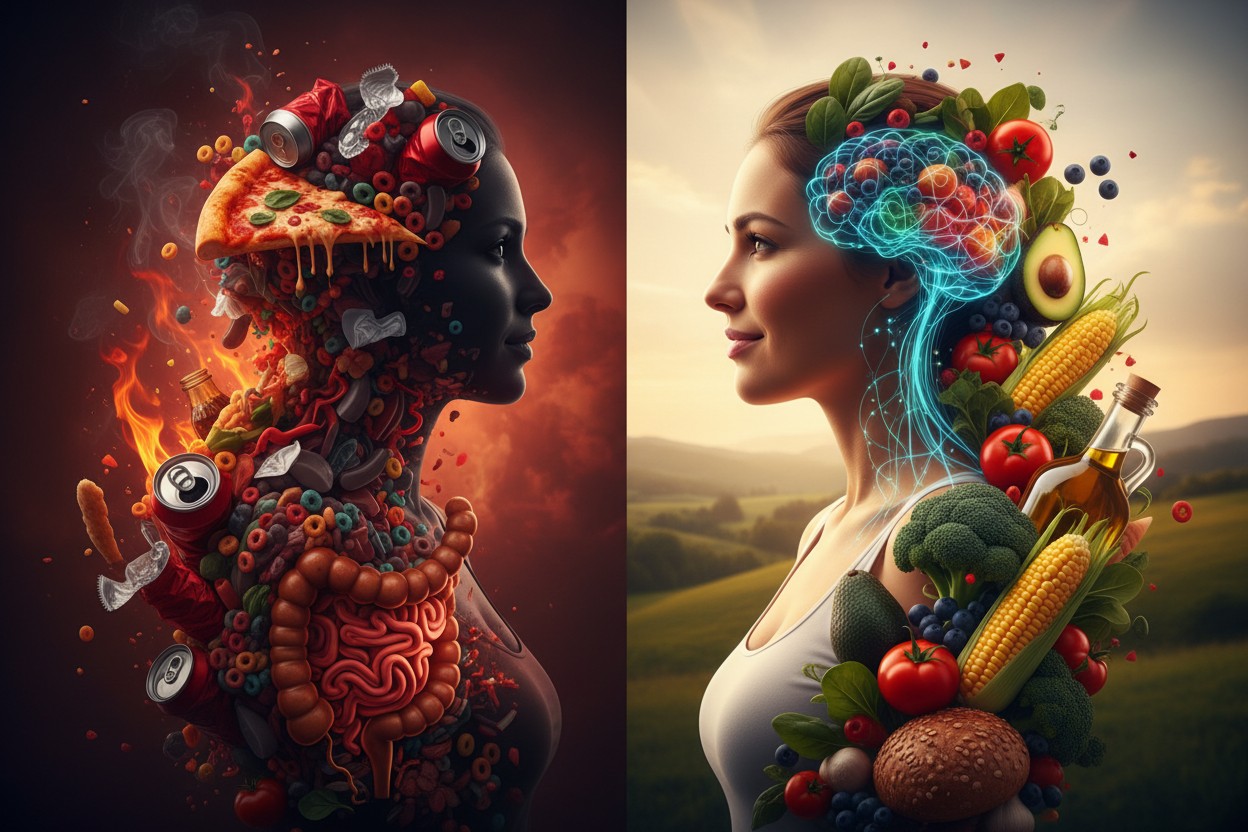
Recent research highlights a concerning connection between pro-inflammatory diets and increased depression risk, particularly among women. The findings suggest that dietary choices could play a significant role in mental health management.
Understanding the Link Between Diet and Mental Health
In a groundbreaking study published recently, researchers have uncovered a significant correlation between pro-inflammatory diets and an elevated risk of depression, with women being particularly affected. This research adds to the growing body of evidence suggesting that what we eat can profoundly influence our mental well-being.
The Study's Findings
The study, which analyzed dietary patterns and mental health outcomes, found that individuals who consumed a diet high in pro-inflammatory foods—such as processed meats, refined carbohydrates, and sugary beverages—were more likely to experience symptoms of depression. The research team, comprising nutritionists and mental health experts, emphasized that the inflammatory response triggered by these foods might contribute to the onset of depressive symptoms.
Why Women Are More Affected
Interestingly, the study highlighted that women were disproportionately affected by the negative impacts of pro-inflammatory diets. Researchers suggest that hormonal differences, combined with social and psychological factors, may make women more susceptible to the effects of dietary-induced inflammation on mood and mental health.
The Role of Inflammation in Mental Health
Inflammation has long been recognized as a key player in various physical health conditions, but its role in mental health is gaining more attention. Chronic inflammation can lead to changes in brain function and neurotransmitter levels, which are critical for mood regulation. This study reinforces the idea that dietary choices can either exacerbate or alleviate inflammation, thus influencing mental health outcomes.
Implications for Dietary Choices
The implications of these findings are profound, particularly in an era where mental health issues are on the rise globally. Nutritionists and mental health professionals are urging individuals to consider the impact of their dietary choices on their emotional well-being. A shift towards an anti-inflammatory diet—rich in fruits, vegetables, whole grains, and healthy fats—could not only enhance physical health but also serve as a preventive measure against depression.
Practical Dietary Recommendations
For those looking to improve their mental health through dietary changes, experts recommend incorporating more anti-inflammatory foods into their meals. This includes:
- Fruits and Vegetables: Aim for a variety of colors to ensure a wide range of nutrients.
- Whole Grains: Choose whole grains over refined grains to maintain stable blood sugar levels.
- Healthy Fats: Incorporate sources of omega-3 fatty acids, such as fish, walnuts, and flaxseeds.
- Spices: Use anti-inflammatory spices like turmeric and ginger in cooking.
Conclusion
The link between diet and mental health is becoming increasingly clear, and this recent study serves as a wake-up call for many. As we continue to navigate the complexities of mental health, it is essential to recognize the role that nutrition plays in our overall well-being. By making informed dietary choices, individuals can take proactive steps towards improving their mental health, particularly women who may be at a higher risk due to pro-inflammatory diets.