State Funeral Honors Tung Chee-hwa, Hong Kong's First Post-Colonial Leader
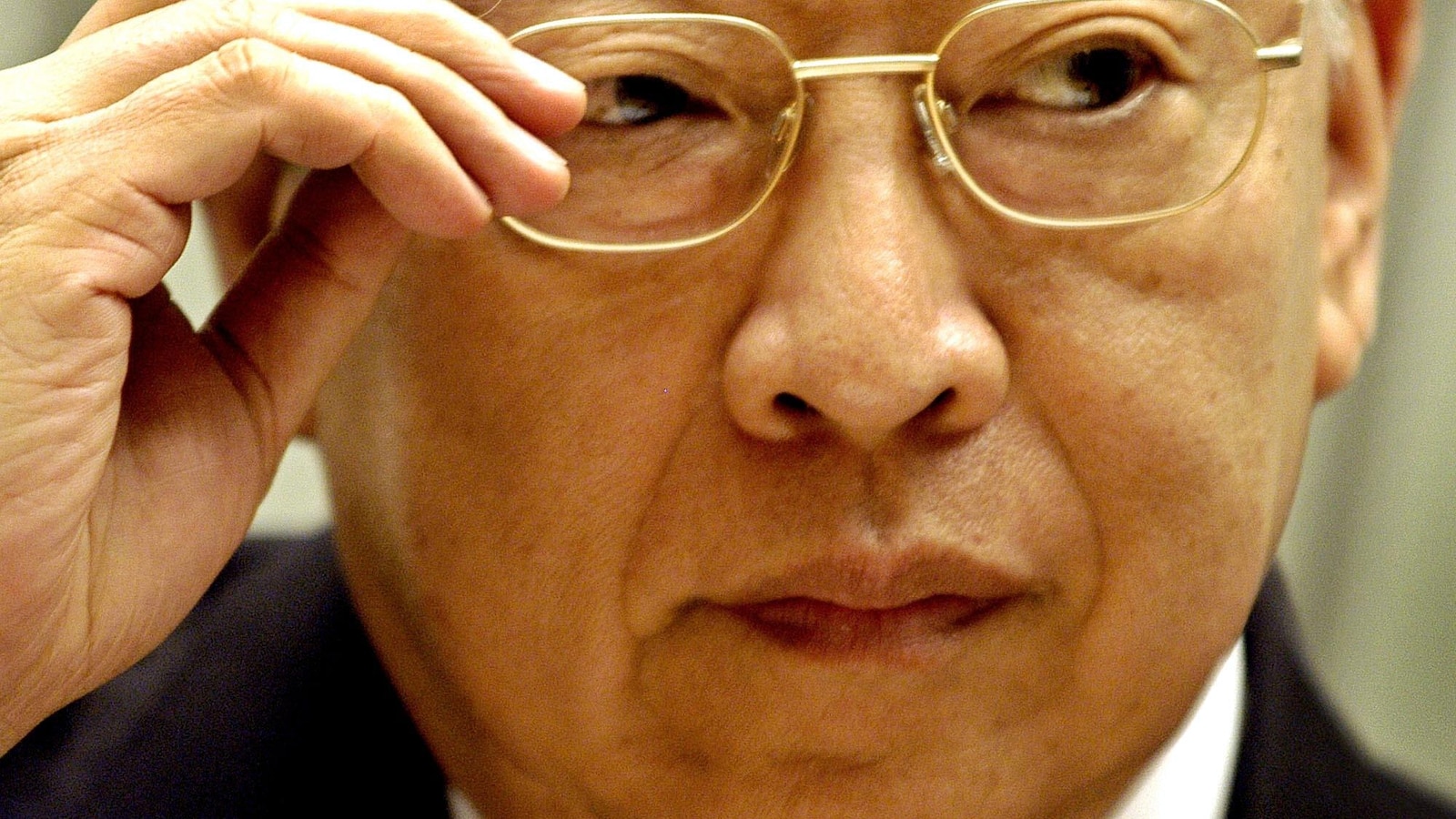
A state funeral in Hong Kong commemorated the life and legacy of Tung Chee-hwa, the city's first Chief Executive following the handover from British rule. The event drew significant attention, reflecting on his contributions and the complex political landscape of the region.
State Funeral Honors Tung Chee-hwa, Hong Kong's First Post-Colonial Leader
Hong Kong held a state funeral on [insert date] to honor Tung Chee-hwa, the city's first Chief Executive after the 1997 handover from British to Chinese rule. The ceremony, attended by dignitaries, officials, and citizens, served as a poignant reminder of Tung's role in shaping the modern governance of Hong Kong amidst a backdrop of political complexities.
A Life of Service and Leadership
Tung Chee-hwa, who served as Chief Executive from 1997 to 2005, is remembered for his commitment to the development of Hong Kong during a transformative period. His tenure was marked by significant challenges, including the Asian financial crisis and growing tensions between local aspirations and mainland policies. Despite these challenges, Tung's efforts in promoting economic growth and social stability have left an indelible mark on the city.
Commemorating His Contributions
The state funeral took place at [insert location], where a large gathering of mourners paid their respects. Among the attendees were current and former government officials, business leaders, and representatives from various sectors of society. The ceremony featured tributes highlighting Tung's vision for a prosperous Hong Kong and his dedication to fostering a harmonious relationship between the city and mainland China.
Reflections on Tung's Legacy
In his eulogy, [insert name], a close associate of Tung, remarked on his unwavering commitment to the people of Hong Kong. "Tung Chee-hwa was not just a leader; he was a visionary who believed in the potential of our city," [insert name] stated. "His legacy will continue to inspire future generations as we navigate the complexities of our identity and governance."
Political Context and Public Sentiment
The state funeral comes at a time when Hong Kong is experiencing significant political unrest and challenges to its autonomy. Many citizens reflect on Tung's tenure with mixed emotions, as they grapple with the evolving relationship between Hong Kong and Beijing. While some view Tung's leadership as a stabilizing force, others criticize his administration for not adequately addressing the growing demands for democratic reforms.
A Moment of Unity
Despite the polarized sentiments surrounding Tung's legacy, the funeral served as a moment of unity for many Hongkongers. Attendees expressed a desire to honor his contributions while also advocating for a future that respects the city's unique identity. "Today, we remember Tung Chee-hwa not just for his leadership, but for his dedication to our community," said [insert name], a local resident who attended the funeral.
Conclusion
Tung Chee-hwa's state funeral was not only a tribute to his life and work but also a reflection of the ongoing dialogue about Hong Kong's future. As the city continues to navigate its path amid external pressures and internal aspirations, the legacy of its first post-colonial leader remains a significant part of its narrative. The event has sparked renewed discussions about governance, identity, and the role of leadership in shaping a resilient society.