Starmer's China Reset: A Diplomatic Gamble with Mixed Reactions
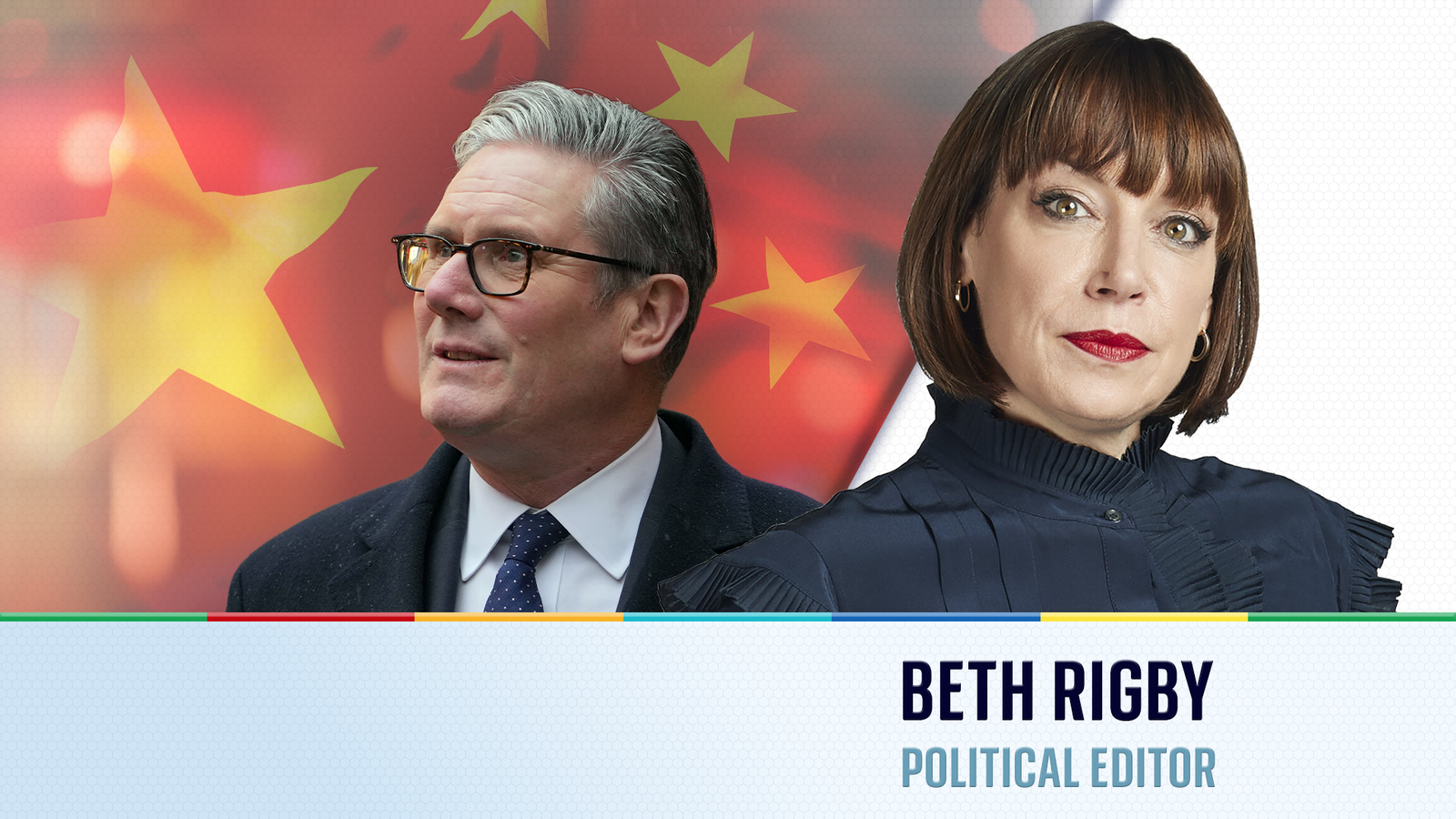
UK Labour leader Keir Starmer has hailed his recent diplomatic engagement with China as a success, but critics question the effectiveness and implications of this approach. As the UK navigates complex international relations, the response to Starmer's strategy reveals deep divisions among political and public opinion.
Starmer's Diplomatic Engagement with China
In a bold move to recalibrate the United Kingdom's relationship with China, Labour leader Keir Starmer has declared his recent diplomatic initiatives a success. This comes amid a backdrop of increasing scrutiny over the UK’s foreign policy, particularly regarding its stance towards Beijing. Starmer's approach aims to foster a more constructive dialogue with China, emphasizing the need for cooperation on global issues such as climate change and economic stability.
Context of the Reset
Starmer's reset comes as the UK grapples with the complexities of its post-Brexit identity and the shifting dynamics of international relations. The Labour leader's strategy is seen as an attempt to move away from the confrontational stance adopted by the previous government, which labeled China as a 'systemic challenge.' Instead, Starmer advocates for a pragmatic approach, suggesting that engagement rather than isolation could yield better outcomes for the UK.
Mixed Reactions from Political Circles
While Starmer's declaration of success has been welcomed by some, it has also drawn criticism from various quarters. Critics argue that the Labour leader's optimism may be misplaced, pointing to ongoing human rights abuses in Xinjiang and the suppression of freedoms in Hong Kong as significant concerns that cannot be overlooked. Prominent figures within the Conservative Party have labeled Starmer's approach as naive, suggesting that it undermines the UK’s moral standing on the global stage.
Public Opinion Divided
Public sentiment regarding Starmer's reset with China is equally polarized. A recent poll indicates that a significant portion of the British public remains skeptical about engaging with a regime accused of numerous human rights violations. Many citizens express concerns that prioritizing economic ties with China could come at the expense of ethical considerations and democratic values.
Economic Considerations
Starmer's push for a reset also highlights the economic imperatives driving UK-China relations. With the UK economy still recovering from the impacts of the COVID-19 pandemic and Brexit, the Labour leader argues that fostering trade relations with China could be beneficial. He emphasizes the potential for job creation and investment opportunities that a more amicable relationship could bring.
Global Implications
The implications of Starmer's diplomatic strategy extend beyond the UK. As global powers recalibrate their relationships with China, the UK’s stance could influence broader international dynamics. The US, for instance, has maintained a tough stance on China, and the UK’s shift could complicate its alliance with Washington. Observers are closely watching how this reset will affect the UK's role in global governance and its ability to navigate the increasingly multipolar world.
Conclusion
As Keir Starmer continues to advocate for a reset in UK-China relations, the success of this diplomatic gamble remains to be seen. With mixed reactions from political leaders and the public, the path forward is fraught with challenges. The Labour leader must balance economic interests with ethical considerations, all while navigating a complex international landscape that is rapidly evolving. Whether Starmer's approach will yield the desired results or fall short will depend on how effectively he can address the concerns of critics while capitalizing on the opportunities presented by a more engaged relationship with China.