Starmer's Balancing Act: Navigating UK-China Relations Amidst Rising Tensions
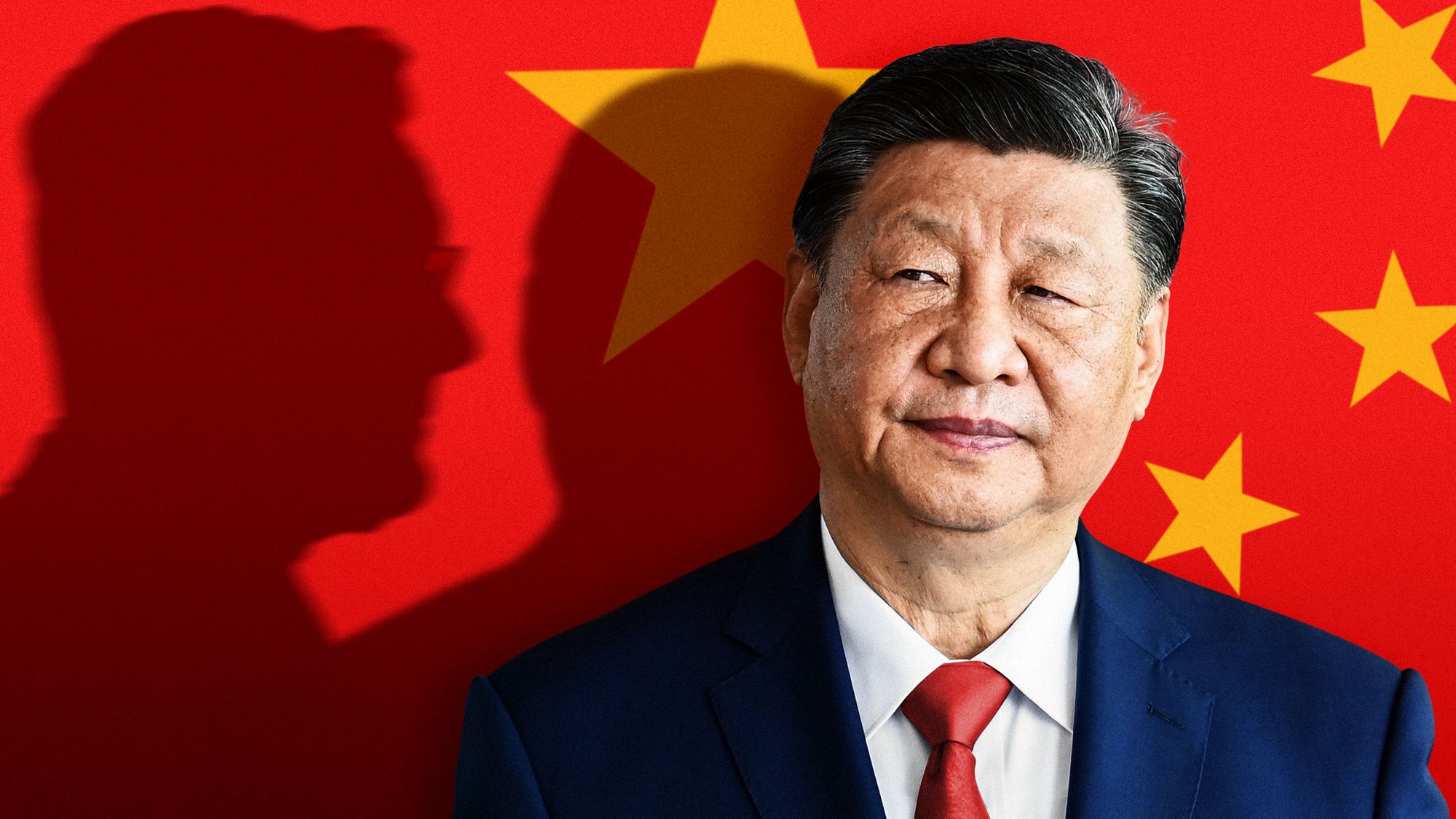
UK Labour leader Keir Starmer faces a complex challenge as he seeks to redefine the party's stance on China. With growing scrutiny over human rights issues and economic ties, Starmer's approach could shape the future of UK-China relations.
Introduction
As the geopolitical landscape shifts, UK Labour leader Keir Starmer finds himself at a critical juncture regarding the party's stance on China. With rising tensions over human rights violations, trade disputes, and global security concerns, Starmer's approach will not only define his leadership but also influence the future trajectory of UK-China relations.
The Context of UK-China Relations
The relationship between the UK and China has been increasingly strained in recent years, particularly following the imposition of the National Security Law in Hong Kong and allegations of human rights abuses in Xinjiang. The UK government has faced mounting pressure from both sides of the political spectrum to take a firmer stance against Beijing. Starmer's predecessor, Jeremy Corbyn, was often criticized for his perceived leniency towards China, a sentiment that has not entirely dissipated.
Starmer's Position on China
Starmer has publicly acknowledged the need for a more robust approach to China, emphasizing the importance of human rights and democratic values. He has called for a reassessment of the UK's economic ties with China, advocating for a strategy that balances trade interests with ethical considerations. This nuanced position aims to appeal to a broad spectrum of voters, from those concerned about human rights to business leaders wary of alienating a significant trading partner.
The Stakes for Starmer
For Starmer, the stakes are high. His leadership is being tested not only by the internal dynamics of the Labour Party but also by external pressures from the international community. A misstep in handling the China issue could lead to backlash from both pro-China factions and those advocating for a tougher stance. Moreover, with the next general election on the horizon, Starmer must navigate these waters carefully to maintain party unity and public support.
Public Sentiment and Political Pressure
Public sentiment towards China has shifted dramatically in the UK, with a growing number of citizens expressing concerns over Beijing's actions. Recent polls indicate that a significant portion of the electorate supports a tougher approach to China, particularly regarding human rights. This shift in public opinion places additional pressure on Starmer to align the Labour Party's policies with the prevailing sentiment, while also considering the economic implications of such a stance.
Economic Considerations
China is a vital trading partner for the UK, with significant investments flowing in both directions. The UK economy has benefited from Chinese investment, particularly in sectors like technology and infrastructure. However, Starmer must weigh these economic benefits against the ethical implications of engaging with a government accused of serious human rights violations. His challenge lies in crafting a policy that safeguards economic interests while standing firm on human rights.
Potential Policy Directions
Looking ahead, Starmer has several policy options at his disposal. He could advocate for a more coordinated international response to China's actions, working with allies to impose sanctions or trade restrictions. Alternatively, he might pursue a strategy of engagement, emphasizing dialogue and cooperation on global issues like climate change, while simultaneously addressing human rights concerns. The path he chooses will be crucial in defining his leadership and the Labour Party's identity.
Conclusion
As Keir Starmer navigates the complexities of UK-China relations, he must balance ethical considerations with economic realities. His approach will not only impact the Labour Party's future but also shape the broader narrative of UK foreign policy in an increasingly multipolar world. With the stakes higher than ever, Starmer's decisions could resonate far beyond the confines of British politics.