SpaceX IPO Underwriters Exclude Hong Kong and China Investors Amid US Export Restrictions
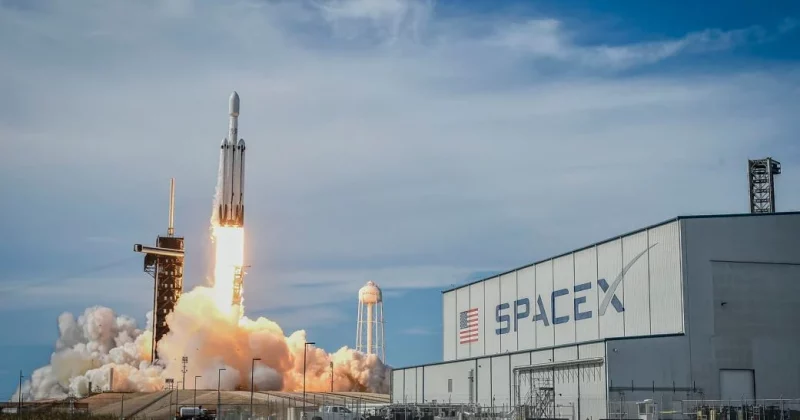
SpaceX's upcoming IPO faces significant changes as underwriters implement a ban on investors from Hong Kong and China due to stringent US export regulations. This decision underscores the growing tensions between the US and China in the tech sector and its implications for international investment.
Introduction
In a notable shift for one of the most anticipated Initial Public Offerings (IPOs) in recent years, SpaceX has announced that its underwriters will prohibit investors from Hong Kong and mainland China from participating in the upcoming stock sale. This decision is primarily driven by stringent U.S. export restrictions that have been increasingly applied to technology and aerospace industries.
Background on SpaceX
Founded by Elon Musk in 2002, SpaceX has revolutionized the aerospace industry with its ambitious goals of reducing space transportation costs and enabling the colonization of Mars. The company has achieved numerous milestones, including the first privately-funded spacecraft to reach orbit and the first to dock with the International Space Station. As it prepares for its IPO, investor interest has surged, but geopolitical factors are complicating the landscape.
Reasons for the Ban
The decision to exclude Hong Kong and China investors stems from the U.S. government's ongoing concerns about national security and technology transfer. The Biden administration has intensified scrutiny over investments in sensitive sectors, particularly those involving advanced technologies that could potentially be used for military purposes. As a result, underwriters have opted to limit participation from regions deemed high-risk, particularly in light of the ongoing tensions between the U.S. and China.
Implications for Investors
This ban significantly narrows the pool of potential investors for SpaceX's IPO, especially considering the growing interest from Asian markets in high-tech investments. Hong Kong, as a major financial hub, has traditionally been a critical source of capital for tech companies. The exclusion may lead to a decrease in demand for the IPO, potentially impacting the valuation and overall success of the offering.
Reactions from the Market
Market analysts have expressed mixed reactions to the news. Some believe that the ban could lead to a more stable investment environment by reducing the risk of foreign interference and ensuring compliance with U.S. regulations. Others, however, argue that it could alienate a significant segment of investors and diminish the IPO's potential financial success.
Broader Context of U.S.-China Relations
The decision to exclude investors from Hong Kong and mainland China is emblematic of the broader geopolitical tensions that have escalated in recent years. Trade wars, tariffs, and technology bans have characterized the relationship between the two superpowers, and the SpaceX IPO is just one of many instances where these tensions are manifesting in the business world. The implications of these restrictions extend beyond SpaceX, affecting numerous companies in the tech and aerospace sectors.
Future of SpaceX and International Investments
As SpaceX moves forward with its IPO plans, it remains to be seen how this ban will affect its long-term strategy and international partnerships. The company has been a leader in commercial spaceflight, and its success is closely tied to its ability to attract diverse sources of funding. With the current geopolitical climate, SpaceX may need to explore alternative avenues for investment that do not involve high-risk regions.
Conclusion
The exclusion of Hong Kong and China investors from SpaceX's IPO highlights the intersection of business and geopolitics in today's market. As the company prepares for a significant milestone, it must navigate a complex landscape shaped by regulatory challenges and international relations. The outcome of this IPO will not only impact SpaceX but may also set a precedent for future tech IPOs in an increasingly divided global market.