South Korea Celebrates Rare Baby Bump Amidst Ongoing Population Decline
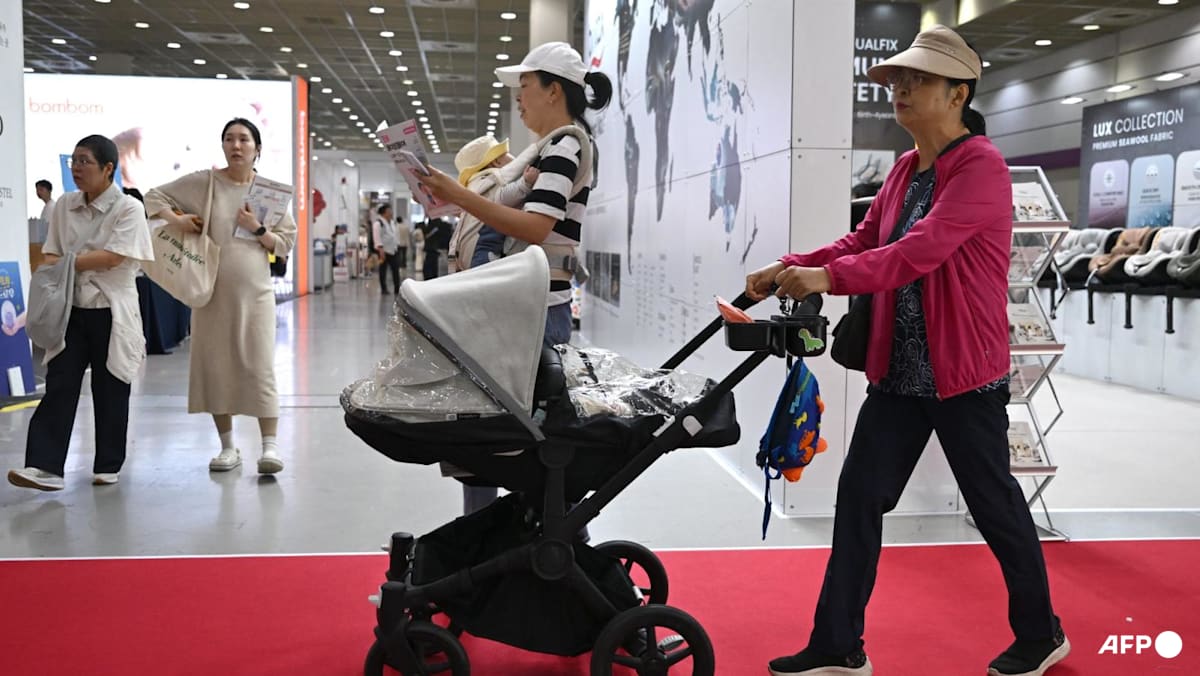
In a surprising turn of events, South Korea has welcomed an increase in birth rates, providing a glimmer of hope in a country grappling with a significant population decline. This development raises questions about the societal and economic implications of changing family dynamics in one of the world's lowest fertility rate nations.
Introduction
South Korea, a nation known for its rapid economic growth and technological advancements, is facing a demographic crisis as its population continues to shrink. However, recent reports indicate a rare uptick in birth rates, offering a flicker of hope amidst the gloom of declining fertility rates. This article explores the implications of this development and what it means for the future of South Korea.
Declining Birth Rates
For years, South Korea has grappled with one of the lowest fertility rates in the world, a trend that has raised alarms among policymakers and economists alike. According to the latest data, the country's fertility rate dropped to a staggering 0.84 children per woman in 2020, far below the replacement level of 2.1 needed to maintain a stable population. This decline has been attributed to various factors, including economic pressures, high housing costs, and changing societal norms regarding marriage and parenthood.
Recent Increase in Birth Rates
In a surprising twist, recent statistics have shown a slight increase in birth rates, with the number of newborns rising by 1.5% in the first half of 2023 compared to the previous year. This increase has been welcomed by the government and citizens alike, as it signals a potential shift in attitudes towards family life. Experts suggest that the rise may be linked to government initiatives aimed at encouraging childbirth, such as financial incentives for families and improved parental leave policies.
Government Initiatives
The South Korean government has implemented various measures to combat the declining birth rate crisis. These initiatives include financial support for families, subsidized childcare, and policies promoting work-life balance. Additionally, the government has been working to change societal perceptions around marriage and parenthood, aiming to create a more family-friendly environment.
Societal Implications
The recent increase in birth rates could have significant implications for South Korean society. A growing population could lead to a more robust workforce, which is essential for sustaining economic growth. Moreover, a shift in family dynamics may encourage a cultural renaissance, as younger generations embrace parenthood and family life.
Challenges Ahead
Despite the positive news, challenges remain. Many young couples still face economic uncertainties that deter them from starting families. The high cost of living, particularly in urban areas, continues to be a significant barrier. Furthermore, societal expectations regarding education and career success may dissuade individuals from prioritizing family life.
Conclusion
As South Korea navigates this complex landscape, the recent rise in birth rates offers a glimmer of hope for a nation facing demographic challenges. While government initiatives have started to yield positive results, addressing the underlying economic and societal issues will be crucial for sustaining this momentum. The future of South Korea's population may depend on its ability to adapt to changing family dynamics and foster an environment where parenthood is both desirable and attainable.