Son of British Media Tycoon Sentenced to Twenty Years in China
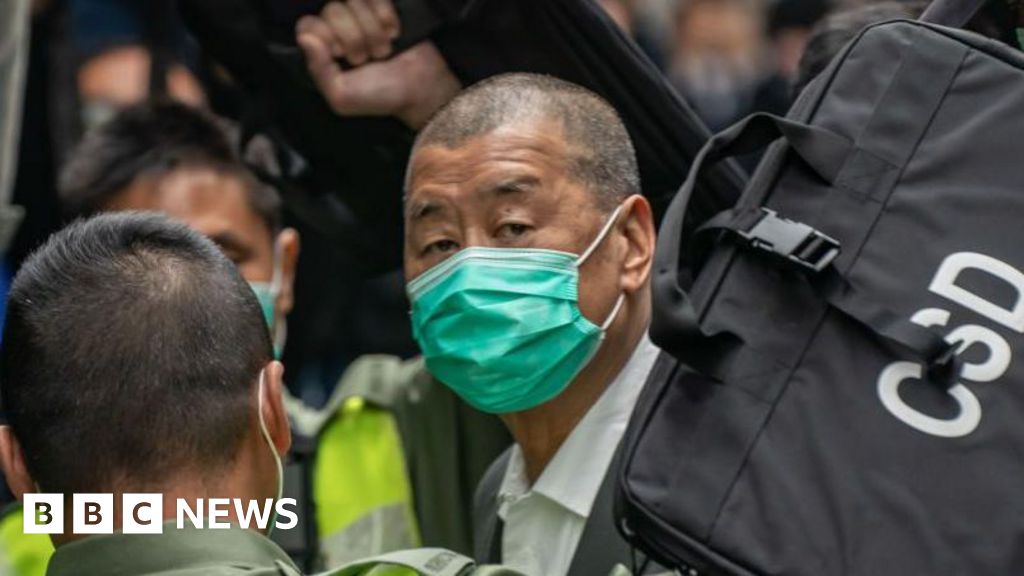
The son of a prominent British media mogul has been sentenced to twenty years in prison in China, a punishment described as a 'death sentence' by his family. This case has raised significant concerns regarding the treatment of foreign nationals within the Chinese legal system.
Introduction
The recent sentencing of the son of British media tycoon, Richard Liu, has ignited a firestorm of controversy and concern over the treatment of foreign nationals in China. Liu's son, who was found guilty of charges that remain undisclosed, has been handed a twenty-year prison sentence, which his family has termed a 'death sentence.' This case not only highlights the harsh realities of the Chinese legal system but also raises questions about the implications for foreign investments and relationships.
Background of the Case
Richard Liu, a prominent figure in the media industry, has long been a subject of interest for both the British public and international observers. His family has been vocal about their concerns regarding the legal proceedings against his son, emphasizing the lack of transparency and fairness in the Chinese judicial process. The sentencing comes amid heightened tensions between China and Western nations, particularly in the realm of human rights and legal standards.
Family's Reaction
In a statement released shortly after the sentencing, the Liu family expressed their profound disappointment and concern for the future of their son. They described the twenty-year sentence as a 'death sentence,' reflecting their belief that the harsh punishment is not only unjust but also indicative of broader issues within the Chinese legal system. The family has vowed to continue fighting for his release, seeking support from international human rights organizations and the British government.
International Implications
This case has significant implications for international relations, particularly between China and the United Kingdom. As the world becomes increasingly interconnected, the treatment of foreign nationals in China is under scrutiny. Critics argue that such harsh sentences could deter foreign investments and complicate diplomatic relations. The Liu family's plight has drawn attention from various human rights advocates, who argue that this case exemplifies the need for reform within China's legal framework.
Legal Context in China
China's legal system has often been criticized for its lack of transparency and fairness. Foreign nationals facing legal issues in China frequently encounter significant challenges, including language barriers, limited access to legal representation, and a judicial system that is often perceived as biased. The Liu case underscores these challenges and raises questions about the protections available to non-Chinese citizens in the country.
Calls for Action
In light of this troubling case, there are growing calls for the British government to take a more active role in advocating for the rights of its citizens abroad. Human rights organizations have urged the UK to engage with Chinese authorities to ensure that the legal rights of foreign nationals are upheld. The Liu family's case could serve as a catalyst for broader discussions on human rights and legal reform in China, as well as the responsibilities of foreign governments in protecting their citizens.
Conclusion
The sentencing of Richard Liu's son to twenty years in prison has sparked outrage and concern both in the UK and internationally. As the Liu family continues to fight for justice, this case serves as a stark reminder of the complexities and challenges faced by foreign nationals within the Chinese legal system. The outcome of this situation may have lasting implications for international relations and the treatment of foreign citizens in China.