SMIC Increases Wafer Prices Amidst Tightening Memory Demand
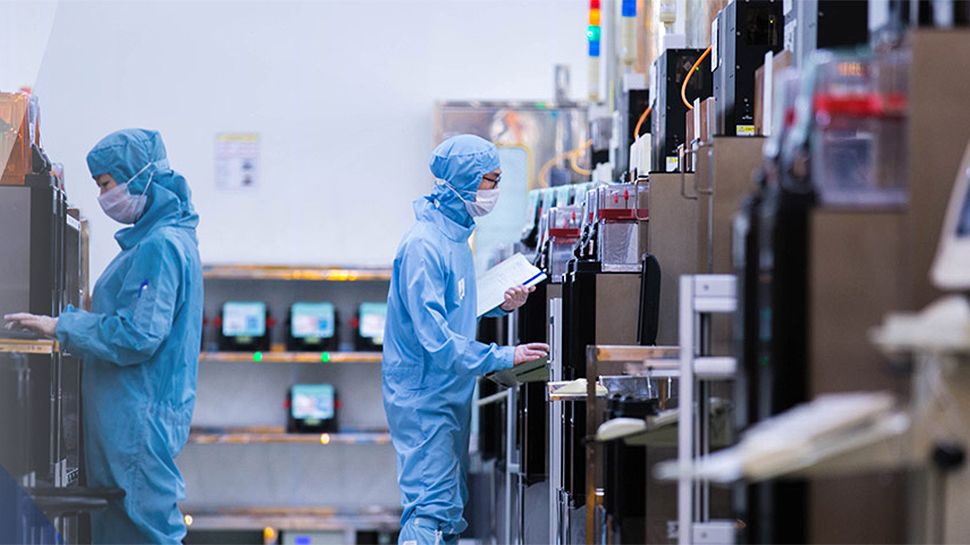
China's leading chipmaker SMIC has announced a 10% increase in wafer prices as demand for memory chips continues to strain production capacity. This move reflects the ongoing challenges in the global semiconductor market, driven by rising demand and supply chain constraints.
Introduction
In a significant move that underscores the ongoing challenges in the global semiconductor market, China’s largest chipmaker, Semiconductor Manufacturing International Corporation (SMIC), has announced a 10% increase in wafer prices. This decision comes as demand for memory chips continues to tighten, putting pressure on production capacities and highlighting the complexities of the supply chain.
Background on SMIC
Founded in 2000, SMIC has grown to become a pivotal player in the semiconductor industry, particularly within China. As the country aims to enhance its technological self-sufficiency, SMIC has been at the forefront of efforts to develop advanced manufacturing capabilities. The company provides a range of services, including wafer fabrication, and is crucial in supporting both domestic and international clients.
Reasons for the Price Increase
The decision to raise wafer prices by approximately 10% is largely attributed to the tightening demand for memory chips. Over the past year, the semiconductor industry has faced a surge in demand driven by various factors, including the proliferation of smart devices, the expansion of artificial intelligence applications, and the ongoing digital transformation across industries. This increased demand has strained production capacities, leading to supply shortages in the market.
Impact on the Semiconductor Market
The price hike by SMIC is expected to have ripple effects throughout the semiconductor ecosystem. As one of the largest foundries in the world, SMIC’s pricing decisions can influence market dynamics significantly. Other chipmakers may be compelled to adjust their pricing strategies in response, potentially leading to higher costs for consumers and businesses that rely on semiconductor technology.
Global Supply Chain Challenges
The semiconductor industry has been grappling with various supply chain challenges exacerbated by the COVID-19 pandemic. Disruptions in logistics, shortages of raw materials, and geopolitical tensions have all contributed to the current state of the market. As companies like SMIC navigate these complexities, price adjustments may become a necessary strategy to maintain profitability and manage production costs.
Future Outlook
Looking ahead, the semiconductor market is likely to remain volatile as demand continues to outpace supply. Analysts predict that the trend of rising prices may persist, particularly if supply chain issues are not resolved in the near term. Furthermore, as countries invest in domestic semiconductor production capabilities, the competitive landscape may shift, impacting pricing and availability.
Conclusion
SMIC’s decision to increase wafer prices by 10% highlights the ongoing challenges faced by the semiconductor industry amidst tightening memory demand. As the market continues to evolve, stakeholders will need to adapt to changing dynamics, ensuring that they remain competitive while addressing the pressing demand for semiconductor technology.