SMIC and Hua Hong Launch Materials Supply Platform to Reduce Chip Chain Dependence on US
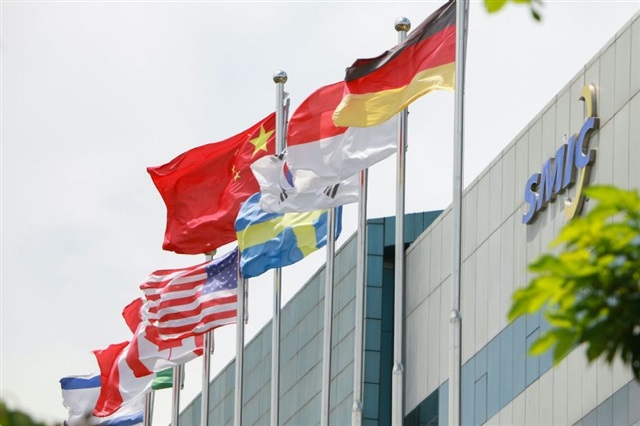
In a strategic move to bolster China's semiconductor industry, SMIC and Hua Hong have unveiled a new materials supply platform aimed at reducing reliance on American suppliers. This initiative reflects China's ongoing efforts to enhance its technological self-sufficiency amid rising geopolitical tensions.
Introduction
In a significant development for China's semiconductor industry, two of the country's leading chip manufacturers, Semiconductor Manufacturing International Corporation (SMIC) and Hua Hong Semiconductor, have announced the launch of a new materials supply platform. This initiative aims to reduce China's reliance on American suppliers and strengthen the domestic chip supply chain.
The Need for Self-Sufficiency
As the global semiconductor landscape becomes increasingly competitive, China faces mounting pressure to achieve technological self-sufficiency. The ongoing trade tensions between the United States and China have highlighted vulnerabilities in the supply chain, particularly in the semiconductor sector, which is crucial for various industries, including telecommunications, automotive, and consumer electronics.
Details of the New Platform
The newly launched materials supply platform is designed to streamline the procurement of essential materials used in semiconductor manufacturing. By collaborating on this initiative, SMIC and Hua Hong aim to create a more resilient supply chain that can withstand external pressures and disruptions. The platform will facilitate the sourcing of critical materials from domestic suppliers, thereby reducing dependence on foreign imports.
Strategic Partnerships
SMIC and Hua Hong are not alone in their quest for self-sufficiency. The Chinese government has been actively promoting the development of the domestic semiconductor industry through various initiatives and incentives. This includes fostering partnerships between chip manufacturers and material suppliers, as well as investing in research and development to enhance technological capabilities.
Implications for the Semiconductor Industry
The launch of this materials supply platform is expected to have far-reaching implications for the semiconductor industry in China. By reducing reliance on American suppliers, Chinese companies can mitigate risks associated with geopolitical tensions and trade restrictions. Furthermore, a more robust domestic supply chain can lead to cost savings and increased efficiency in semiconductor manufacturing.
Challenges Ahead
Despite the positive outlook, challenges remain for China's semiconductor industry. The country still relies on advanced technologies and expertise from foreign suppliers, particularly in specialized materials and equipment. Bridging this gap will require significant investment in research and development, as well as a commitment to building a skilled workforce capable of driving innovation.
Conclusion
The collaboration between SMIC and Hua Hong to launch a materials supply platform marks a pivotal step towards enhancing China's semiconductor self-sufficiency. As the global landscape continues to evolve, the ability to secure a stable and reliable supply of semiconductor materials will be crucial for China's technological ambitions. This initiative not only reflects the resilience of the Chinese semiconductor industry but also underscores the importance of strategic partnerships in navigating an increasingly complex global environment.