Shenzhen's New Economic Zone: A Beacon of China's Opening-Up Ambitions
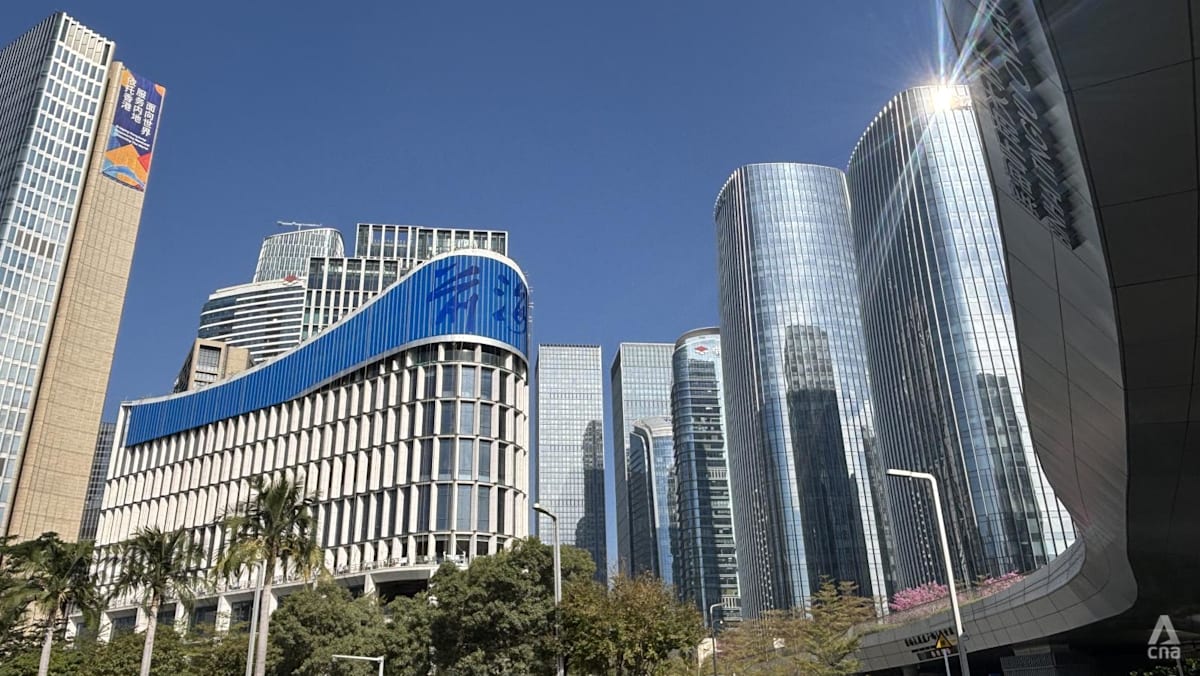
Shenzhen's newly developed economic zone, built on reclaimed land, symbolizes China's commitment to economic reform and opening up to global markets. This initiative aims to attract foreign investment and foster innovation, showcasing Shenzhen's role as a leading city in China's economic landscape.
Introduction
In a bold move to bolster its economic landscape, China has unveiled a new economic zone in Shenzhen, constructed on reclaimed land. This development is not just a physical expansion but a strategic initiative aimed at reinforcing China's ambitions for economic reform and global integration.
Shenzhen: The City of Innovation
Shenzhen, often referred to as China's Silicon Valley, has long been at the forefront of the country's technological advancements and economic reforms. The new economic zone is set to enhance this reputation, providing a fertile ground for startups and established companies alike to thrive. With its proximity to Hong Kong, Shenzhen is uniquely positioned to attract international businesses looking to tap into the vast Chinese market.
Strategic Importance of the Economic Zone
The newly established economic zone is designed to serve as a hub for innovation and entrepreneurship. It aims to attract foreign direct investment (FDI) and facilitate the development of high-tech industries, including artificial intelligence, biotechnology, and advanced manufacturing. This initiative aligns with China's broader goal of transitioning from an export-driven economy to one that emphasizes innovation and high-value production.
Infrastructure and Development
Built on reclaimed land, the economic zone showcases China's engineering prowess and commitment to sustainable urban development. The infrastructure within the zone is designed to support a modern business ecosystem, featuring state-of-the-art facilities, transportation networks, and digital connectivity. This investment in infrastructure is expected to create a conducive environment for businesses to operate efficiently and effectively.
Government Support and Policies
The Chinese government has implemented a range of policies to support the growth of this economic zone. These include tax incentives for foreign investors, streamlined administrative processes, and initiatives to foster collaboration between businesses and research institutions. Such measures are intended to create a vibrant business climate that encourages innovation and attracts global talent.
Global Reactions and Implications
The establishment of this economic zone has garnered attention from international investors and business leaders. Many view it as a signal of China's commitment to opening up its economy further, despite ongoing geopolitical tensions and trade disputes. The success of this initiative could serve as a model for other regions in China, potentially leading to similar developments across the country.
Challenges Ahead
While the prospects for Shenzhen's new economic zone are promising, challenges remain. Issues such as regulatory hurdles, competition from other global cities, and the need for a skilled workforce are critical factors that will determine the zone's success. Additionally, the global economic landscape is ever-changing, and Shenzhen must adapt to maintain its competitive edge.
Conclusion
Shenzhen's new economic zone represents a significant step in China's ongoing journey towards economic reform and globalization. As the city continues to innovate and attract investment, it stands poised to play a pivotal role in shaping the future of China's economy. The world will be watching closely to see how this ambitious initiative unfolds and its impact on both local and global markets.