Shenzhen: From Fishing Village to Global Tech Hub in Just One Generation
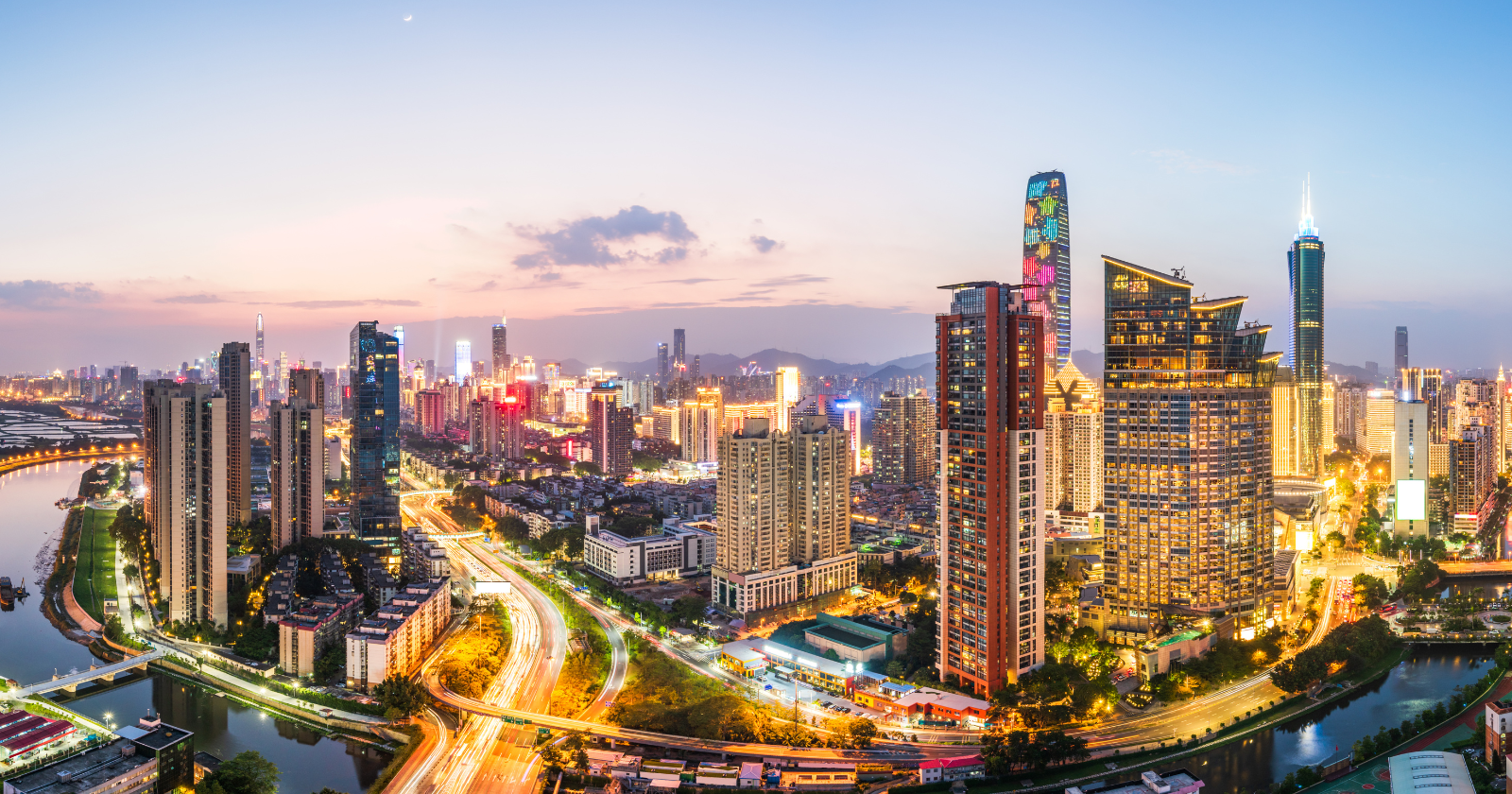
Shenzhen has transformed from a small fishing village into a bustling metropolis and a global technology powerhouse in just over four decades. This rapid growth has attracted major companies and millions of residents, reshaping the region's economic landscape.
The Transformation of Shenzhen
In 1979, the Chinese city of Shenzhen was a modest fishing village with a population of around thirty thousand people, nestled directly across the border from Hong Kong. Fast forward to today, and Shenzhen has undergone a remarkable transformation, boasting a population exceeding seventeen million and establishing itself as a global technology hub.
A Catalyst for Change
The pivotal moment for Shenzhen came in 1980 when it was designated as China’s first Special Economic Zone (SEZ). This designation was part of a broader strategy by the Chinese government to open up the economy and attract foreign investment. The SEZ status allowed for relaxed economic regulations and provided incentives for businesses, which catalyzed rapid urbanization and industrialization.
Home to Tech Giants
Today, Shenzhen is home to some of the largest technology companies in the world, including Huawei, Tencent, and BYD. These companies have not only contributed to the local economy but have also played a significant role in positioning China as a leader in technological innovation. Huawei, for instance, has become a global leader in telecommunications equipment and consumer electronics, while Tencent has revolutionized the digital landscape with its social media and gaming platforms.
Economic Impact
The economic impact of Shenzhen's transformation is profound. The city’s GDP has skyrocketed, making it one of the wealthiest cities in China. In 2021, Shenzhen's GDP reached approximately 2.8 trillion yuan (around $430 billion), reflecting a significant contribution to the national economy. The city has also become a magnet for talent, attracting skilled workers from across the country and abroad, further fueling its growth.
Urban Development and Infrastructure
Shenzhen’s rapid development has necessitated extensive urban planning and infrastructure development. The city is known for its modern skyline, featuring iconic structures such as the Ping An Finance Centre, which stands as one of the tallest buildings in the world. Public transportation has also seen significant improvements, with an extensive metro system that connects various parts of the city and reduces traffic congestion.
Challenges Ahead
Despite its successes, Shenzhen faces several challenges as it continues to grow. Issues such as housing affordability, environmental sustainability, and social inequality have emerged as critical concerns. The rapid influx of residents has driven up property prices, making it increasingly difficult for ordinary citizens to afford housing. Additionally, the city must address the environmental impact of its industrial activities and urban expansion.
The Future of Shenzhen
Looking ahead, Shenzhen aims to continue its trajectory as a global innovation hub. The local government has set ambitious goals to promote high-tech industries, including artificial intelligence, biotechnology, and green technology. Initiatives such as the Shenzhen Innovation and Entrepreneurship Competition encourage startups and entrepreneurs, fostering a culture of innovation.
Conclusion
Shenzhen's journey from a fishing village to a global technology powerhouse in just over four decades is a testament to the power of economic reform and innovation. As the city navigates the challenges of rapid growth, its ability to adapt and evolve will be crucial in maintaining its status as a leading player in the global economy.