Shein's Valuation Plummets 70% Ahead of Hong Kong IPO
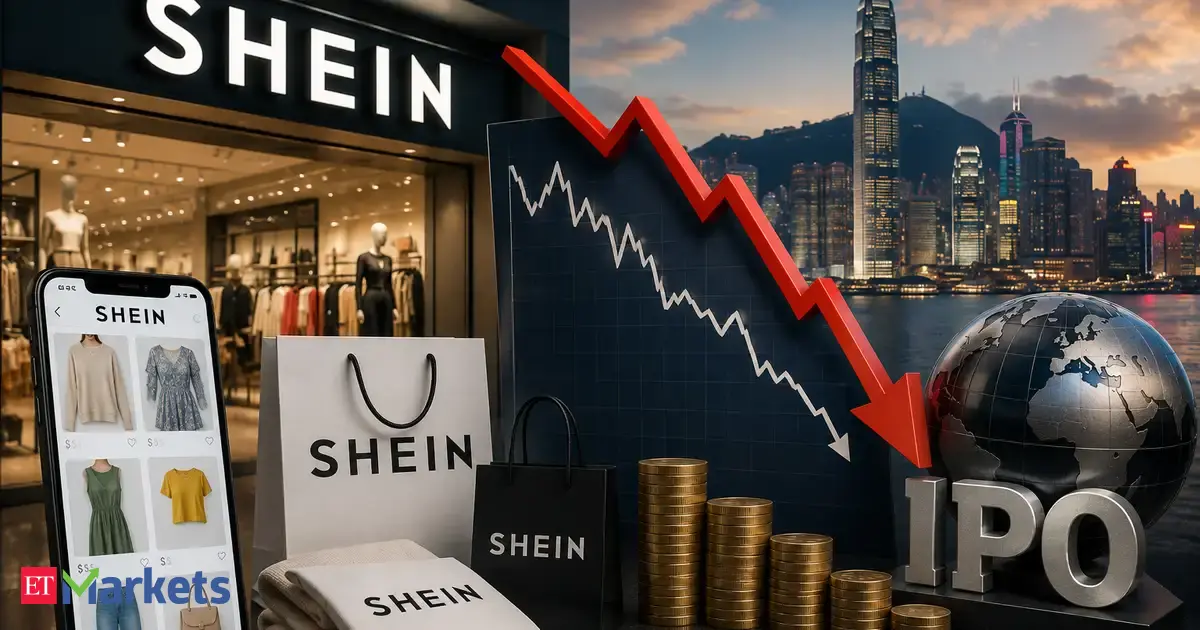
Fast-fashion giant Shein is set to raise $1.77 billion through its Hong Kong IPO, but its valuation has dropped significantly from its peak. This decline raises questions about the sustainability of the fast-fashion business model in a changing retail landscape.
Shein's Valuation Plummets 70% Ahead of Hong Kong IPO
In a striking turn of events, Shein, the Chinese fast-fashion retailer, has seen its valuation drop by a staggering 70% from its peak as it prepares for a much-anticipated initial public offering (IPO) in Hong Kong. The company, which has gained a massive following for its trendy and affordable clothing, is now aiming to raise approximately $1.77 billion through this IPO, but the significant decline in its valuation raises concerns about the future of the fast-fashion industry.
Once valued at $100 billion, Shein's current valuation is reflective of broader market trends and increasing scrutiny over the sustainability of fast fashion. With growing awareness of environmental issues and labor practices, consumers are becoming more discerning about their purchasing choices. This shift in consumer behavior is prompting investors to reconsider the long-term viability of companies like Shein, which have thrived on rapid production cycles and low prices.
The Fast Fashion Model Under Pressure
Shein's business model, characterized by its ability to quickly produce and distribute new styles, has been both a blessing and a curse. While the company has successfully captured the attention of a young, fashion-savvy demographic, it has also faced criticism for contributing to environmental degradation and unethical labor practices. As consumers become increasingly aware of these issues, many are opting for more sustainable fashion choices, putting pressure on fast-fashion brands to adapt or risk losing market share.
Analysts suggest that Shein's declining valuation is indicative of a broader trend within the retail sector, where traditional business models are being challenged by changing consumer preferences. The rise of sustainable fashion brands and the increasing popularity of second-hand shopping platforms are reshaping the landscape, forcing companies like Shein to rethink their strategies.
Market Response and Future Outlook
The market's response to Shein's IPO plans has been mixed. While the potential for raising $1.77 billion is significant, investors are wary of the company's ability to maintain growth in an increasingly competitive environment. The fast-fashion industry is notorious for its volatility, and Shein's recent valuation drop may signal a shift in investor sentiment.
Furthermore, regulatory scrutiny is also on the rise. Governments around the world are beginning to implement stricter regulations on fast fashion, focusing on environmental impact and labor rights. This regulatory landscape could pose additional challenges for Shein as it seeks to navigate its IPO and establish a more sustainable business model.
The Road Ahead
As Shein moves forward with its IPO, the company faces a critical juncture. It must not only address its declining valuation but also demonstrate a commitment to sustainability and ethical practices. Investors will be closely watching how Shein adapts to these challenges and whether it can regain consumer trust in a rapidly changing market.
Ultimately, Shein's future will depend on its ability to innovate and respond to the evolving demands of consumers. As the fast-fashion giant prepares for its IPO in Hong Kong, the industry will be watching closely to see if it can turn its fortunes around and redefine what it means to be a leader in the fashion retail space.