Shein's Hong Kong Trading Debut Highlights Concerns Over Its China Roots
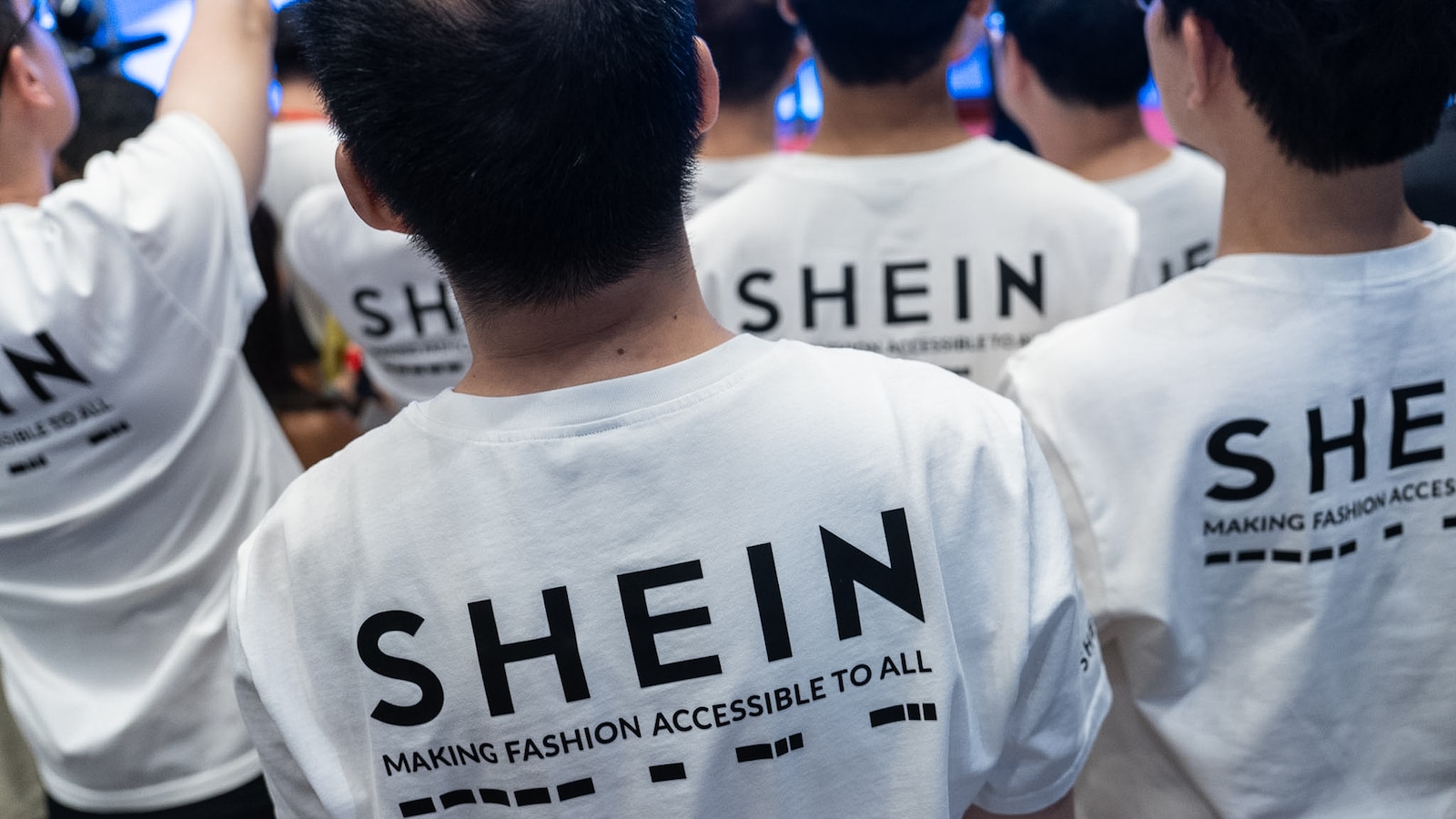
Fast-fashion giant Shein experienced a significant drop in its share price following its debut on the Hong Kong Stock Exchange. The decline raises questions about the company's ties to China amid increasing scrutiny from investors and consumers alike.
Shein's Market Performance Post-Debut
Fast-fashion giant Shein saw its shares tumble by 10% shortly after its trading debut on the Hong Kong Stock Exchange, a move that has drawn attention to the company's deep-rooted connections to China. Investors reacted negatively to the listing, reflecting broader concerns regarding the implications of Shein's origin in a market increasingly wary of Chinese companies.
Background on Shein
Founded in 2008, Shein has rapidly ascended to become one of the leading players in the fast-fashion industry, known for its ability to deliver trendy clothing at remarkably low prices. The company's business model relies heavily on a vast supply chain in China, allowing it to produce and distribute new styles at an unprecedented pace. However, this reliance on Chinese manufacturing has become a double-edged sword, particularly as geopolitical tensions rise and consumer sentiment shifts.
Investor Sentiment and Market Reactions
On its first day of trading, Shein's shares opened lower than anticipated, reflecting investor apprehension about the company's future prospects. Analysts have pointed to the increasing scrutiny of Chinese firms as a significant factor contributing to the stock's decline. Many investors are concerned about potential regulatory challenges and the impact of international trade relations on Shein's operations.
Regulatory Challenges and Consumer Sentiment
The backdrop of Shein's debut is marked by a growing trend of consumer awareness regarding the ethical implications of fast fashion, particularly regarding labor practices and environmental sustainability. Additionally, the company's Chinese roots have raised questions about transparency and corporate governance. As consumers become more conscious of where their products come from, brands like Shein may find it challenging to maintain their market share without addressing these concerns.
Future Outlook for Shein
Looking ahead, Shein faces a crucial juncture as it navigates the complexities of operating in a global market that is increasingly skeptical of Chinese enterprises. The company will need to bolster its corporate governance and transparency to regain investor confidence and appeal to a more discerning consumer base. Strategies may include diversifying its supply chain beyond China and enhancing its sustainability practices to align with the evolving expectations of consumers.
Conclusion
Shein's trading debut in Hong Kong has underscored the challenges facing Chinese companies in the international arena. As the fast-fashion giant grapples with its identity and market position, the coming months will be pivotal in determining whether it can adapt to the shifting landscape or if its ties to China will hinder its growth prospects.