Shein's Hong Kong Debut Faces Challenges Amid Trade and Regulatory Concerns
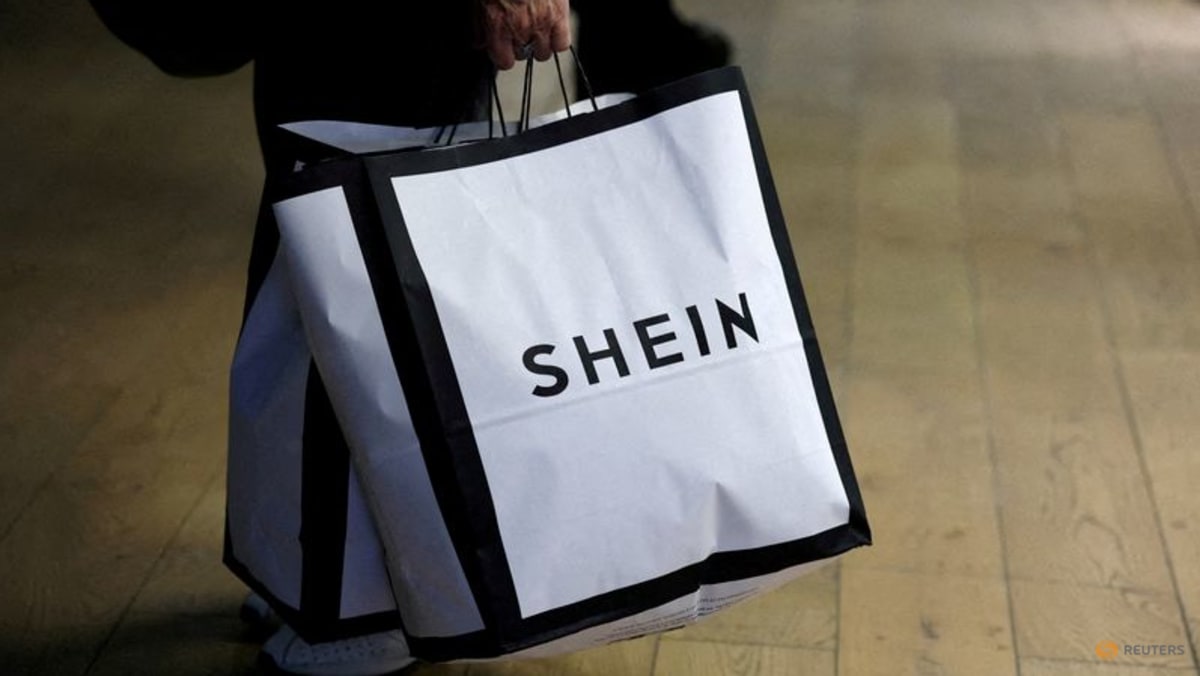
Shein, the fast-fashion giant, experienced a significant drop in shares during its debut on the Hong Kong Stock Exchange, raising alarms about potential trade and regulatory risks. Investors are cautious as the company navigates a complex landscape influenced by geopolitical tensions and changing consumer sentiments.
Shein's Market Entry
Shein, the renowned fast-fashion retailer, made its much-anticipated debut on the Hong Kong Stock Exchange on Wednesday, but the initial excitement quickly faded as shares slid amid growing concerns over trade and regulatory risks. The company's entry into the Asian financial hub was seen as a strategic move to tap into a broader market, but investors are now grappling with the implications of geopolitical tensions and evolving consumer preferences.
Initial Performance
Upon opening, Shein's shares fell sharply, reflecting investor apprehension. The stock opened at HK$90 but quickly dropped to HK$75, a 16.7% decline. Analysts attribute this downturn to a combination of factors, including fears surrounding the ongoing trade tensions between the United States and China, as well as increasing scrutiny from regulators regarding the fast-fashion industry’s environmental impact and labor practices.
Trade Tensions and Regulatory Scrutiny
The backdrop of Shein's debut is marked by heightened trade tensions that have characterized U.S.-China relations in recent years. With tariffs and trade barriers affecting the flow of goods, investors are wary of how these dynamics will impact Shein's supply chain and profitability. Additionally, the company faces increasing regulatory scrutiny, particularly in light of growing concerns about sustainability and ethical labor practices in the fast-fashion sector.
Consumer Sentiment
As consumers become more conscious of the environmental and social implications of their purchases, brands like Shein are under pressure to adapt. The fast-fashion model, which prioritizes rapid production and low prices, is increasingly being challenged by calls for more sustainable and ethical practices. This shift in consumer sentiment is prompting investors to reconsider the long-term viability of Shein's business model in a market that is evolving towards sustainability.
Market Reactions
Market analysts have expressed mixed reactions to Shein's debut. Some believe that the initial drop in share price is a temporary setback, while others caution that the company must address the underlying issues of sustainability and regulatory compliance to regain investor confidence. “The fast-fashion industry is at a crossroads, and Shein's ability to navigate these challenges will be crucial for its future growth,” said a market analyst from a leading investment firm.
Future Outlook
Looking ahead, Shein's management will need to implement strategies that not only address regulatory concerns but also resonate with a more environmentally conscious consumer base. The company has already begun to take steps in this direction by launching initiatives aimed at improving transparency in its supply chain and reducing its carbon footprint. However, the effectiveness of these initiatives remains to be seen, and investors will be closely monitoring Shein's progress.
Conclusion
In conclusion, while Shein's debut on the Hong Kong Stock Exchange was met with enthusiasm, the subsequent decline in share price highlights the challenges that lie ahead for the fast-fashion giant. As the company navigates a complex landscape of trade tensions, regulatory scrutiny, and shifting consumer preferences, its ability to adapt will be critical in determining its long-term success in the competitive retail market.