Shanghai Stock Index Steady After 1% Slide Amid Mideast Tensions
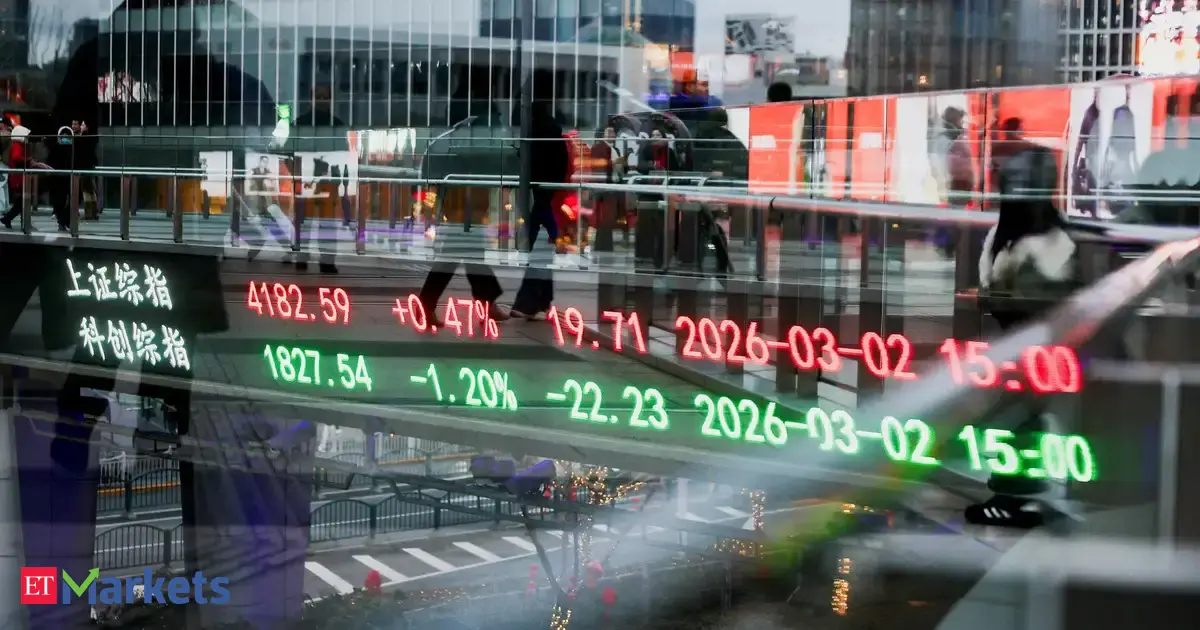
The Shanghai stock index showed resilience despite a 1% drop influenced by escalating tensions in the Middle East. Investors remain cautious as geopolitical uncertainties loom over global markets.
Shanghai Stock Index Shows Resilience Amid Global Concerns
The Shanghai stock index exhibited stability following a 1% decline, reflecting the ongoing pressures from escalating tensions in the Middle East. As investors navigate through a landscape of geopolitical uncertainties, the market's performance remains a focal point for analysts and economists alike.
Market Overview
On Monday, the Shanghai Composite Index opened at 3,200 points but faced downward pressure, closing at approximately 3,168 points. This marks a significant slide, attributed primarily to the heightened geopolitical tensions in the Middle East, particularly the ongoing conflict that has raised concerns about oil supply disruptions and broader economic implications.
Geopolitical Tensions Impacting Global Markets
The recent flare-up in the Middle East has sent shockwaves through global markets, with investors reacting to the potential for increased volatility. The situation has led to fears of rising oil prices, which could further strain economies already grappling with inflationary pressures. Analysts suggest that the uncertainty surrounding the geopolitical landscape is likely to keep investors on edge, influencing trading patterns across various sectors.
Investor Sentiment and Economic Indicators
Despite the recent downturn, some analysts remain cautiously optimistic about the long-term outlook for the Shanghai stock market. Economic indicators from Mainland China, including manufacturing data and consumer spending figures, suggest a resilient economy that may weather the storm of international tensions. However, investor sentiment remains fragile, as many are closely monitoring developments in the Middle East and their potential impact on global economic stability.
Sector Performance
In the wake of the geopolitical crisis, sectors such as energy and commodities have seen increased volatility. Oil prices surged in response to the tensions, prompting a ripple effect across related industries. Conversely, technology stocks, which have been a significant driver of growth in recent years, experienced mixed results as investors reassess their risk exposure in light of the current climate.
Looking Ahead
As the situation in the Middle East evolves, market participants are urged to remain vigilant. Analysts recommend keeping an eye on key economic indicators and geopolitical developments that could influence market dynamics. The Shanghai stock index's ability to maintain stability in the face of external pressures will be crucial for investor confidence moving forward.
Conclusion
The Shanghai stock index's recent performance underscores the intricate relationship between geopolitical events and market behavior. While the current tensions in the Middle East pose challenges, the resilience of the Chinese economy may provide a buffer against potential fallout. Investors are advised to stay informed and prepared for continued fluctuations as the global landscape evolves.