Self-Exiled Chinese Billionaire Guo Wengui Sentenced to 30 Years in US Prison for Massive Investor Fraud
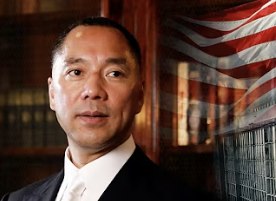
Guo Wengui, a self-exiled Chinese billionaire, has been sentenced to 30 years in prison in the United States for orchestrating a massive fraud scheme that defrauded investors out of hundreds of millions of dollars. The case highlights the complexities of international finance and the legal repercussions of fraudulent activities across borders.
Introduction
In a landmark case that underscores the intersection of international finance and law, Guo Wengui, a self-exiled Chinese billionaire, has been sentenced to 30 years in a United States federal prison. The sentencing, which took place on Thursday, follows Guo's conviction for orchestrating a massive investment fraud scheme that defrauded investors out of hundreds of millions of dollars.
Background of Guo Wengui
Guo Wengui, also known as Miles Kwok, is a controversial figure who fled China in 2014 and has since become a vocal critic of the Chinese Communist Party. His self-exile was marked by a series of high-profile allegations against Chinese officials, which he claimed were corrupt and oppressive. Guo's wealth primarily stemmed from his real estate ventures in China, but his subsequent activities in the U.S. have drawn scrutiny from both investors and law enforcement.
The Fraud Scheme
According to court documents, Guo operated a complex scheme that promised investors high returns on investments in various ventures, including a media company and a technology firm. However, instead of using the funds for legitimate business purposes, Guo diverted the money for personal expenses, including luxury real estate and extravagant lifestyles. Prosecutors estimated that Guo defrauded investors of approximately $1 billion.
Legal Proceedings
The investigation into Guo's activities began in 2020, leading to his arrest in March 2023. During the trial, prosecutors presented evidence of Guo's deceptive practices, including falsified documents and misleading statements made to investors. Guo maintained his innocence throughout the proceedings, claiming that the charges were politically motivated due to his outspoken criticism of the Chinese government.
Sentencing and Reactions
During the sentencing hearing, U.S. District Judge Xinyu Zhang expressed that Guo's actions had caused significant financial harm to his victims, many of whom were ordinary investors hoping to secure their financial futures. The judge emphasized the need for accountability in financial crimes, particularly those that exploit vulnerable individuals.
In response to the sentencing, Guo's legal team announced plans to appeal the decision, arguing that the trial was riddled with procedural errors and that the evidence presented was insufficient to warrant such a severe punishment. Supporters of Guo have also rallied around him, claiming that he is a political prisoner being persecuted for his anti-CCP stance.
Implications for International Finance
This case has broader implications for international finance, highlighting the challenges regulators face in addressing cross-border fraud. As global investment opportunities expand, so too do the risks associated with fraudulent schemes. The U.S. legal system's response to Guo's actions may serve as a precedent for future cases involving foreign nationals accused of financial crimes.
Conclusion
Guo Wengui's sentencing marks a significant moment in the ongoing battle against investment fraud and corruption. As the world becomes increasingly interconnected, the need for robust legal frameworks to protect investors and hold wrongdoers accountable is more critical than ever. The outcome of Guo's appeal will be closely watched, as it could influence future international legal proceedings involving financial misconduct.