Rising Tensions in Taiwan: A Closer Look at Regional Dynamics
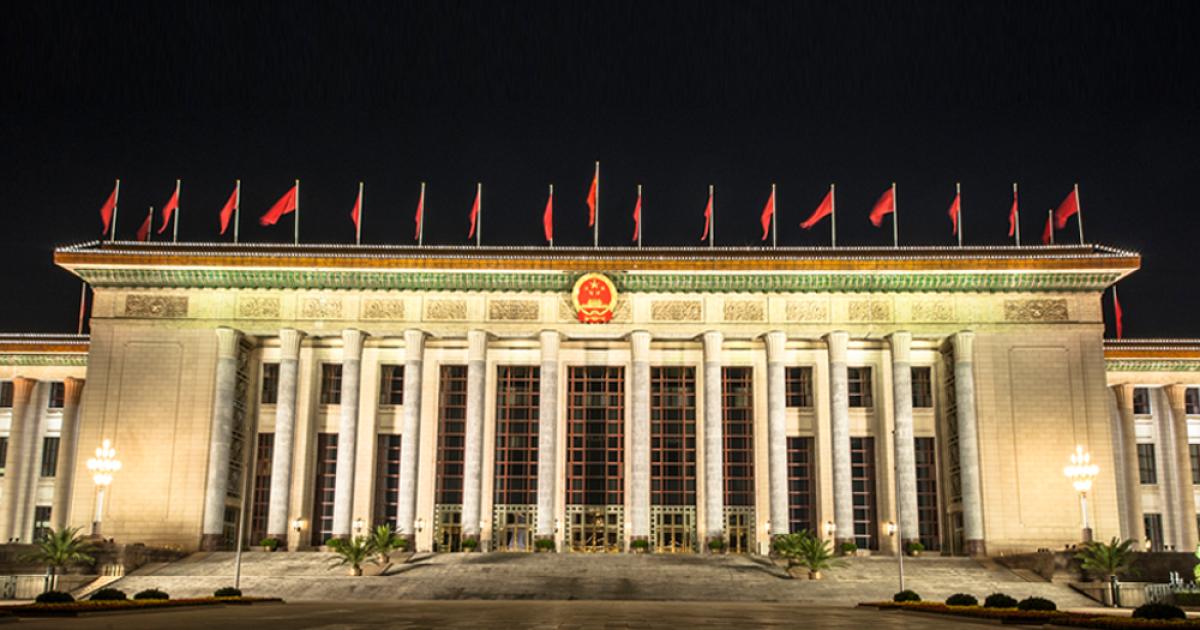
Taiwan's geopolitical significance continues to grow amidst rising tensions with Mainland China. This report explores the implications of these dynamics for regional stability and international relations.
Introduction
In recent years, Taiwan has emerged as a focal point of international attention, particularly in the context of its complex relationship with Mainland China. As tensions escalate, understanding the implications for regional stability and global diplomacy becomes increasingly crucial.
The Geopolitical Landscape
Taiwan, officially known as the Republic of China (ROC), has been self-governed since the end of the Chinese Civil War in 1949. However, the People's Republic of China (PRC) views Taiwan as a breakaway province that must be reunified with the mainland, by force if necessary. This longstanding dispute has significant implications for international relations, particularly as the United States and its allies navigate their own interests in the region.
Recent Developments
In the wake of heightened military activities by the PRC, including frequent incursions into Taiwan's air defense identification zone (ADIZ), the island has ramped up its defense capabilities. The Taiwanese government has invested significantly in modernizing its military, seeking to deter potential aggression from Beijing. Furthermore, Taiwan has strengthened its diplomatic ties with various nations, including the United States, which has reaffirmed its commitment to Taiwan's defense through arms sales and strategic partnerships.
International Reactions
The international community has reacted with increasing concern to the rising tensions in the Taiwan Strait. The U.S. has been vocal in its support for Taiwan, emphasizing the importance of maintaining peace and stability in the region. This support, however, has drawn ire from Beijing, which has warned that any form of U.S. intervention would be met with severe consequences. Other nations in the Asia-Pacific region, including Japan and Australia, have also expressed solidarity with Taiwan, recognizing the potential for conflict to disrupt regional security.
Economic Implications
Beyond military concerns, the situation in Taiwan has significant economic implications. Taiwan is a global leader in semiconductor manufacturing, and any disruption in its operations could have far-reaching effects on the global supply chain, particularly in technology sectors. The ongoing tensions have prompted discussions among international businesses about diversifying supply chains to mitigate risks associated with potential conflict.
The Role of Technology
As tensions rise, technology plays a dual role in the Taiwan issue. On one hand, advancements in communication and surveillance technologies are enhancing Taiwan's defense capabilities. On the other hand, the PRC's use of cyber warfare and disinformation campaigns poses a significant challenge to Taiwan's security and democratic processes. This technological battleground highlights the need for robust cybersecurity measures and public awareness campaigns to counter misinformation.
Conclusion
The situation in Taiwan is emblematic of broader geopolitical shifts in the Asia-Pacific region. As tensions continue to escalate, the international community must navigate a complex landscape of diplomacy, security, and economic interests. The stakes are high, not only for Taiwan but for regional stability and global peace. As the world watches closely, the actions taken by both Taiwan and Mainland China will be pivotal in shaping the future of the region.