Revolutionizing Air Cargo Operations: The Role of AI-Native Logistics
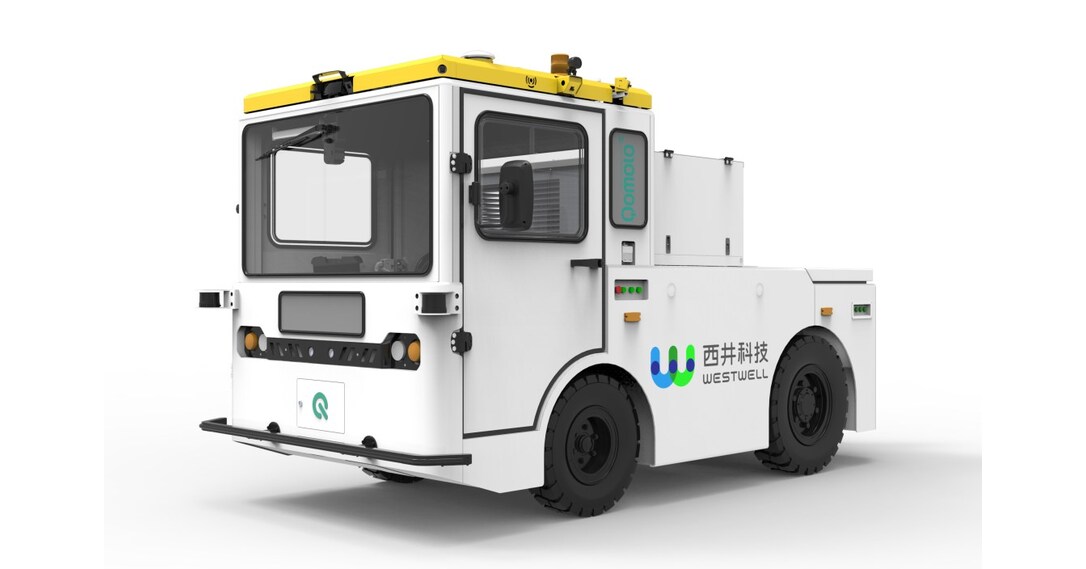
Westwell is pioneering a new era in air cargo operations through the integration of AI-driven logistics solutions. This innovative approach aims to enhance efficiency, reduce costs, and streamline global supply chains.
Introduction
In an era characterized by rapid technological advancements, the logistics industry is undergoing a significant transformation. Westwell, a leading player in the air cargo sector, is at the forefront of this change, leveraging artificial intelligence (AI) to rebuild and optimize air cargo operations. This report delves into how AI-native logistics are reshaping the landscape of air freight, enhancing efficiency, and addressing the challenges posed by traditional logistics methods.
The Need for Innovation in Air Cargo
The air cargo industry has long been plagued by inefficiencies, high operational costs, and an inability to adapt swiftly to changing market demands. With the global economy increasingly reliant on rapid delivery of goods, the need for innovative solutions has never been more pressing. Traditional logistics models often struggle to keep pace with the complexities of modern supply chains, leading to delays and increased costs.
AI-Native Logistics: A Game Changer
Westwell's approach to air cargo operations centers around AI-native logistics, which utilize advanced algorithms and machine learning to analyze vast amounts of data in real-time. This technology enables logistics providers to make informed decisions quickly, optimizing routes, reducing transit times, and minimizing costs. By harnessing the power of AI, Westwell aims to create a more agile and responsive air cargo network.
Key Benefits of AI-Driven Solutions
One of the primary advantages of AI-native logistics is the ability to predict demand patterns accurately. By analyzing historical data and current market trends, Westwell can anticipate fluctuations in cargo volumes, allowing for better resource allocation and planning. This predictive capability not only enhances operational efficiency but also improves customer satisfaction by ensuring timely deliveries.
Moreover, AI can streamline the booking process, automating routine tasks that traditionally required human intervention. This not only reduces the risk of errors but also frees up staff to focus on more strategic activities. As a result, logistics companies can operate more efficiently, ultimately leading to cost savings that can be passed on to customers.
Enhancing Sustainability in Air Cargo
In addition to improving operational efficiency, AI-native logistics also play a crucial role in promoting sustainability within the air cargo sector. By optimizing flight paths and reducing fuel consumption, these technologies contribute to lower carbon emissions. Westwell is committed to integrating sustainable practices into its operations, recognizing that environmental responsibility is not just a trend but a necessity in today’s business landscape.
Challenges and Considerations
While the benefits of AI-native logistics are clear, the transition to these advanced systems is not without challenges. Companies must invest in technology and training to ensure that their workforce is equipped to handle new tools and processes. Additionally, data security and privacy concerns must be addressed, as the reliance on data-driven solutions increases.
Looking Ahead: The Future of Air Cargo Operations
As the air cargo industry continues to evolve, the integration of AI-native logistics will likely become a standard practice rather than an exception. Companies like Westwell are leading the charge, demonstrating that embracing technology is essential for staying competitive in a fast-paced global market. The future of air cargo operations is bright, with the potential for increased efficiency, reduced costs, and a more sustainable approach to logistics.
Conclusion
Westwell's innovative use of AI-native logistics marks a significant step forward in the air cargo industry. By addressing the challenges of traditional logistics and embracing cutting-edge technology, Westwell is not only enhancing operational efficiency but also paving the way for a more sustainable future in air freight. As the industry adapts to these changes, stakeholders must remain vigilant and proactive in leveraging technology to meet the demands of a dynamic global economy.