Revitalizing Urban Spaces: The Impact of Pedestrianisation in Hong Kong
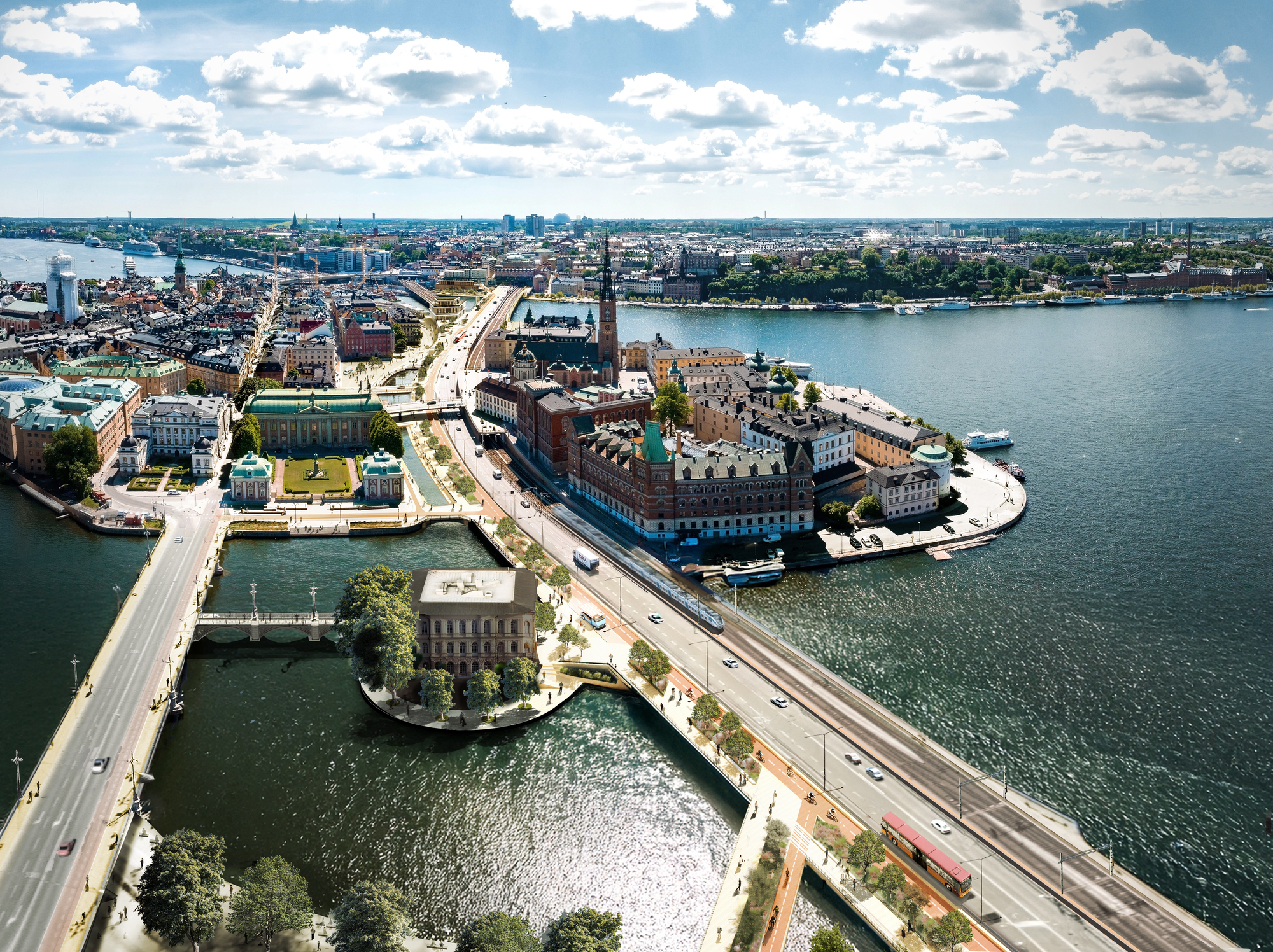
Hong Kong is embracing pedestrianisation initiatives to enhance urban life, with UNStudio's Central Yards Theatre leading the charge. This report explores how these changes are shaping the city's landscape and community interactions.
Introduction
In a bold move to transform urban living, Hong Kong is increasingly adopting pedestrianisation initiatives aimed at revitalizing its bustling streets and enhancing the quality of life for residents and visitors alike. The recent unveiling of UNStudio’s Central Yards Theatre serves as a prime example of how innovative design can facilitate these changes, making the city more accessible and enjoyable.
The Shift Towards Pedestrianisation
Pedestrianisation refers to the process of restricting vehicle access to certain areas, thereby prioritizing pedestrians and creating more vibrant public spaces. In Hong Kong, where dense urban environments often lead to congested streets, this initiative is seen as a necessary step towards improving air quality, reducing noise pollution, and fostering community interactions.
As cities worldwide grapple with the challenges of urbanization, Hong Kong’s approach stands out for its unique blend of cultural heritage and modern design. The government has recognized the need for a more livable city, and pedestrianisation is at the forefront of this vision.
UNStudio’s Central Yards Theatre: A Case Study
UNStudio’s Central Yards Theatre, located in the heart of Hong Kong, exemplifies the potential of pedestrian-friendly design. The theatre is not just a cultural venue; it is a catalyst for urban regeneration. By integrating green spaces, open areas, and pedestrian pathways, the theatre encourages community engagement and enhances the overall aesthetic of the area.
The design promotes a seamless flow between indoor and outdoor spaces, allowing visitors to enjoy the surrounding environment while attending performances or participating in community events. This integration of nature and culture is essential in a city that often feels overwhelmed by its fast-paced lifestyle.
Benefits of Pedestrianisation
The benefits of pedestrianisation extend beyond mere aesthetics. Studies have shown that pedestrian-friendly environments can lead to increased foot traffic, boosting local businesses and fostering a sense of community. As more people are encouraged to walk, cycle, or use public transport, the reliance on cars decreases, contributing to a reduction in greenhouse gas emissions.
Moreover, pedestrianisation initiatives can significantly improve public health. With more space for walking and recreational activities, residents are likely to lead more active lifestyles, reducing the risk of lifestyle-related diseases. The emphasis on green spaces also provides mental health benefits, offering residents a respite from the urban hustle.
Challenges Ahead
Despite the promising outlook, the transition to pedestrian-friendly urban spaces is not without its challenges. Opposition from business owners concerned about potential losses from reduced vehicle access, as well as logistical issues related to public transport, must be addressed. Engaging stakeholders, including local communities, businesses, and urban planners, is crucial in creating a balanced approach that meets the needs of all parties involved.
Furthermore, the success of pedestrianisation initiatives relies heavily on effective urban planning and infrastructure development. Ensuring that pedestrian pathways are safe, well-maintained, and adequately connected to public transport systems is essential for encouraging widespread adoption.
Conclusion
Hong Kong’s commitment to pedestrianisation, exemplified by projects like UNStudio’s Central Yards Theatre, marks a significant step towards creating a more sustainable and livable urban environment. As the city continues to evolve, the integration of pedestrian-friendly initiatives will play a pivotal role in shaping its future. By prioritizing people over vehicles, Hong Kong is not only enhancing its urban landscape but also fostering a stronger sense of community and well-being among its residents.