Reimagining Urban Spaces: Hong Kong's Elevated Networks and Climate Resilience
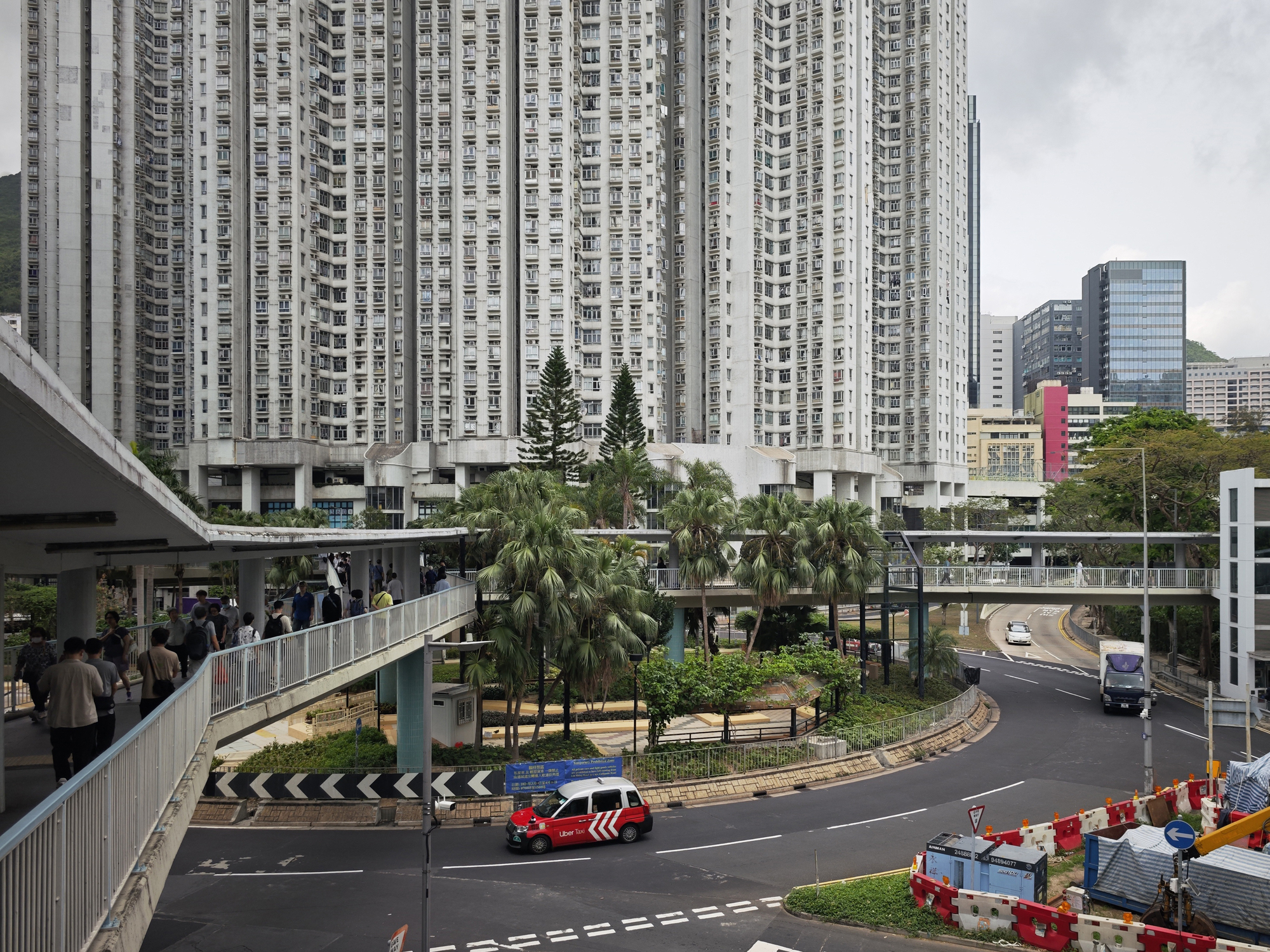
Hong Kong's unique elevated networks are being reexamined as a solution to urban challenges and climate change. This report explores how these structures can enhance commerce and community engagement while addressing environmental concerns.
Introduction
In the bustling metropolis of Hong Kong, where space is at a premium and the threat of climate change looms large, innovative urban planning is more crucial than ever. The city’s elevated networks, which have long been a hallmark of its architectural landscape, are now being reimagined as vital components in the fight against climate change and urban congestion. This report delves into the evolution of these networks and their potential to reshape the city’s future.
The Evolution of Elevated Networks
Hong Kong's elevated walkways and bridges, originally designed to facilitate pedestrian movement and commercial activity, have become integral to the city’s identity. These structures, which include the iconic Central-Mid-Levels Escalator and various sky bridges, not only connect neighborhoods but also serve as vital conduits for commerce. As climate change accelerates the need for sustainable urban solutions, these elevated pathways are being reconsidered for their potential to enhance urban resilience.
Climate Resilience and Urban Planning
With rising sea levels and extreme weather events becoming more frequent, Hong Kong faces significant environmental challenges. The city's urban planners are now looking to its elevated networks as a means of mitigating these risks. By encouraging the use of these structures, planners can reduce the reliance on ground-level infrastructure that is vulnerable to flooding and other climate-related impacts.
Moreover, the integration of green spaces into these elevated structures can help combat urban heat, improve air quality, and provide residents with much-needed recreational areas. Initiatives to incorporate vegetation and sustainable materials into the design of elevated walkways are already underway, showcasing a commitment to both environmental sustainability and community well-being.
Enhancing Commerce and Community Engagement
The elevated networks of Hong Kong have historically played a crucial role in fostering economic activity. By providing a safe and efficient means for pedestrians to navigate the city, these structures have facilitated the growth of local businesses and tourism. As the city continues to evolve, there is a growing recognition of the need to enhance these networks further.
Recent proposals include the addition of pop-up markets, art installations, and community spaces along the elevated pathways. Such initiatives not only promote local commerce but also encourage community engagement and cultural exchange. By transforming these networks into vibrant public spaces, Hong Kong can create a more inclusive urban environment that reflects the diverse needs of its residents.
Challenges Ahead
While the potential benefits of reimagining Hong Kong’s elevated networks are significant, challenges remain. The city's dense population and complex urban fabric necessitate careful planning and execution. Balancing the needs of pedestrians, businesses, and environmental sustainability will require innovative solutions and collaboration among various stakeholders.
Furthermore, funding and investment in these projects will be crucial. As the government and private sector explore partnerships, the focus must remain on creating equitable access to these elevated spaces for all residents, regardless of socioeconomic status.
Conclusion
Hong Kong's elevated networks represent more than just a means of transportation; they are a vital part of the city's identity and a potential cornerstone of its climate resilience strategy. As urban planners and policymakers continue to explore innovative ways to enhance these structures, the future of Hong Kong’s urban landscape could be one that harmonizes commerce, community, and environmental sustainability. The journey toward a more resilient and inclusive city is just beginning, and the elevated networks will undoubtedly play a pivotal role in shaping that future.