Rediscovering 'The Green Hornet': A 1968 Martial Arts Classic That Redefines Western Cinema
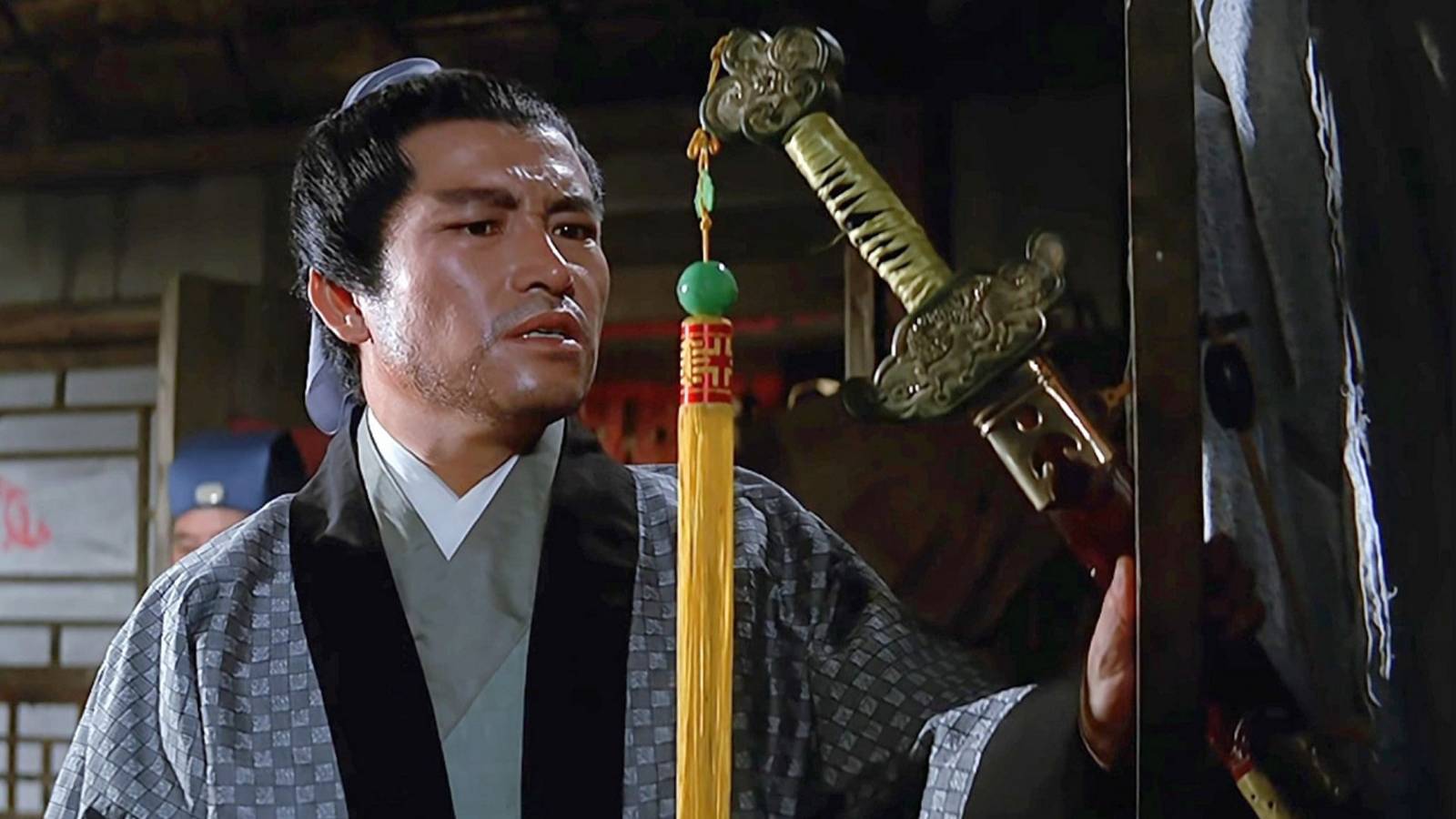
The 1968 film 'The Green Hornet' is a hidden gem that combines martial arts with Western themes, offering a unique perspective on heroism and justice. This article explores the film's cultural significance and its enduring legacy in the martial arts genre.
Introduction
In the realm of cinema, certain films become iconic, shaping genres and influencing countless others. However, some masterpieces remain underrated, overshadowed by their more popular counterparts. One such film is the 1968 martial arts classic 'The Green Hornet,' which not only showcases exceptional fight choreography but also delves into profound themes of justice and morality that resonate deeply within Western cinema.
A Brief Overview of 'The Green Hornet'
'The Green Hornet,' directed by the legendary martial artist Bruce Lee, is an adaptation of the radio series and television show of the same name. The film stars Van Williams as the titular character, a masked vigilante who, alongside his sidekick Kato, played by Lee, fights against crime and corruption in a city plagued by injustice. While the film may not have garnered the same level of fame as other martial arts films of its time, it offers a unique blend of action and narrative depth that deserves recognition.
Thematic Depth and Cultural Significance
At its core, 'The Green Hornet' explores the complexities of heroism and the moral ambiguity that often accompanies the fight for justice. Unlike traditional Westerns that often portray clear-cut heroes and villains, this film presents a more nuanced view of morality. The Green Hornet and Kato operate outside the law, challenging the very systems that are meant to protect society. This theme of vigilantism resonates with contemporary audiences, reflecting ongoing debates about justice and the role of law enforcement.
Martial Arts as a Narrative Device
What sets 'The Green Hornet' apart from other films of its era is its innovative use of martial arts as a narrative device. Bruce Lee's choreography is not merely a spectacle; it serves to enhance the storytelling, illustrating the characters' struggles and triumphs. The fight scenes are intricately woven into the plot, elevating the film from a simple action flick to a thoughtful exploration of conflict and resolution. Lee's influence on the martial arts genre is undeniable, and 'The Green Hornet' showcases his talent in a way that few films have managed to achieve.
Legacy and Influence
Despite its initial reception, 'The Green Hornet' has left an indelible mark on both martial arts and Western cinema. The film paved the way for future adaptations and inspired a generation of filmmakers and martial artists. Its impact can be seen in the resurgence of interest in martial arts films during the 1970s and beyond, culminating in the global phenomenon that martial arts cinema has become today.
Conclusion
As audiences continue to seek out diverse narratives and fresh perspectives in film, 'The Green Hornet' stands as a testament to the power of storytelling through martial arts. It challenges viewers to reconsider their perceptions of heroism and justice, making it a timeless piece that deserves to be revisited. In an era where the lines between right and wrong are increasingly blurred, this 1968 gem reminds us that the fight for justice is often complicated, and that true heroism lies in the courage to confront those complexities.