Rediscovering A 1968 Martial Arts Classic: A Timeless Exploration of Western Themes
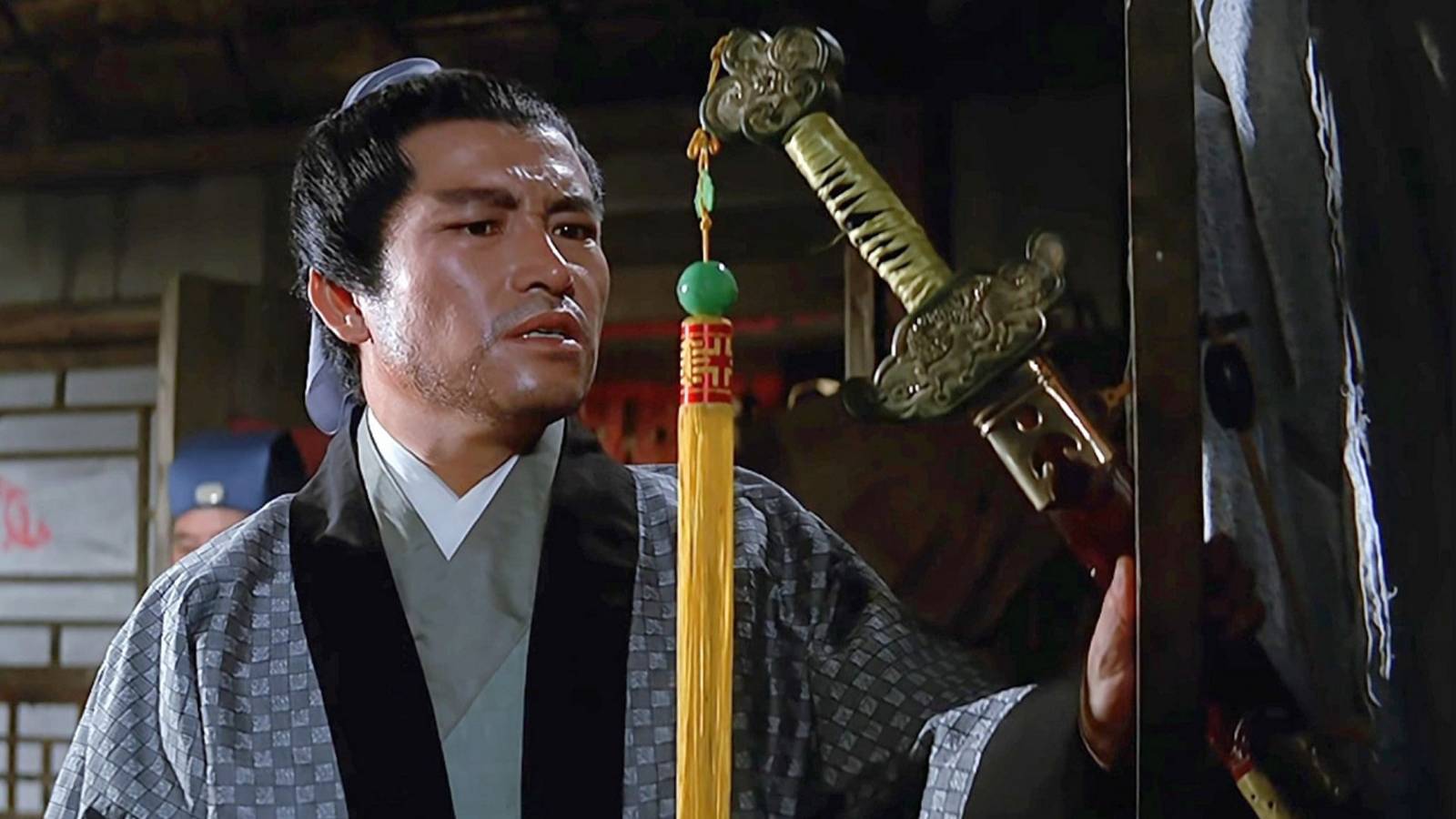
The 1968 martial arts film, often overshadowed by its contemporaries, offers a profound take on themes prevalent in Western cinema. This report delves into its cultural significance and the reasons it deserves a second look.
The Underrated Gem of 1968
In the pantheon of martial arts cinema, several films have rightfully claimed their place in history, yet one gem from 1968 remains largely underrated: The Green Hornet. While it may not have garnered the same level of acclaim as its peers, this film stands out for its unique interpretation of themes that resonate deeply within the Western genre. The film's exploration of heroism, justice, and the struggle against tyranny is as relevant today as it was over five decades ago.
A Fusion of Cultures
What sets The Green Hornet apart is its ability to merge Eastern martial arts with Western storytelling. The film’s protagonist, played by the legendary Bruce Lee, embodies the archetypal hero found in Westerns, yet he does so through the lens of martial arts philosophy. This fusion not only broadens the appeal of the film but also serves as a cultural bridge, inviting audiences from different backgrounds to engage with its narrative.
Heroism and Justice
At its core, The Green Hornet grapples with the concept of heroism. The film portrays its protagonist as a vigilante who fights against crime and corruption, a theme that is a staple in Western narratives. However, unlike traditional Western heroes who often operate within the law, the Green Hornet operates in a moral gray area, challenging the audience’s perception of justice. This complexity adds depth to the character and invites viewers to reflect on the nature of heroism in a world rife with moral ambiguity.
The Influence of Martial Arts
Bruce Lee’s influence on martial arts cinema cannot be overstated. In The Green Hornet, he not only showcases his incredible fighting skills but also introduces audiences to the philosophical underpinnings of martial arts. The film serves as an early platform for Lee to express his beliefs about discipline, respect, and the pursuit of self-improvement. These themes resonate with audiences, particularly in a time when the world was grappling with social upheaval and change.
A Reflection of Its Time
Released during a period of significant social change in the late 1960s, The Green Hornet reflects the era's tensions and aspirations. The film's portrayal of a minority hero fighting against systemic injustice resonates with contemporary audiences, making it a relevant piece of cinema even today. As discussions around race, justice, and representation continue to evolve, revisiting this film offers valuable insights into how these themes have been explored in the past.
Why It Deserves a Second Look
Despite its initial reception, The Green Hornet deserves recognition for its groundbreaking approach to storytelling and its cultural significance. As audiences increasingly seek diverse narratives that challenge traditional tropes, this film stands out as a precursor to the modern martial arts genre. Its blend of action, philosophy, and social commentary makes it a must-watch for both fans of martial arts and cinema enthusiasts alike.
Conclusion
In conclusion, the 1968 film The Green Hornet is more than just a martial arts movie; it is a cultural artifact that encapsulates the struggles and aspirations of its time while providing a timeless exploration of heroism and justice. As we continue to celebrate and analyze the evolution of cinema, it is essential to revisit these underrated classics that have shaped the landscape of film and continue to inspire new generations.