Record-Breaking Gas Prices: City Hits $15 a Gallon
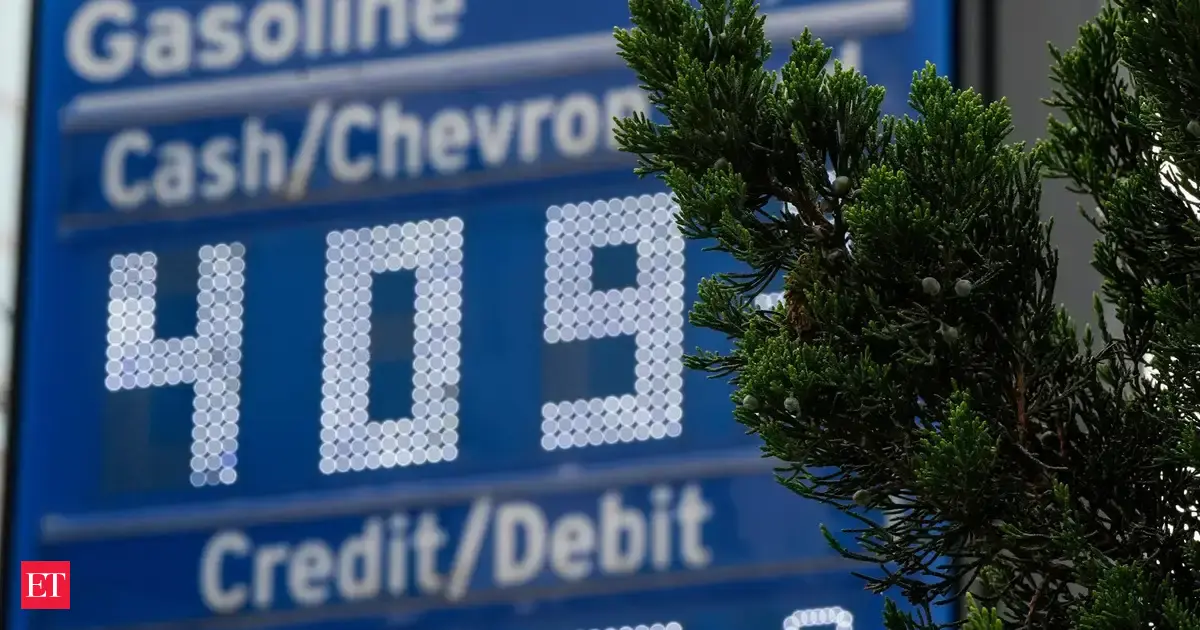
A city in the United States has made headlines for reaching an astonishing $15 per gallon for gasoline, raising concerns about the impact on consumers and the economy. Experts analyze the causes and potential implications of these unprecedented fuel prices.
Introduction
In a shocking turn of events, a city in the United States has recorded the highest gasoline prices in the world, with costs soaring to an unprecedented $15 per gallon. This alarming milestone has sparked widespread concern among consumers and policymakers alike, prompting discussions about the implications for the economy and everyday life.
The Current Situation
The city, which has not been officially named in reports, has seen its fuel prices skyrocket due to a combination of factors, including supply chain disruptions, geopolitical tensions, and soaring crude oil prices. As residents fill their tanks, many are left reeling from the financial burden, with some questioning how they will afford their daily commutes.
Factors Contributing to High Gas Prices
Several factors have contributed to this record-breaking price surge. The ongoing conflict in Eastern Europe has led to instability in oil production, while the COVID-19 pandemic has caused significant disruptions in global supply chains. Additionally, increased demand as economies recover has put further pressure on fuel prices.
Experts point out that the city's unique geographical and economic circumstances have exacerbated the situation. With limited access to alternative fuel sources and a heavy reliance on imported oil, residents are particularly vulnerable to fluctuations in the global oil market.
Impact on Consumers
The financial strain of $15 per gallon gas is already being felt by consumers, with many reporting that they are cutting back on non-essential spending to accommodate rising fuel costs. Transportation costs have surged, affecting everything from daily commutes to the price of goods and services.
Local businesses are also feeling the pinch, as delivery costs rise and customers become more cautious with their spending. The ripple effects of these gas prices could lead to a slowdown in economic activity, as consumers prioritize essentials over discretionary purchases.
Government Response
In response to the crisis, local government officials are exploring various measures to alleviate the burden on residents. Proposals include temporary tax relief on fuel sales and initiatives to promote alternative transportation options, such as public transit and electric vehicles.
However, experts warn that these measures may only provide temporary relief. Long-term solutions will require a comprehensive approach to energy policy, including investments in renewable energy sources and infrastructure improvements.
The Broader Implications
The situation in this city serves as a stark reminder of the vulnerabilities inherent in global energy markets. As fuel prices continue to rise, the potential for widespread economic disruption looms large.
Analysts suggest that this crisis could accelerate the transition towards more sustainable energy practices, as consumers and businesses alike seek alternatives to traditional fossil fuels. The current situation may serve as a wake-up call for policymakers to prioritize energy independence and sustainability in their agendas.
Conclusion
The record-breaking gas prices in this unnamed city highlight the complex interplay between global events and local economies. As residents grapple with the financial implications of $15 per gallon gas, the broader conversation about energy policy and sustainability becomes increasingly urgent. The world will be watching closely to see how this situation unfolds and what it means for the future of fuel prices and energy consumption.