Record-Breaking Gas Prices: A Closer Look at the World's Most Expensive Fuel in Hong Kong
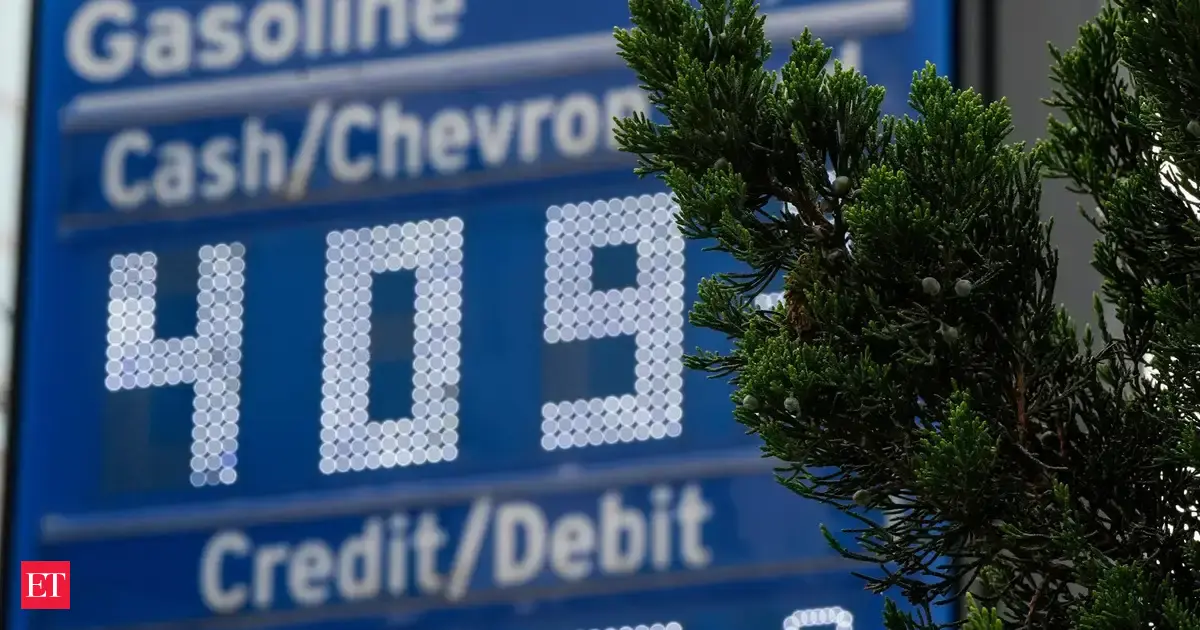
Hong Kong has recently been reported to have the highest gas prices globally, reaching an astonishing $15 a gallon. This article explores the implications of these soaring costs on residents and the economy.
Introduction
In a shocking revelation, Hong Kong has emerged as the city with the world's most expensive gas prices, with rates soaring to an unprecedented $15 a gallon. This alarming statistic has raised eyebrows globally, prompting discussions about the economic implications and the daily struggles faced by residents in this bustling metropolis.
The Price Surge: What’s Behind the Numbers?
The surge in gas prices in Hong Kong can be attributed to several factors, including rising global oil prices, supply chain disruptions, and local taxation policies. As the world grapples with the aftermath of the COVID-19 pandemic, fuel demand has surged, leading to increased prices across the board. In Hong Kong, however, the situation is exacerbated by the high taxes imposed on fuel, which can account for as much as 40% of the total price at the pump.
Impact on Residents and Daily Life
The impact of these soaring gas prices is felt acutely by residents, particularly those who rely on vehicles for their daily commute. With public transportation being a common alternative, the rising costs are forcing many to reconsider their travel options. The financial burden is particularly heavy for families and low-income individuals, who find it increasingly difficult to manage their budgets amid rising living costs.
Economic Implications
The economic ramifications of such high gas prices extend beyond individual households. Businesses that depend on transportation for logistics and delivery services are also feeling the pinch. Increased fuel costs can lead to higher operational expenses, which may subsequently be passed on to consumers in the form of elevated prices for goods and services. This creates a ripple effect that can stifle consumer spending and slow economic growth in the region.
Government Response and Future Outlook
In response to the crisis, the Hong Kong government has been urged to consider measures that could alleviate the burden on residents. Suggestions include reducing fuel taxes, providing subsidies for public transportation, or investing in alternative energy sources to reduce dependency on fossil fuels. However, with the current geopolitical climate and fluctuating oil prices, any immediate relief seems uncertain.
Global Context: Comparisons with Other Cities
While Hong Kong holds the dubious title of the most expensive gas prices, it is not alone in facing high fuel costs. Cities like Los Angeles and London have also seen significant increases, albeit not to the same extreme. The global nature of the oil market means that fluctuations affect various regions differently, but Hong Kong's unique economic structure and taxation policies have placed it at the forefront of this crisis.
Conclusion
The staggering gas prices in Hong Kong serve as a stark reminder of the interconnectedness of global economies and the direct impact of international markets on local communities. As residents navigate this challenging landscape, the hope is that both government and private sectors will work collaboratively to find sustainable solutions that can ease the financial strain on families and businesses alike.