Protests Erupt During Xi Jinping's Dinner in Beijing
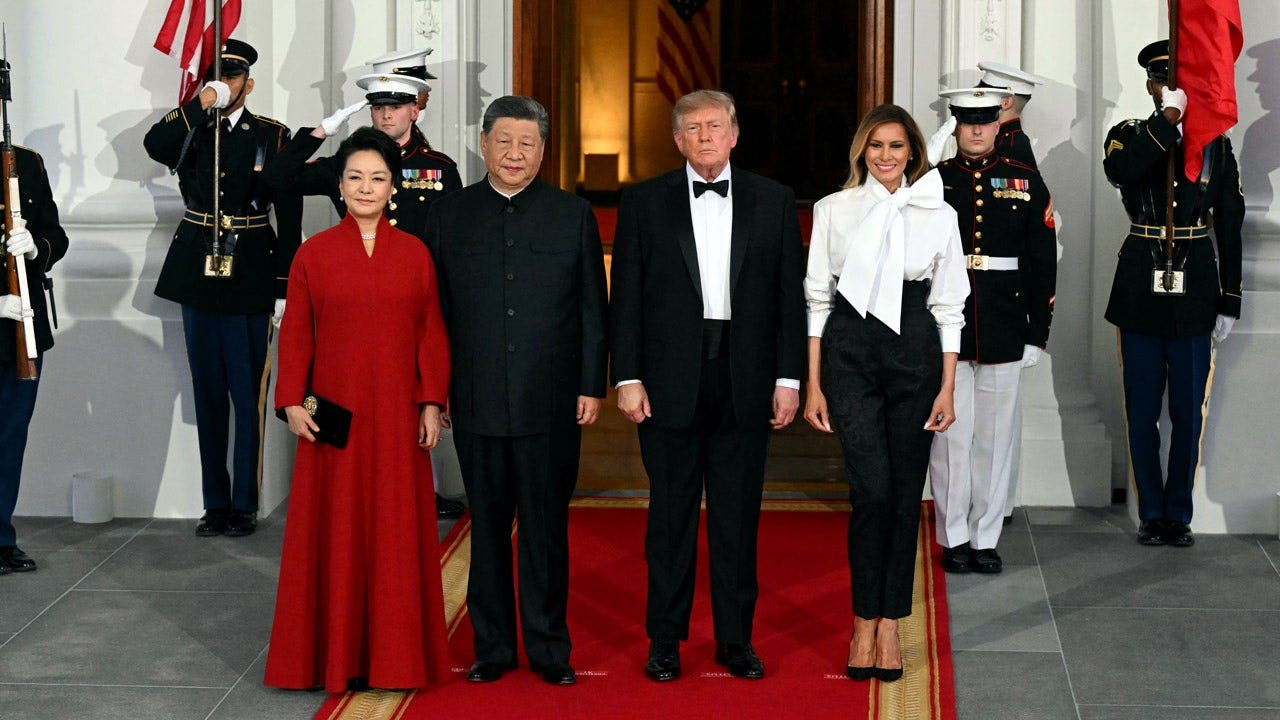
Protesters voiced their dissent during a high-profile dinner attended by Chinese President Xi Jinping, highlighting growing discontent in the country. The demonstration, marked by chants and banners, underscores the challenges Xi faces amid increasing calls for reform.
Protests Erupt During Xi Jinping's Dinner in Beijing
In a striking display of public dissent, protesters gathered outside a lavish dinner hosted by Chinese President Xi Jinping in Beijing, making their voices heard amidst the opulence of the event. The demonstration, which coincided with a gathering of political elites, has drawn significant attention, signaling a growing wave of discontent among the populace.
The dinner, intended to showcase China's achievements and foster diplomatic ties, was overshadowed by chants of 'Down with Xi!' and 'We want freedom!' from the demonstrators. Eyewitnesses reported that the noise from the protesters was so loud it could be heard inside the venue, creating an uncomfortable atmosphere for the attendees.
This incident reflects a broader trend of increasing public unrest in China, where citizens are voicing their frustrations over a range of issues, including economic challenges, government censorship, and human rights abuses. The protests come at a time when Xi's administration is facing scrutiny both domestically and internationally, particularly in light of the country's stringent COVID-19 policies and their aftermath.
Experts suggest that the protests may indicate a shift in public sentiment, as citizens become more emboldened to express their dissatisfaction with the government. The use of social media to organize and amplify dissenting voices has made it increasingly difficult for authorities to suppress such movements effectively.
During the dinner, which was attended by high-ranking officials and foreign dignitaries, Xi attempted to project an image of stability and control. However, the protests served as a stark reminder of the underlying tensions that continue to simmer beneath the surface of Chinese society. Activists and ordinary citizens alike are increasingly frustrated with the lack of political reform and the government's heavy-handed approach to dissent.
One protester, who wished to remain anonymous, stated, 'We are tired of living in fear. We want to express our opinions without the threat of arrest. This is our country too, and we deserve a voice.' Such sentiments resonate with many who feel marginalized by the current political climate.
The Chinese government has historically responded to protests with a combination of censorship and crackdowns, often leading to arrests and detentions of those involved. In recent years, the authorities have intensified their efforts to control the narrative surrounding dissent, employing advanced surveillance technologies and social media monitoring to stifle opposition.
As the world watches, the outcome of these protests remains uncertain. While the Chinese Communist Party has maintained a tight grip on power, the increasing visibility of dissent could signal a turning point in the relationship between the government and its citizens. Analysts warn that if the government fails to address the underlying issues driving public discontent, it may face even larger protests in the future.
In the wake of the dinner demonstration, there are calls for international attention to be directed toward the human rights situation in China. Activists argue that the global community must hold the Chinese government accountable for its actions and support the voices of those advocating for change.
As Xi Jinping continues to navigate the complexities of leadership in a rapidly changing world, the echoes of protest outside his dinner table serve as a potent reminder that the voices of the people cannot be easily silenced.