Ping An Good Doctor CEO He Mingke Highlights China's Transition into the 'Longevity Era' at 2026 Summer Davos
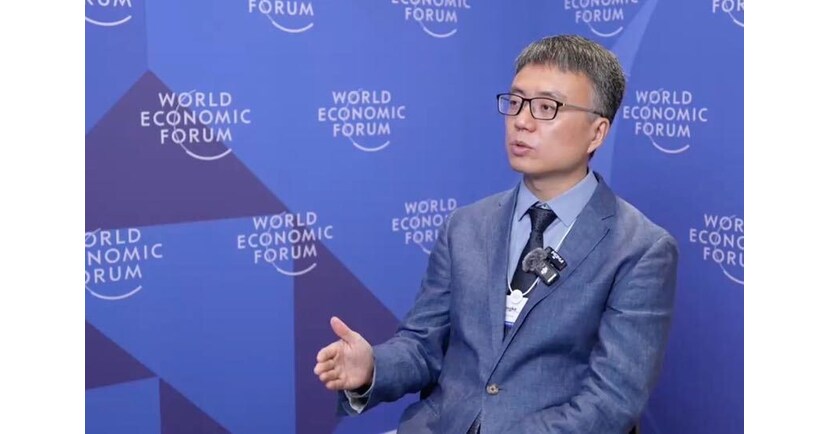
He Mingke, CEO of Ping An Good Doctor, addressed the growing significance of health technology in China's aging population at the 2026 Summer Davos. He emphasized the need for innovative healthcare solutions as the country enters its 'Longevity Era'.
Ping An Good Doctor CEO He Mingke Highlights China's Transition into the 'Longevity Era' at 2026 Summer Davos
At the 2026 Summer Davos held in Tianjin, He Mingke, the CEO of Ping An Good Doctor, delivered a compelling address on the transformative changes in China's healthcare landscape as the nation enters what he termed its 'Longevity Era'. This era is characterized by an increasing aging population and the pressing need for innovative healthcare solutions to meet the demands of this demographic shift.
The Aging Population and Its Implications
China is experiencing one of the most significant demographic transitions in its history, with projections indicating that by 2050, nearly one-third of the population will be over the age of 60. He Mingke pointed out that this shift presents both challenges and opportunities for the healthcare sector. The rising number of elderly individuals necessitates a reevaluation of healthcare services, focusing on preventive care, chronic disease management, and the integration of technology into everyday healthcare practices.
Health Technology as a Solution
During his speech, He emphasized the pivotal role of health technology in addressing the needs of an aging population. He stated, "The integration of artificial intelligence, big data, and telemedicine is crucial in creating a more efficient healthcare system that can cater to the unique needs of older adults." He highlighted how Ping An Good Doctor is at the forefront of this technological revolution, developing platforms that facilitate remote consultations, personalized health management, and real-time health monitoring.
Innovative Healthcare Models
He Mingke also discussed the importance of innovative healthcare models that prioritize accessibility and affordability. He noted that traditional healthcare systems often struggle to meet the demands of an aging population, leading to overcrowded hospitals and insufficient resources. To combat this, he advocated for a decentralized approach to healthcare, where technology enables patients to receive care in their homes, thereby alleviating pressure on medical facilities.
Government Support and Policy Framework
The CEO acknowledged the critical role of government support in fostering an environment conducive to healthcare innovation. He called for policies that encourage investment in health technology and the establishment of partnerships between the public and private sectors. He emphasized that collaboration is essential to develop comprehensive solutions that address the multifaceted challenges posed by an aging society.
Global Collaboration and Knowledge Sharing
In his address, He Mingke also highlighted the importance of global collaboration in the healthcare sector. He suggested that sharing knowledge and best practices among countries can lead to more effective solutions for aging populations worldwide. By learning from each other’s experiences, nations can better prepare for the challenges that come with longevity.
Conclusion: Embracing the Longevity Era
As China embarks on this new chapter in its demographic evolution, the insights shared by He Mingke at the Summer Davos serve as a clarion call for stakeholders in the healthcare industry. The transition into the 'Longevity Era' is not merely a challenge; it is an opportunity to innovate and improve the quality of life for millions of individuals. By embracing technology, fostering collaboration, and implementing supportive policies, China can lead the way in redefining healthcare for an aging population.