People’s Bank of China Supports Hong Kong's Yuan-Denominated Futures Trading
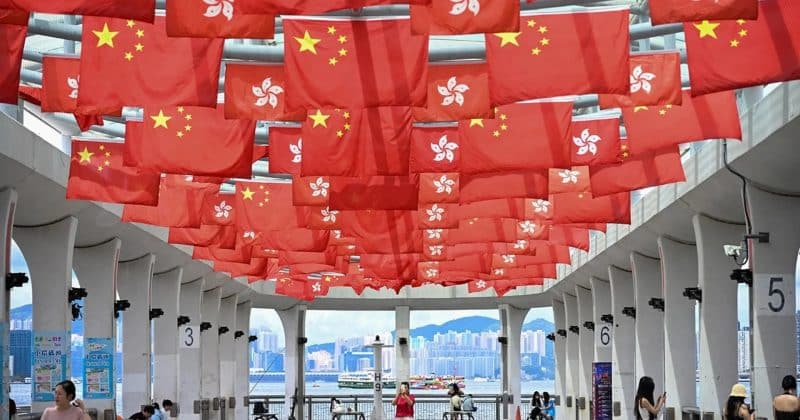
The People's Bank of China has announced its backing for yuan-denominated futures trading in Hong Kong, a significant move aimed at enhancing the city's financial market. This initiative is expected to strengthen Hong Kong's position as a global financial hub amidst increasing competition from other financial centers.
Introduction
The People's Bank of China (PBOC) has recently expressed its support for yuan-denominated futures trading in Hong Kong, a strategic initiative that aims to bolster the city's financial market. This development comes at a time when Hong Kong is striving to maintain its status as a leading global financial hub, particularly as it faces growing competition from other financial centers around the world.
Understanding Yuan-Denominated Futures Trading
Yuan-denominated futures trading allows investors to trade contracts that are settled in the Chinese currency, the renminbi (RMB). This form of trading is crucial for international investors looking to hedge against currency risks and gain exposure to the Chinese market. The PBOC's backing is expected to enhance the credibility and attractiveness of these futures contracts, drawing more participants to Hong Kong's financial markets.
The Significance of the PBOC's Support
The PBOC's endorsement of yuan-denominated futures trading is a pivotal step in promoting the internationalization of the Chinese currency. By facilitating trading in Hong Kong, the PBOC aims to increase the use of the yuan in global transactions, thus reducing reliance on the US dollar in international trade. This move aligns with China's broader strategy to elevate the yuan's status on the world stage and diversify its foreign exchange reserves.
Impact on Hong Kong's Financial Ecosystem
This initiative is expected to have a profound impact on Hong Kong's financial ecosystem. As a major financial hub, Hong Kong has long been a gateway for international investors seeking access to China's burgeoning economy. The introduction of yuan-denominated futures trading will not only attract more institutional investors but also enhance liquidity in the market, making it more appealing for both local and foreign participants.
Challenges and Opportunities
While the PBOC's support presents significant opportunities for Hong Kong, it also comes with challenges. The global financial landscape is rapidly evolving, and Hong Kong must navigate regulatory hurdles and competition from other jurisdictions that are also vying for a piece of the yuan-denominated trading pie. Additionally, geopolitical tensions and trade disputes may impact investor sentiment and the overall stability of the market.
Future Prospects
Looking ahead, the success of yuan-denominated futures trading in Hong Kong will depend on several factors, including the regulatory environment, market conditions, and the willingness of global investors to embrace the yuan. As the Chinese economy continues to grow and evolve, the demand for yuan-denominated products is likely to increase, providing Hong Kong with a unique opportunity to solidify its position as a leading financial center.
Conclusion
The People's Bank of China's backing of yuan-denominated futures trading in Hong Kong marks a significant milestone for the city and the Chinese currency. As Hong Kong seeks to enhance its financial offerings and attract international investors, this initiative could play a crucial role in shaping the future of its financial landscape. With the right strategies and regulatory frameworks in place, Hong Kong has the potential to emerge as a key player in the global financial markets, further integrating the yuan into international trade and finance.