People’s Bank of China Expands Investment Channels with Hong Kong to Promote Yuan Use
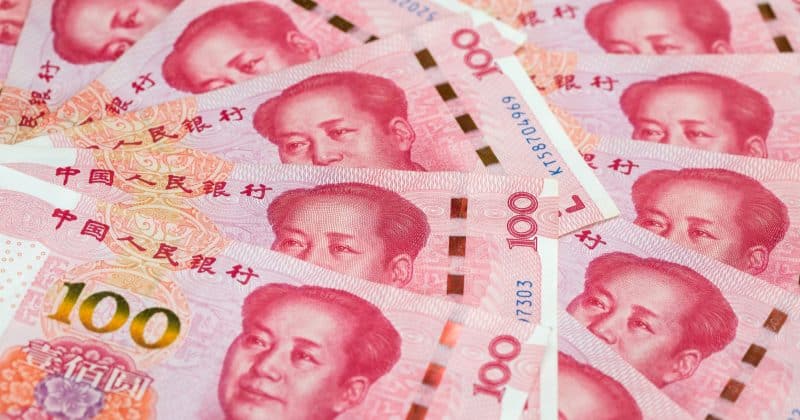
The People's Bank of China is enhancing investment channels with Hong Kong to bolster the international use of the yuan. This strategic move aims to strengthen financial ties and promote the currency's global footprint.
Introduction
The People's Bank of China (PBOC) has announced a significant expansion of investment channels with Hong Kong, a move aimed at promoting the use of the yuan in international markets. This initiative comes at a time when China is keen to enhance its financial influence globally, particularly in light of ongoing geopolitical tensions and the shifting landscape of international finance.
Strengthening Financial Ties
Hong Kong has long been a vital financial hub for China, serving as a bridge between the mainland and global markets. The PBOC's recent decision to expand investment channels is expected to deepen the financial ties between the two regions, facilitating greater cross-border capital flows and enhancing the yuan's role in international trade.
Details of the Initiative
Under the new framework, the PBOC will allow a broader range of financial institutions in Hong Kong to participate in yuan-denominated investment products. This includes mutual funds, bonds, and other financial instruments that can help attract foreign investors looking to diversify their portfolios with yuan assets. By increasing the availability of these products, the PBOC aims to make the yuan more accessible and appealing to international investors.
Implications for the Yuan
The expansion of investment channels is a strategic move to promote the yuan as a global currency, particularly as China seeks to reduce its reliance on the US dollar in international trade. The PBOC's efforts align with China's broader goal of internationalizing the yuan, which has seen steady growth in recent years but still lags behind major currencies like the dollar and euro.
Market Reactions
Financial analysts have welcomed the PBOC's initiative, viewing it as a positive step towards enhancing the yuan's liquidity and stability in global markets. The move is expected to attract more foreign investment into China, as investors seek opportunities in a growing economy. However, some experts caution that the success of this initiative will depend on the overall economic conditions in China and the global market's perception of the yuan's stability.
Challenges Ahead
Despite the potential benefits, the PBOC faces several challenges in promoting the yuan internationally. Geopolitical tensions, particularly with the United States, could hinder the yuan's acceptance in global markets. Furthermore, concerns about China's regulatory environment and transparency may deter some foreign investors from fully embracing yuan-denominated assets.
Conclusion
The People's Bank of China's expansion of investment channels with Hong Kong marks a significant step in its efforts to promote the yuan's use internationally. As the global financial landscape evolves, this initiative could play a crucial role in positioning the yuan as a more prominent player in international trade and finance. However, the PBOC must navigate various challenges to ensure the yuan's successful integration into the global economy.