People’s Bank of China Expands Investment Channels with Hong Kong to Promote Yuan Use
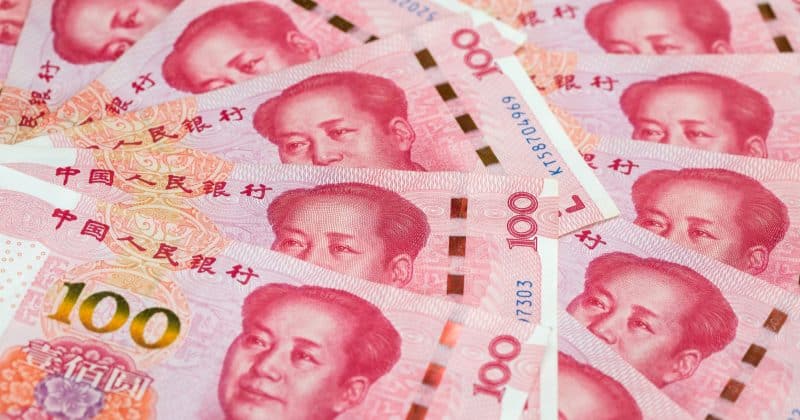
The People's Bank of China is enhancing investment channels with Hong Kong to increase the use of the yuan in international markets. This move is expected to strengthen financial ties and promote the yuan's global presence.
Introduction
In a significant move aimed at bolstering the international stature of the yuan, the People’s Bank of China (PBOC) has announced an expansion of investment channels with Hong Kong. This strategic initiative is part of China's broader efforts to promote the yuan's use in global trade and finance, particularly in the wake of increasing geopolitical tensions and the need for a more diversified currency framework.
Details of the Initiative
The PBOC's latest measures include the establishment of new investment avenues that will allow foreign investors greater access to the Chinese financial markets through Hong Kong. This initiative is expected to facilitate a more seamless flow of capital between the mainland and Hong Kong, thereby enhancing the yuan's liquidity and appeal as a reserve currency.
According to sources, the expansion includes the introduction of new financial products and services that cater specifically to international investors. This could involve the issuance of yuan-denominated bonds and the creation of investment funds that are accessible to overseas entities, further integrating Hong Kong as a financial hub in the region.
Strengthening Financial Ties
Hong Kong has long served as a bridge between China and the rest of the world, and this latest initiative underscores the city's critical role in China's financial strategy. By expanding investment channels, the PBOC aims to not only increase the yuan's usage but also to strengthen the economic ties between the mainland and Hong Kong.
This move comes at a time when many countries are seeking alternatives to the US dollar due to rising economic sanctions and trade tensions. By promoting the yuan, China is positioning itself as a viable alternative for international trade, particularly in Asia.
Impact on Global Markets
The implications of this initiative extend beyond the borders of China and Hong Kong. As the yuan becomes more integrated into global financial systems, it could lead to a shift in how international trade is conducted. Countries may increasingly consider using the yuan for trade settlements, reducing their reliance on the US dollar.
Financial analysts predict that this could lead to a gradual but significant change in the global currency landscape. As more businesses and governments adopt the yuan, it may enhance China's influence in global economic affairs.
Challenges Ahead
Despite the potential benefits, the PBOC's initiative is not without challenges. The yuan's internationalization has faced hurdles, including concerns about China's regulatory environment and capital controls. Investors often express apprehension about the transparency and stability of the Chinese financial system.
Moreover, geopolitical tensions, particularly with the United States, could pose risks to the yuan's acceptance on the global stage. As the US continues to exert its influence over global financial systems, China's efforts to promote the yuan may encounter resistance.
Conclusion
In conclusion, the People's Bank of China's expansion of investment channels with Hong Kong represents a strategic move to enhance the yuan's international presence. While the initiative holds promise for increasing the currency's usage in global trade, it must navigate a complex landscape of regulatory challenges and geopolitical tensions. As the world watches closely, the success of this initiative could redefine the dynamics of international finance and trade.