Panama Revokes Canal Port Contracts with Hong Kong-based Firm
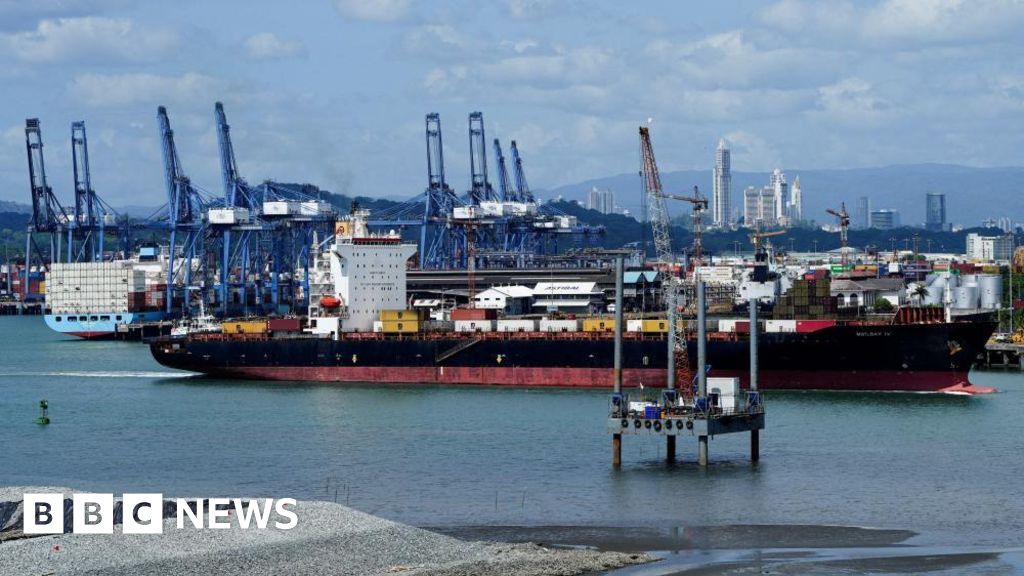
Panama has annulled contracts with a Hong Kong-based company for the operation of two ports along the Panama Canal. This decision marks a significant shift in the management of one of the world's most strategic maritime routes.
Panama's Decision to Void Contracts
In a bold move that has sent ripples through international trade circles, the Panamanian government has officially voided contracts with a Hong Kong-based firm for the operation of two crucial ports along the Panama Canal. This decision, announced by the Panamanian Minister of Maritime Affairs, reflects the government's commitment to re-evaluating its partnerships and ensuring that national interests are prioritized in the management of this vital waterway.
Background of the Contracts
The contracts, originally signed in 2016, granted the Hong Kong-based company control over the operations of the ports of Balboa and Cristobal. These ports are strategically located at either end of the Panama Canal, which serves as a critical link for maritime trade between the Atlantic and Pacific Oceans. The contracts were expected to enhance the efficiency and capacity of the ports, but concerns over management practices and the firm’s adherence to local regulations have now prompted the government to take action.
Reasons Behind the Revocation
According to officials, the decision to annul the contracts was based on a thorough review that revealed discrepancies in the operational practices of the Hong Kong firm. Minister of Maritime Affairs, Arsenio Pineda, stated that the government had received numerous complaints from local stakeholders regarding the management of the ports. Issues included inadequate investment in infrastructure, failure to meet operational benchmarks, and a lack of transparency in financial dealings.
Impact on International Trade
The Panama Canal is one of the most significant maritime routes globally, facilitating approximately 5% of the world's maritime trade. The annulment of these contracts raises concerns about the potential disruption of operations at these key ports. Experts suggest that while the immediate impact may be minimal, the long-term effects could lead to delays in shipping schedules and increased costs for international shipping companies that rely on the canal.
Reactions from Stakeholders
The decision has elicited mixed reactions from various stakeholders. Local shipping companies have welcomed the move, expressing hope that the government will now seek a more reliable partner to manage the ports. Conversely, the Hong Kong-based firm has expressed disappointment, stating that it had invested significantly in the development of the ports and was committed to improving operations. The firm has indicated that it may pursue legal avenues to contest the revocation of the contracts.
Future of Port Management in Panama
As Panama seeks to regain control over its ports, the government is expected to initiate a new bidding process to select a more suitable operator. This process will likely attract interest from various international firms eager to manage operations at one of the world’s most important maritime hubs. The government has emphasized its commitment to transparency and local engagement in the selection process, aiming to foster a partnership that aligns with Panama's economic and social goals.
Conclusion
The revocation of contracts with the Hong Kong-based firm marks a significant turning point for Panama as it reassesses its maritime partnerships. As the nation navigates this transition, the focus will be on ensuring that the Panama Canal continues to serve as a reliable and efficient conduit for global trade, while also safeguarding national interests and fostering local economic growth.