Panama Court Annuls Hong Kong Firm's Canal Port Concession
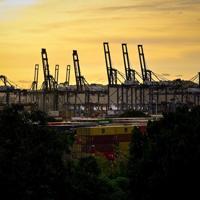
A recent ruling by the Panamanian judiciary has annulled a significant port concession awarded to a Hong Kong-based company, raising questions about foreign investment and regulatory practices in the region. This decision could have broader implications for international business operations in Panama and beyond.
Introduction
In a landmark decision that may reverberate through international business circles, a Panamanian court has annulled a port concession awarded to a Hong Kong-based firm, raising concerns about the stability of foreign investments in the Central American nation. The ruling comes amid ongoing scrutiny of the legal frameworks governing international business operations in Panama, a key player in global trade due to its strategic canal.
Background of the Concession
The concession in question was granted to the Hong Kong firm, which had plans to develop and operate a significant port facility as part of Panama's broader efforts to enhance its logistical capabilities. The project was expected to create jobs and stimulate economic growth, making it a focal point for both local and international stakeholders. However, the concession faced opposition from various sectors, including environmental groups and local communities, who raised concerns about its potential impacts.
The Court's Ruling
On [insert date], the Panamanian judiciary ruled to annul the concession, citing irregularities in the bidding process and concerns over compliance with local laws. This decision marks a critical juncture for Panama, which has been working to position itself as a favorable destination for foreign investment. The court's ruling has sparked a wave of reactions, with some praising the judiciary's commitment to upholding legal standards, while others express concern over the implications for future foreign investments.
Reactions from Stakeholders
The Hong Kong firm has expressed disappointment over the ruling, stating that it had invested significant resources into the project and had complied with all necessary regulations. Company representatives indicated that they are considering their options, including potential appeals and discussions with local authorities to address the court's concerns.
Local business leaders and trade associations have also weighed in, emphasizing the need for a stable and predictable legal environment to attract foreign investment. They warn that such rulings could deter future investments and undermine Panama's reputation as a reliable partner in international trade.
Implications for Foreign Investment
This ruling raises critical questions about the future of foreign investments in Panama. The country has long been seen as a gateway for international trade, largely due to the Panama Canal, which connects the Atlantic and Pacific Oceans. However, legal uncertainties like this could lead potential investors to reconsider their strategies and seek more stable environments for their operations.
Moreover, the ruling highlights the ongoing challenges that foreign companies face when navigating local regulations and legal frameworks. As Panama continues to grapple with issues of governance and transparency, the need for reforms to bolster investor confidence has never been more pressing.
Conclusion
The annulment of the port concession awarded to the Hong Kong firm serves as a stark reminder of the complexities involved in international business operations, especially in regions with evolving legal landscapes. As Panama seeks to maintain its status as a prime location for foreign investment, it must address these challenges head-on, ensuring that its legal framework supports rather than hinders economic growth.
As the situation develops, stakeholders will be closely monitoring the implications of this ruling, which may have far-reaching effects on Panama's economic trajectory and its relationships with international business partners.