Panama Canal Ports Concession by Hong Kong Company Declared Unconstitutional
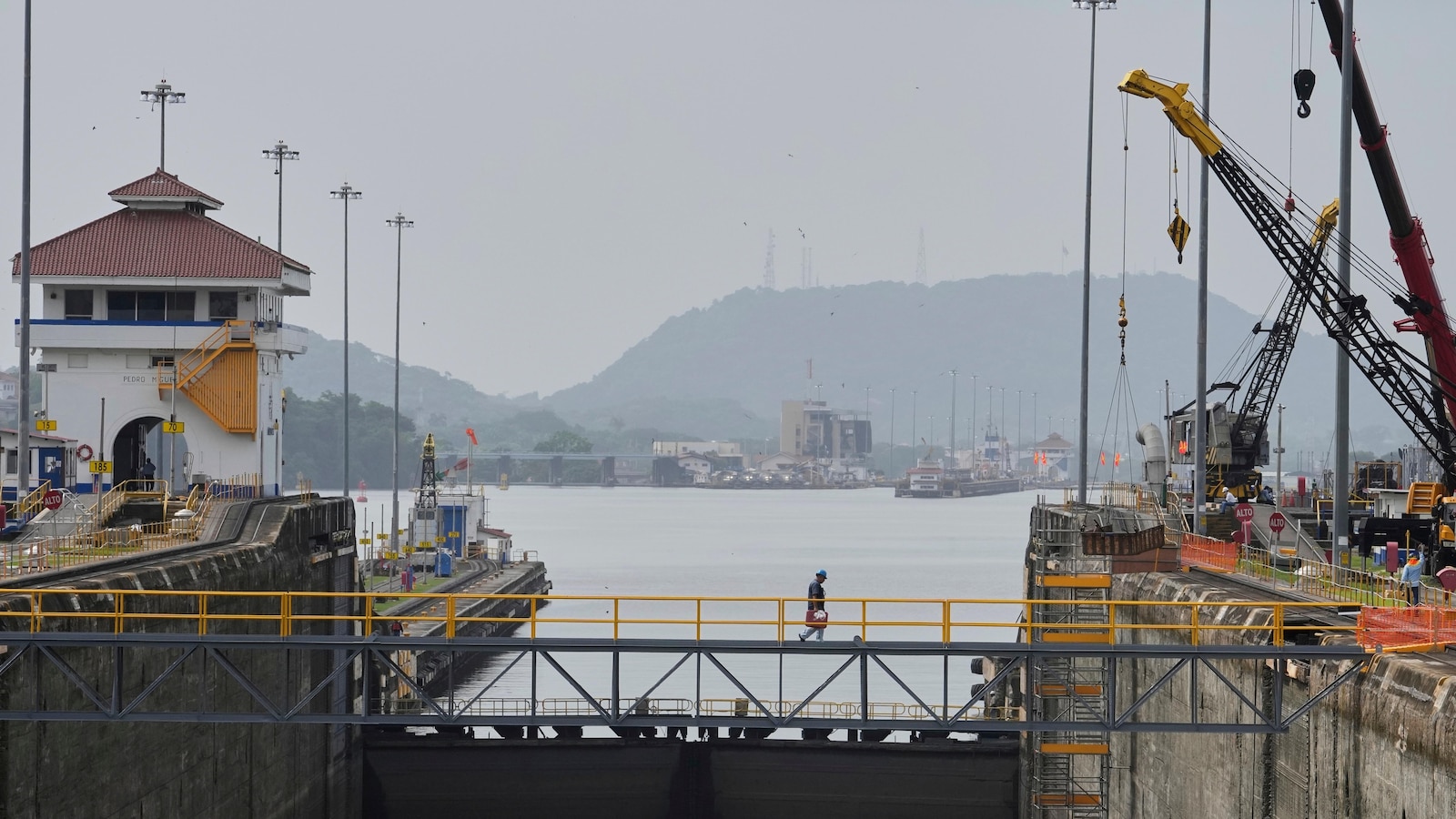
A recent ruling by Panama's Supreme Court has declared the concession granted to a Hong Kong company for operating ports in the Panama Canal as unconstitutional. This decision raises significant implications for international trade and investment in the region.
Introduction
In a landmark decision, Panama's Supreme Court has ruled that the concession awarded to a Hong Kong company for the operation of ports within the Panama Canal is unconstitutional. This ruling has sent shockwaves through the international business community, especially given the strategic importance of the Panama Canal in global trade.
Background of the Concession
In 2021, the Panamanian government granted a concession to a Hong Kong-based company, allowing it to manage and operate several key ports along the canal. The deal was anticipated to enhance the efficiency of port operations and attract more international shipping traffic. However, concerns were raised regarding the legality of the concession, particularly regarding its alignment with Panama's constitutional framework.
The Ruling
The Supreme Court's ruling came after a series of legal challenges from various stakeholders, including local businesses and political groups. The court found that the concession violated constitutional provisions that require public contracts to be transparent and subject to competitive bidding. This decision effectively nullifies the agreement and raises questions about the future of foreign investments in Panama's critical infrastructure.
Implications for International Trade
The Panama Canal is one of the most vital waterways in the world, facilitating the passage of thousands of ships annually. The ruling could have far-reaching consequences for international trade, as it may deter foreign companies from investing in Panama's port infrastructure. Experts warn that this could lead to delays in shipping and increased costs for businesses relying on the canal for transportation.
Reactions from Stakeholders
Reactions to the ruling have been mixed. Local business leaders have welcomed the decision, viewing it as a victory for transparency and fair competition. However, representatives from the Hong Kong company expressed disappointment, arguing that the concession was intended to bring much-needed investment and modernization to the canal's operations.
Political analysts suggest that the ruling may also reflect broader geopolitical tensions, particularly between the United States and China. The involvement of a Hong Kong company in such a critical infrastructure project had raised eyebrows, and the decision may be seen as a pushback against perceived foreign influence.
Future of the Panama Canal
As Panama grapples with the implications of this ruling, questions remain about the future of the canal and its operations. The government may need to reassess its approach to foreign concessions and consider new frameworks that align with constitutional requirements while still attracting international investment.
In the wake of the ruling, the Panamanian government has indicated that it will work to establish a more transparent bidding process for future concessions. This could open the door for new partnerships that align more closely with national interests and legal standards.
Conclusion
The Supreme Court's decision to declare the concession to the Hong Kong company unconstitutional marks a significant moment in Panama's legal and economic landscape. As the country navigates the complexities of international trade and investment, it will be crucial for policymakers to strike a balance between attracting foreign capital and upholding constitutional integrity.