Over 260,000 Evacuated in China as Typhoon Bavi Causes Severe Flooding
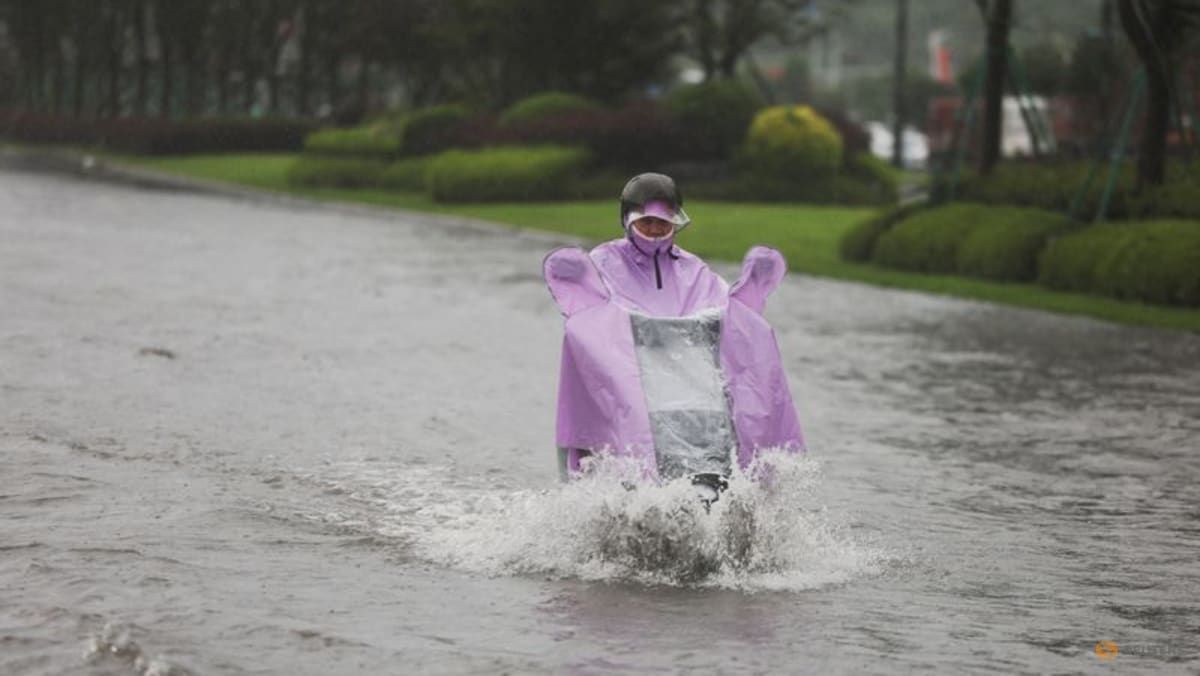
Typhoon Bavi has led to the evacuation of over 260,000 residents in several provinces of China due to severe flooding. Authorities are working tirelessly to manage the impact of the storm and provide assistance to affected communities.
Introduction
In a significant response to the impending threat posed by Typhoon Bavi, over 260,000 people have been evacuated across various provinces in China. The storm has already begun to unleash its fury, leading to severe flooding and prompting local authorities to take immediate action to safeguard lives and property.
The Impact of Typhoon Bavi
Typhoon Bavi made landfall in the early hours of the morning, bringing with it torrential rains and powerful winds. The storm has primarily affected the eastern coastal provinces, including Zhejiang and Fujian, where authorities have reported substantial rainfall accumulation. In some areas, rainfall has exceeded 200 millimeters, leading to overflowing rivers and inundated streets.
Evacuation Efforts
In light of the severe weather conditions, local governments have mobilized resources to evacuate residents from high-risk areas. Emergency shelters have been established to accommodate those displaced by the flooding, and local officials are urging residents to heed warnings and evacuate promptly. The Chinese Ministry of Emergency Management has deployed teams to assist in the evacuation and provide relief supplies to affected communities.
Government Response
The Chinese government has activated its emergency response protocols, with a focus on disaster prevention and relief efforts. The National Meteorological Center has issued red alerts, the highest warning level, for several provinces, indicating the potential for extreme weather conditions. Authorities are closely monitoring the storm's path and are prepared to implement further measures as necessary.
Community Resilience
Despite the challenges posed by Typhoon Bavi, communities are rallying together to support one another. Local volunteers have stepped up to assist in evacuation efforts, providing food, water, and other essential supplies to those in need. Social media platforms have become vital channels for sharing information and coordinating relief efforts, showcasing the resilience and solidarity of the affected populations.
Looking Ahead
As Typhoon Bavi continues to move inland, meteorologists are predicting that heavy rainfall and strong winds will persist in the coming days. Authorities are urging residents to remain vigilant and prepared for potential aftereffects, including landslides and further flooding. The government is committed to ensuring the safety and well-being of its citizens, and recovery efforts will be initiated as soon as conditions permit.
Conclusion
Typhoon Bavi serves as a stark reminder of the increasing frequency and intensity of severe weather events in the region, attributed in part to climate change. As China faces the immediate challenges posed by the storm, the focus remains on protecting lives and rebuilding communities in the aftermath. The resilience of the Chinese people, coupled with swift government action, will be crucial in navigating the challenges ahead.