Oil Prices Surge Following Iran Strikes and Hormuz Shipping Incident
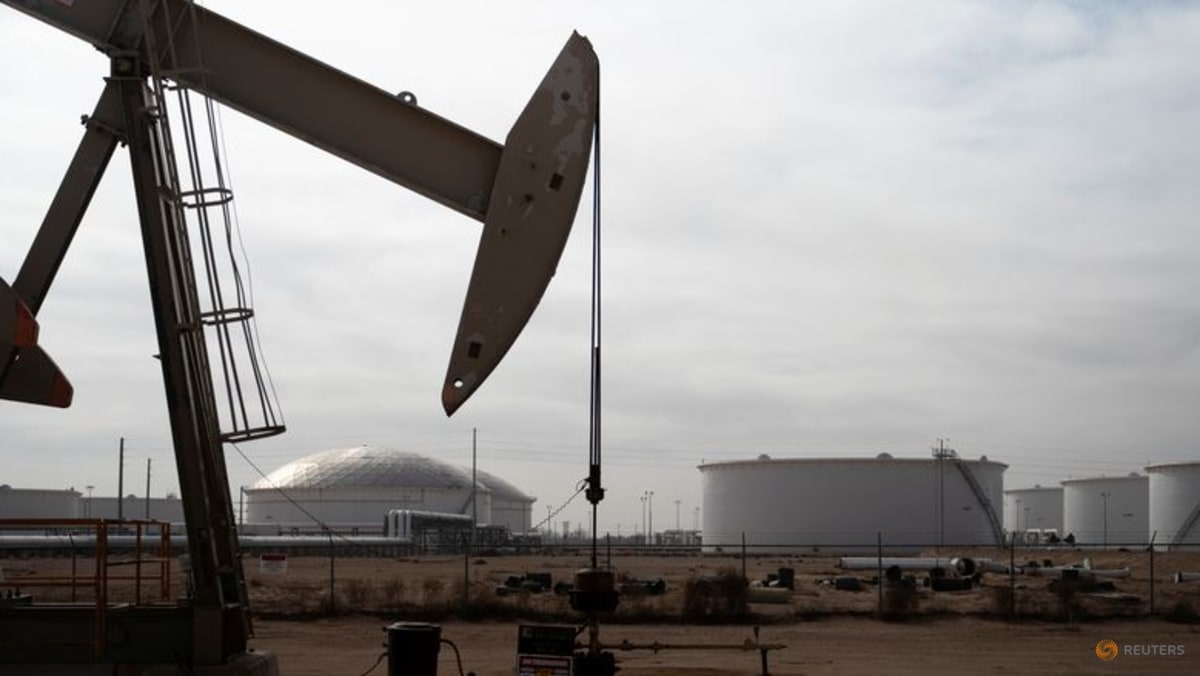
Recent military actions by Iran and incidents in the Strait of Hormuz have led to a significant spike in oil prices. Analysts warn that ongoing tensions in the region could disrupt global oil supply chains.
Oil Prices Surge Following Iran Strikes and Hormuz Shipping Incident
In a dramatic escalation of tensions in the Middle East, oil prices have surged following a series of strikes attributed to Iran and a shipping incident in the strategically vital Strait of Hormuz. As the situation unfolds, analysts are closely monitoring the implications for global oil supply and prices, which have already shown signs of volatility.
On Tuesday, oil futures jumped by over 5% as reports emerged of Iranian military actions targeting shipping vessels in the region. This incident has raised alarms among traders and investors, who are now grappling with the potential for further disruptions in one of the world's most critical maritime chokepoints. The Strait of Hormuz is responsible for the transit of approximately 20% of the world's oil supply, making any threat to shipping in this area a significant concern for global markets.
The Iranian government has claimed that their military operations are a response to perceived threats from foreign powers, particularly the United States and its allies. In a statement, Iranian officials emphasized their commitment to protecting their national interests and maintaining control over the waters surrounding their territory. This rhetoric has only heightened fears of a broader conflict that could have far-reaching consequences for global oil prices.
Following the news, Brent crude oil prices reached $96 per barrel, while West Texas Intermediate (WTI) crude also saw a substantial increase. Analysts predict that if tensions continue to escalate, prices could reach even higher levels, potentially surpassing the $100 mark. Such a rise would not only impact oil-dependent economies but could also lead to increased costs for consumers worldwide.
Market experts are particularly concerned about the ripple effects of these developments. “The situation is precarious,” said Johnathan Miller, a senior energy analyst at Global Energy Insights. “If Iran continues its aggressive stance and further incidents occur, we could see supply disruptions that would send prices soaring even higher. This is a critical moment for the oil market.”
In addition to the immediate price surge, the incident has sparked discussions among OPEC members about the need for coordinated responses to stabilize the market. Some member countries are advocating for increased production to counterbalance potential supply shortages, while others are wary of flooding the market and driving prices down too quickly.
The geopolitical landscape in the Middle East is further complicated by the ongoing tensions between Iran and the United States, particularly following the U.S. withdrawal from the Iran nuclear deal in 2018. The re-imposition of sanctions on Iran has severely impacted its economy and oil exports, leading to a volatile environment that could easily spiral out of control.
As the world watches the developments unfold, the implications for energy security and economic stability are profound. Countries heavily reliant on oil imports, particularly in Europe and Asia, are bracing for potential price hikes that could affect everything from transportation costs to consumer goods.
In conclusion, the recent Iranian strikes and the shipping incident in the Strait of Hormuz have sent shockwaves through the global oil market, prompting a surge in prices and raising concerns about future supply disruptions. With tensions showing no signs of abating, stakeholders across the globe are preparing for a potentially turbulent period ahead in the energy sector.