No Justice for Tiananmen Massacre 37 Years On: A Reflection on Human Rights in China
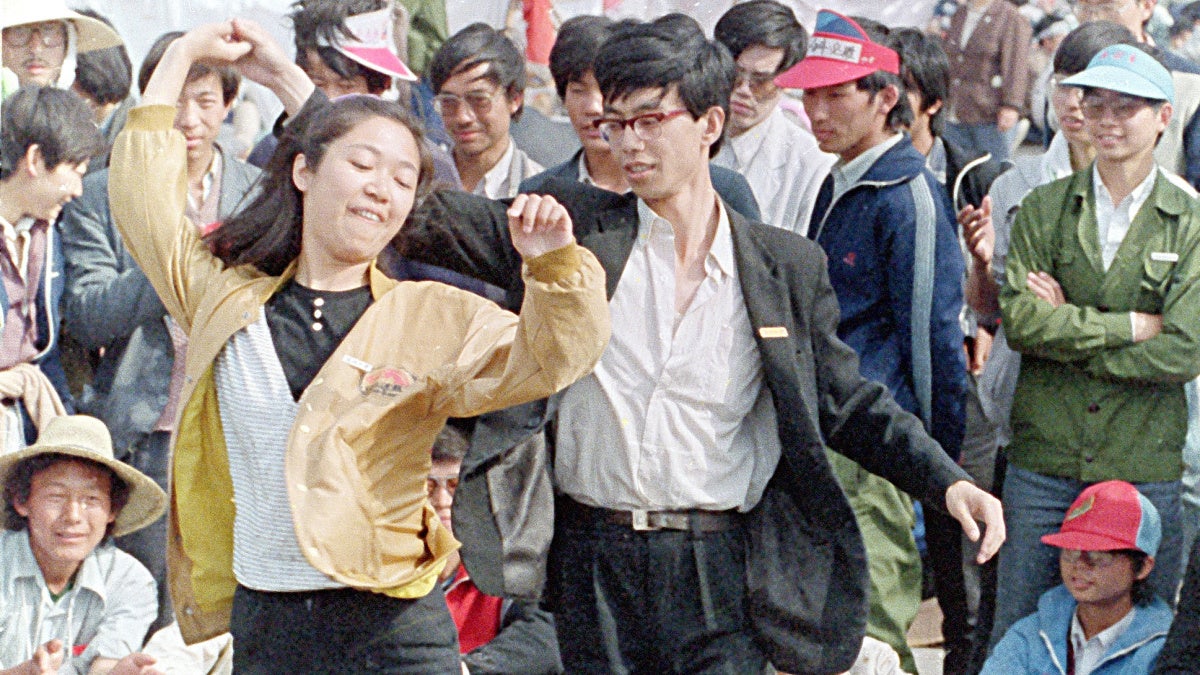
As the 37th anniversary of the Tiananmen Square Massacre approaches, calls for justice remain unheeded in China. Human Rights Watch highlights the ongoing repression and lack of accountability for the events of June 4, 1989.
Introduction
As the world marks the 37th anniversary of the Tiananmen Square Massacre, the silence surrounding the event in Mainland China continues to be deafening. Despite international calls for accountability and remembrance, the Chinese government has maintained a strict policy of censorship and repression regarding the events of June 4, 1989. Human Rights Watch (HRW) has recently issued a report underscoring the ongoing injustices faced by victims and their families, as well as the broader implications for human rights in the country.
The Tiananmen Square Massacre: A Brief Overview
The Tiananmen Square Massacre occurred in 1989 when thousands of pro-democracy demonstrators, primarily students, gathered in Beijing to call for political reform and greater freedoms. The Chinese government declared martial law and deployed troops to suppress the protests, resulting in a violent crackdown that left an unknown number of casualties—estimates range from hundreds to thousands. The event remains a sensitive topic in China, with the government employing extensive measures to erase it from public memory.
Continued Repression and Censorship
In the years following the massacre, the Chinese Communist Party (CCP) has systematically suppressed any discussion or commemoration of the event. Memorials are banned, and any public mention of the massacre is swiftly censored. Social media platforms and search engines in China are heavily monitored, with references to Tiananmen Square often blocked or removed. This culture of silence is not only a violation of free speech but also a denial of historical truth.
Human Rights Watch Report
According to HRW's recent report, the lack of justice for the victims of the Tiananmen Square Massacre is emblematic of the broader human rights crisis in China. The report highlights the ongoing persecution of dissenters, activists, and those who dare to speak out against the government. Families of the victims continue to face harassment and intimidation, with many forced into silence to avoid repercussions. The report calls for the international community to hold the Chinese government accountable for its human rights abuses and to support the victims and their families in their quest for justice.
International Response and Solidarity
While the Chinese government remains steadfast in its refusal to acknowledge the events of 1989, the international community has increasingly voiced its concerns over human rights violations in China. Various countries and human rights organizations have called for a thorough investigation into the massacre and for the Chinese government to provide reparations to victims' families. Activists around the world continue to organize vigils and protests to honor those who lost their lives in the pursuit of democracy.
The Importance of Remembering
Remembering the Tiananmen Square Massacre is crucial not only for honoring the victims but also for understanding the current state of human rights in China. The events of 1989 serve as a reminder of the lengths to which the government will go to maintain its grip on power. As the 37th anniversary approaches, it is imperative that the global community remains vigilant and continues to advocate for justice and accountability.
Conclusion
The Tiananmen Square Massacre remains a painful chapter in China's history, one that the government seeks to erase from collective memory. As calls for justice grow louder, it is essential to support the victims and their families in their fight for recognition and accountability. The struggle for human rights in China is far from over, and the legacy of Tiananmen serves as a poignant reminder of the ongoing battle for freedom and justice.