New Study Reveals Efsubaglutide Alfa's Promising Effects on Glycaemia and β-Cell Function
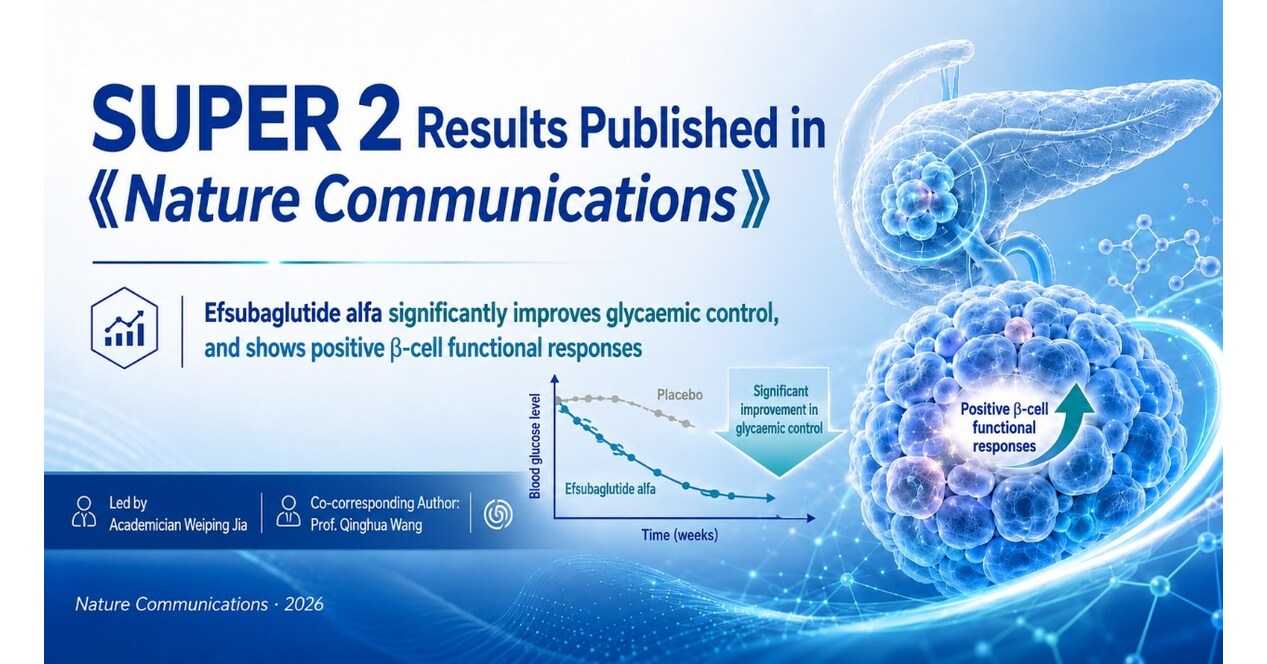
A recent publication in Nature Communications highlights the significant impact of Efsubaglutide Alfa on glycaemia control and pancreatic β-cell function. This breakthrough could pave the way for new diabetes treatments worldwide.
Introduction
In a groundbreaking study published in the esteemed journal Nature Communications, researchers have unveiled the promising effects of Efsubaglutide Alfa, a novel therapeutic agent, on glycaemia levels and pancreatic β-cell function. This research could potentially revolutionize the management of diabetes, a condition affecting millions globally.
The Study
The publication outlines a series of clinical trials conducted to assess the efficacy and safety of Efsubaglutide Alfa in patients with type 2 diabetes. The trials demonstrated that the drug significantly lowers blood glucose levels while simultaneously enhancing the function of pancreatic β-cells, which are crucial for insulin production. This dual action is particularly noteworthy, as it addresses two fundamental challenges in diabetes management: hyperglycaemia and β-cell dysfunction.
Mechanism of Action
Efsubaglutide Alfa belongs to a class of medications known as GLP-1 receptor agonists, which mimic the action of the incretin hormone GLP-1. This hormone plays a vital role in glucose metabolism by stimulating insulin secretion in response to meals and inhibiting glucagon release, which helps to lower blood sugar levels. The study’s findings suggest that Efsubaglutide Alfa not only enhances these effects but also promotes the health and longevity of β-cells, thereby potentially reversing some of the damage caused by chronic hyperglycaemia.
Clinical Implications
The implications of this research are significant. With diabetes rates soaring globally, there is an urgent need for effective treatments that not only manage symptoms but also address the underlying issues associated with the disease. Efsubaglutide Alfa could represent a new frontier in diabetes care, offering patients a more holistic approach to managing their condition.
Patient Perspectives
Patients and healthcare professionals alike are optimistic about the potential of Efsubaglutide Alfa. Many individuals living with diabetes express a desire for treatments that do more than just control blood sugar levels. They seek options that can improve their overall health and quality of life. The findings from this study may provide hope for those who have struggled with inadequate glycaemic control and the complications associated with long-term diabetes.
Future Research Directions
While the results are promising, researchers emphasize the need for further studies to fully understand the long-term effects of Efsubaglutide Alfa. Future research will focus on larger, more diverse populations to confirm efficacy and safety across different demographics. Additionally, studies will explore the drug's potential benefits in combination with other diabetes treatments, which could lead to more comprehensive management strategies.
Conclusion
As the global health community continues to grapple with the diabetes epidemic, the introduction of innovative therapies like Efsubaglutide Alfa represents a beacon of hope. The findings from the recent Nature Communications publication underscore the importance of ongoing research and development in the field of diabetes care. With further investigation, Efsubaglutide Alfa could become a cornerstone of diabetes management, improving outcomes for millions of patients worldwide.