New Hong Kong Rules Require Citizens to Surrender Passwords in Security Cases
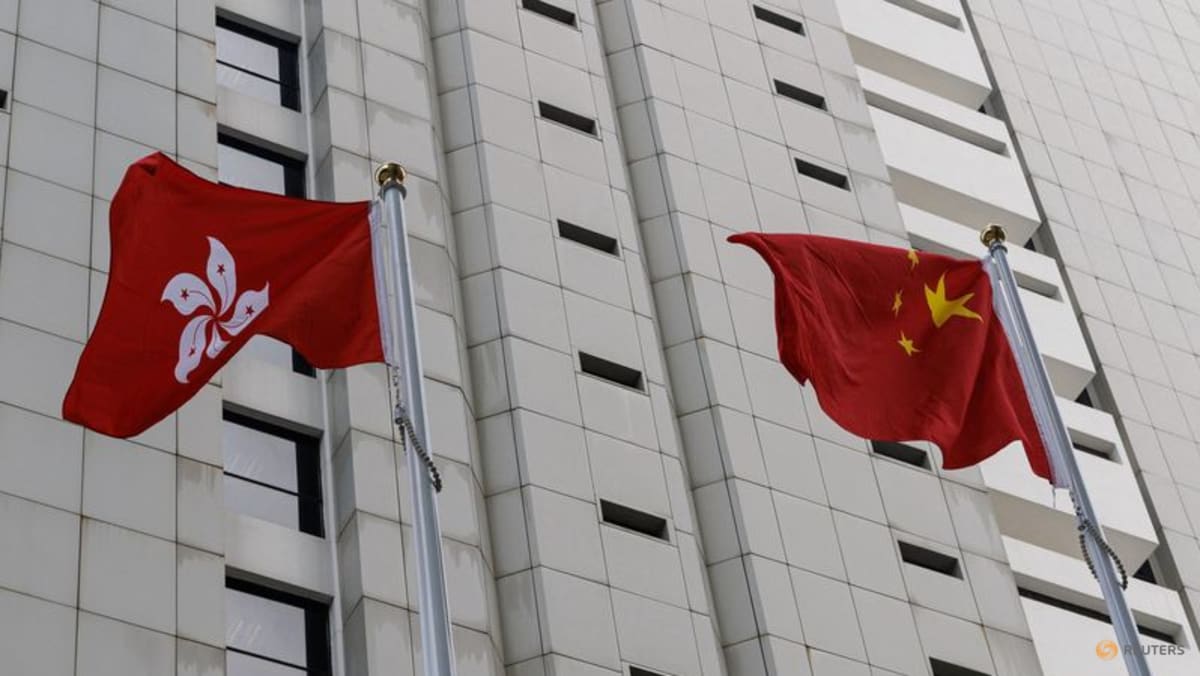
Hong Kong's new regulations compel individuals to disclose their passwords during security investigations, raising concerns over privacy and civil liberties. Critics argue that these measures could undermine the rights of citizens in the wake of increasing governmental oversight.
New Regulations in Hong Kong
In a controversial move, the Hong Kong government has implemented new regulations that require individuals to surrender their passwords during security investigations. This decision has sparked a fierce debate over privacy rights and civil liberties in the region, as citizens grapple with the implications of such measures in a city that has seen significant political unrest in recent years.
Context of the New Rules
The new rules, which are part of a broader set of security measures aimed at combating crime and terrorism, were announced by the Hong Kong Police Force. Authorities argue that the ability to access digital accounts is essential for effective law enforcement, particularly in cases involving organized crime and national security threats. However, critics contend that these regulations infringe upon personal freedoms and could lead to potential abuses of power.
Public Reaction and Concerns
The public response to the new regulations has been overwhelmingly negative, with many expressing concerns about the erosion of privacy rights. Civil liberties groups have voiced their discontent, arguing that the requirement to disclose passwords could lead to self-incrimination and discourage individuals from exercising their rights to free speech and assembly. Human rights advocates are particularly worried about the implications for dissenters and activists, who may be targeted under the guise of security enforcement.
Legal Implications
Legal experts have pointed out that the new regulations may conflict with existing laws that protect citizens from self-incrimination. The Hong Kong Bill of Rights Ordinance guarantees individuals the right to remain silent and not to provide evidence against themselves. Critics argue that the government’s push for password disclosure could set a dangerous precedent, undermining the legal protections that have historically safeguarded personal freedoms in the region.
International Perspective
The international community is closely monitoring the situation in Hong Kong, particularly as the city continues to navigate its unique political landscape. Many observers see the new password regulations as part of a broader trend of increasing authoritarianism in the region, raising alarms about the future of democracy and human rights in Hong Kong. Countries that have historically supported Hong Kong's autonomy are now questioning the implications of these new rules on the city's status as a global financial hub.
Government Response
In response to the backlash, government officials have defended the regulations, stating that they are necessary for maintaining public safety and security. They argue that the measures are in line with global standards for law enforcement and are designed to protect citizens from emerging threats. However, the government has not provided clear guidelines on how these regulations will be implemented, leaving many citizens uncertain about their rights and responsibilities.
Future Outlook
As the situation unfolds, it remains to be seen how these new regulations will impact the daily lives of Hong Kong residents. With ongoing protests and a growing sense of discontent among citizens, the government may face increasing pressure to reconsider its approach to security and privacy. The balance between safety and civil liberties will continue to be a contentious issue in Hong Kong, as citizens and advocates alike call for transparency and accountability from their government.
Conclusion
The implementation of password surrender regulations in Hong Kong marks a significant shift in the relationship between the state and its citizens. As the debate intensifies, the implications for privacy, civil liberties, and the future of governance in Hong Kong will remain at the forefront of public discourse.