New Accountability System for Hong Kong Civil Servants Sparks Debate
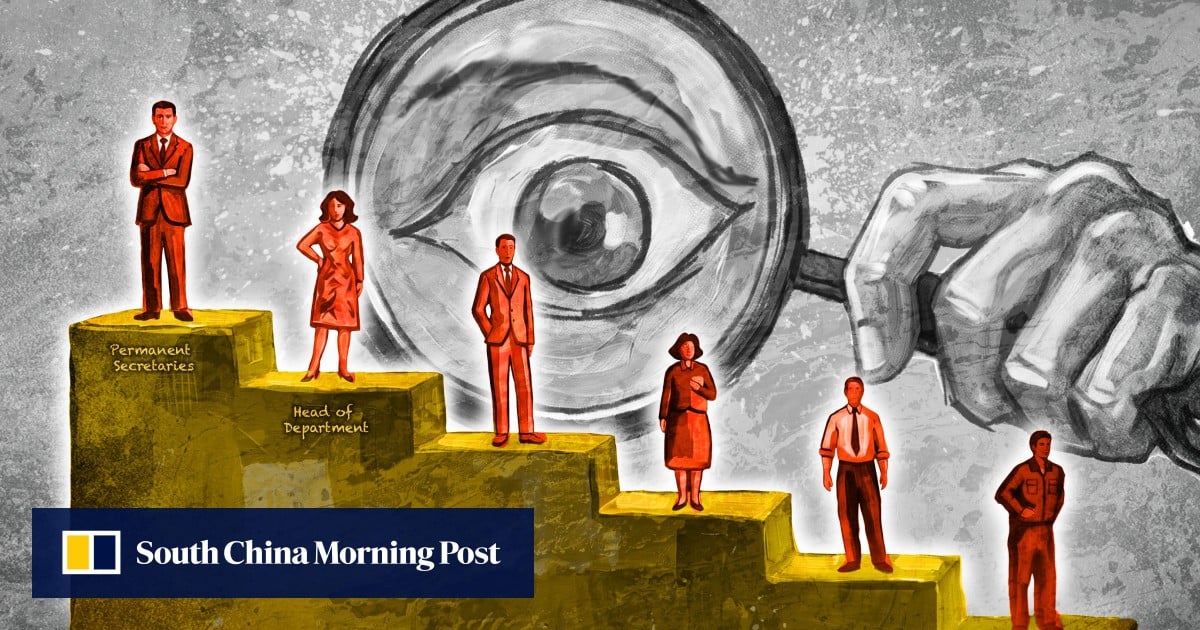
A proposed accountability system for civil servants in Hong Kong raises questions about its effectiveness and implications for governance. Critics argue that the system may not adequately address past blunders while supporters believe it could enhance public trust.
Introduction
In a significant shift in governance, the Hong Kong government is considering a new accountability system for civil servants, aimed at addressing past administrative blunders. This proposal has ignited a heated debate among political analysts, civil service experts, and the public, with opinions divided on its potential effectiveness and implications for governance.
The Proposed System
The new accountability framework is designed to hold civil servants more accountable for their actions, particularly in light of recent controversies that have marred the reputation of the public service. Under the proposed system, civil servants would face repercussions for significant missteps, with the aim of fostering a culture of responsibility and transparency within the government.
Past Blunders and Public Sentiment
Recent years have seen several high-profile blunders by Hong Kong's civil service, including the handling of the COVID-19 pandemic and various public policy failures. These incidents have led to widespread public dissatisfaction and calls for greater accountability among civil servants. Critics argue that the proposed system may not adequately address these past failures, raising concerns about whether it will truly lead to meaningful change.
Supporters' Views
Proponents of the new accountability system argue that it is a necessary step towards restoring public trust in the government. They contend that by establishing clear consequences for civil servants' actions, the government can foster a more responsible and responsive public service. Supporters also believe that this system could incentivize civil servants to prioritize the needs of the community, ultimately leading to better governance.
Critics' Concerns
Despite the potential benefits, critics warn that the new system may lead to a culture of fear among civil servants, stifling innovation and risk-taking. They argue that the focus on accountability could result in a more cautious approach to decision-making, hindering the ability of civil servants to respond effectively to complex challenges. Furthermore, some analysts express skepticism about the government's commitment to implementing the system fairly, citing concerns about political interference and bias.
International Comparisons
Looking at international examples, several countries have implemented similar accountability measures for civil servants, with varying degrees of success. In some cases, such as in the United Kingdom, accountability frameworks have led to improved public trust and more effective governance. However, in other instances, overly punitive measures have resulted in a culture of risk aversion, ultimately hindering public service effectiveness.
The Path Forward
As the Hong Kong government moves forward with discussions on the proposed accountability system, it faces the challenge of balancing the need for accountability with the necessity of fostering a supportive environment for civil servants. Engaging with stakeholders, including civil servants, the public, and political analysts, will be crucial in shaping a system that is both fair and effective.
Conclusion
The debate surrounding the new accountability system for Hong Kong civil servants underscores the complexities of governance in a rapidly changing political landscape. As the government seeks to implement reforms, the outcome will likely have lasting implications for public trust, civil service effectiveness, and the overall health of Hong Kong's democracy.