Navi Mumbai Airport Welcomes Its First International Freighter
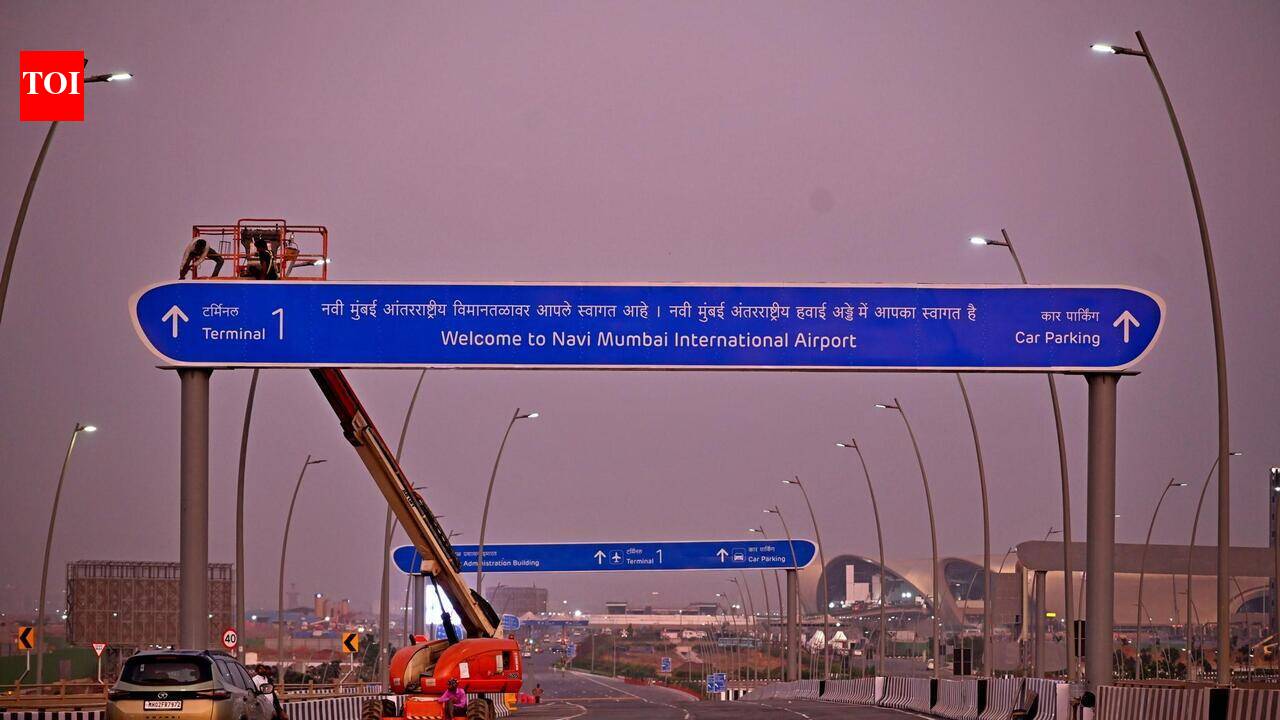
Navi Mumbai Airport has marked a significant milestone by welcoming its first international freighter, enhancing its status as a key logistics hub. This development is expected to boost trade and commerce in the region, paving the way for increased economic growth.
Navi Mumbai Airport Welcomes Its First International Freighter
Navi Mumbai, India – In a landmark development for the region's logistics and trade capabilities, Navi Mumbai Airport has officially welcomed its first international freighter. This significant milestone, reported by The Times of India, not only enhances the airport's operational capacity but also positions it as a vital player in the global supply chain.
The inaugural flight, operated by a leading international cargo airline, arrived from Hong Kong, carrying a diverse range of goods that included electronics, textiles, and pharmaceuticals. The successful landing of this freighter marks the beginning of a new chapter for the airport, which has been striving to expand its international operations since its inception.
Strategic Importance of Navi Mumbai Airport
Navi Mumbai Airport, officially known as the Navi Mumbai International Airport (NMIA), is strategically located to serve the bustling Mumbai metropolitan area. The airport is designed to handle a significant volume of air traffic, with plans for multiple terminals and expansive cargo facilities. Its first international freighter is a testament to the airport's readiness to support global trade and logistics.
Officials from the airport authority expressed optimism about the future of international freight operations at NMIA. "The arrival of the first international freighter is a significant achievement for us. It not only enhances our capabilities but also opens up new opportunities for businesses in the region to connect with global markets," said a spokesperson for the airport.
Boosting Local Economy
The introduction of international freighter services is expected to have a positive ripple effect on the local economy. With enhanced connectivity, businesses in Navi Mumbai and surrounding areas will have greater access to international markets, potentially increasing exports and attracting foreign investment.
Local manufacturers and exporters have expressed enthusiasm about the new service. Many are looking forward to reduced shipping times and costs, which could significantly improve their competitiveness in the global marketplace. "This is a game-changer for us. Faster access to international markets means we can better serve our customers and grow our business," said a local textile exporter.
Environmental Considerations
As the airport embarks on this new journey, environmental considerations remain a priority. The airport authority has committed to implementing sustainable practices in its operations, including the use of eco-friendly technologies and infrastructure. This commitment is crucial, especially as air freight is often scrutinized for its environmental impact.
"We are dedicated to ensuring that our operations are sustainable. We will be working closely with our partners to minimize our carbon footprint while maximizing efficiency," the spokesperson added.
Future Prospects
The arrival of the first international freighter is just the beginning for Navi Mumbai Airport. Plans are already in place to expand its cargo operations further, with additional international routes expected to be announced in the coming months. The airport aims to become a key logistics hub not just for India but for the entire Asia-Pacific region.
As global trade continues to evolve, the significance of efficient logistics and transportation networks cannot be overstated. Navi Mumbai Airport's new international freighter service is poised to play a crucial role in facilitating trade and commerce, ultimately contributing to the economic growth of the region.
In conclusion, the successful arrival of the first international freighter at Navi Mumbai Airport marks a pivotal moment in its journey towards becoming a major player in the global logistics landscape. With the potential to transform local businesses and enhance international trade, this development is being closely watched by industry stakeholders and economic analysts alike.